AI Revolution in Customer Engagement and UX
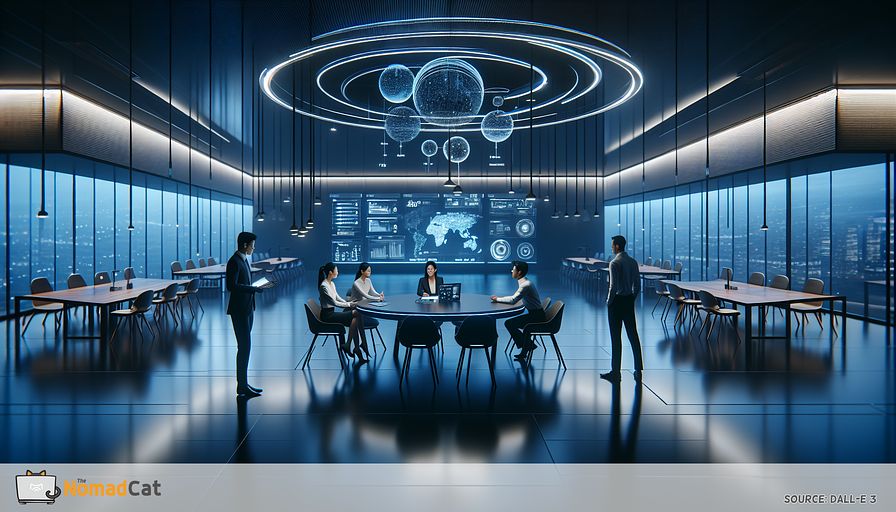
AI and ML are transforming technology and customer engagement, enabling intelligent systems that mimic human-like intelligence. They are widely used in chatbots and conversational AI, providing personalized user experiences and automating business processes. AI-powered automation streamlines tasks, reduces errors, and boosts productivity. Personalized user experiences are enhanced through data-driven insights, tailoring interactions to individual preferences. Technology leaders must stay current with AI and ML trends to drive innovation and competitiveness. Embracing a culture of continuous learning and collaboration is crucial for businesses to leverage the potential of AI and ML effectively.
The Role of AI and Machine Learning in Today's Technological Landscape
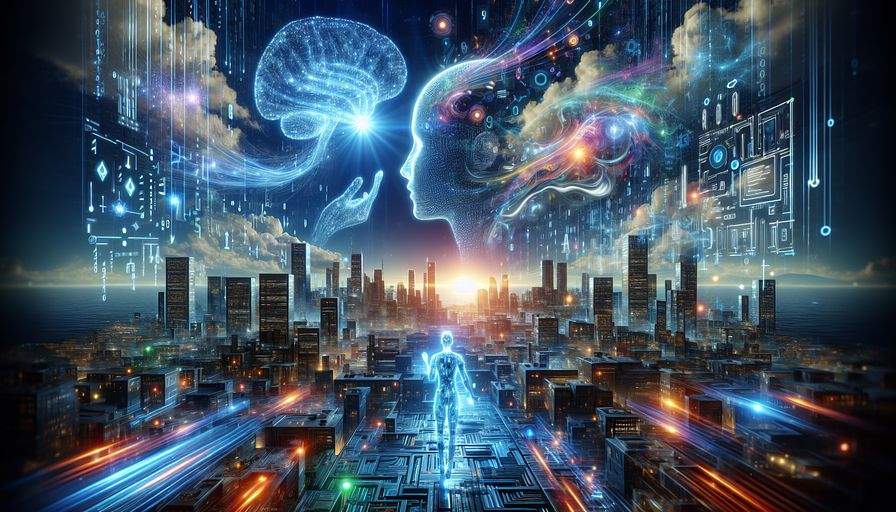
Artificial Intelligence (AI) and Machine Learning (ML) have become integral parts of modern technology, enabling the creation of intelligent systems that can learn from data, adapt to new inputs, and make informed decisions. These cutting-edge technologies have found their way into various aspects of our lives, from autonomous vehicles and smart homes to complex industrial systems and customer support platforms. By empowering machines to mimic human-like intelligence, AI and ML are driving innovation and transforming the way we interact with technology.
Chatbots, Conversational AI, and Customer Engagement
One of the most prominent applications of AI and ML is in the development of chatbots and conversational AI systems. These solutions facilitate natural language interactions between humans and machines, providing personalized user experiences and enhancing customer engagement. Chatbots are increasingly being integrated into websites, mobile apps, and social media platforms, enabling businesses to offer instant support, answer queries, and process transactions around the clock. Conversational AI systems are also being used to automate various business processes, from lead qualification and appointment scheduling to customer service and technical support, resulting in significant cost savings and improved efficiency.
AI-Powered Automation: Streamlining Business Processes
By leveraging AI and ML, businesses can automate repetitive tasks, reduce manual intervention, and minimize human errors. AI-powered automation not only increases productivity but also enables organizations to allocate resources more effectively. In a technology or engineering context, Directors of Technologies, Directors of Engineering, and Chief Technology Officers (CTOs) must consider the potential benefits of AI-driven automation when designing and implementing systems, as well as evaluating the associated risks and ethical implications. It is crucial to strike a balance between operational efficiency and human oversight to ensure that AI-powered automation aligns with the organization's strategic goals and values.
Personalized User Experience: Tailoring Interactions through AI and ML
In the pursuit of competitive advantage, businesses must cater to the unique needs and preferences of their customers. AI and ML enable organizations to capture and analyze vast amounts of data, providing insights into user behavior, preferences, and context. This data-driven understanding allows businesses to tailor their interactions with customers, delivering personalized user experiences that foster loyalty and drive engagement. By integrating AI and ML into customer support platforms, chatbots, and conversational AI systems, businesses can create dynamic, adaptive, and contextually relevant experiences that cater to individual user needs and expectations. As technology leaders, including CTOs, Directors of Technologies, and Directors of Engineering, it is essential to prioritize personalization and user experience in AI and ML initiatives to maximize customer satisfaction and business impact.
Navigating the Future of AI and Machine Learning in Technology and Engineering
As AI and ML continue to evolve, technology leaders must stay abreast of emerging trends, technologies, and best practices to ensure their organizations remain competitive and innovative. By fostering a culture of continuous learning, collaboration, and experimentation, businesses can capitalize on the potential of AI and ML, driving growth, improving efficiency, and transforming the way they engage with customers and users. As a content writing specialist, my role is to help you, the technology leaders, tell your AI and ML stories in a way that connects with your audience, resonates with their needs, and showcases your expertise in this exciting and rapidly changing field.