How to leave your tech job without a digital mess
Abstract:
The article provides a comprehensive guide for tech professionals on how to leave a job while minimizing digital mess, safeguarding sensitive information, and ensuring their contributions are properly recognized. It outlines practical steps and checklists for identifying and cleaning up digital traces that may be scattered across code repositories, chat platforms, wikis, and cloud drives—highlighting how even casual conversations or overlooked folders can harbor confidential data. The guide stresses the importance of securing appropriate credit for your work through clear documentation and contributor records, and details processes for transferring ownership of digital assets with sufficient context to help successors avoid confusion. It emphasizes thorough reviews and revocation of system access, unlinking personal credentials, and archiving or forwarding key communications to maintain continuity. Unique to the article are real-world examples, like finding sensitive info in innocuous chat threads or backup files, and a personal anecdote from the author’s experience leading teams in Berlin and Beijing, underscoring the value of open communication and clear notes for smoother onboarding. The piece encourages leaving only essential, well-documented digital assets behind and offers actionable templates and checklists for digital audits and asset transfers, recommending feedback from colleagues to keep handover materials current. Ultimately, the article frames a careful, organized exit as a way to protect one’s professional legacy and make transitions easier for everyone involved.

No one likes leaving digital messes behind when moving on from a tech job. Still, I know how easy it is for important files, chats, and passwords to hide in unexpected places across different platforms. With so much going on, I might miss details or accidentally leave risky information behind. This guide is how I tidy up my digital footprint, exit smoothly, and make sure my work doesn’t just vanish into the ether.
I’ve found practical ways to hunt down digital traces, spot sensitive stuff, and make sure my contributions are noticed. From handing off accounts and updating permissions to archiving chats and preventing future headaches, each section gives straightforward tips and checklists. For me, it’s all about keeping things simple, safe, and stress-free—for myself and for my team.
Whether you’re moving on or just like things tidy, these ideas and checklists will help you leave things better than you found them. No need for heroics or drama. Here’s how I make my exit plan solid and smooth.
Quick Roadmap: My Digital Exit Steps
- Map your digital footprint (find all your traces)
- Secure attribution (make sure you get credit)
- Transfer ownership (hand over the keys, not just the login)
- Review permissions (revoke access everywhere)
- Clean up communications (archive, clarify, and update)
- Audit for risks (double-check for anything sensitive)
- Leave a positive legacy (make it easy for the next person)
- Craft your departure communications (say goodbye the right way)
- Leverage references for future opportunities
Mapping your digital footprint
Finding your digital traces
Think of your digital footprint like breadcrumbs in a forest—easy to drop, but tricky to find later. In tech jobs, my trail goes way beyond my inbox or main project files. Files and conversations get scattered in code repos, chat tools, wikis, and cloud drives—sometimes even in places I forgot about. Sensitive info can hide in old folders or chat threads. Once I realize how many different tools I’ve used, it becomes easier to spot potential hiding places.
Take code repositories. They often hold onto secrets—like passwords or API keys—in branches or old commits people forget about. Reports show it’s common for sensitive data to stay in both public and private repos for years. But risk isn’t just in code; internal chat platforms deserve attention too.
Chats in tools like Slack or Teams might seem casual, but it’s normal for team members to share passwords, links, or even sensitive business ideas there. Sometimes I’ve seen people share private details quickly just to get things done. That means a chat from months ago can unexpectedly hold risky info.
Documentation platforms and internal wikis can also get overlooked. They’re often loaded with access instructions or sensitive procedures, mixed in with general notes. Some spots I always double-check:
- Old onboarding guides
- Project handover docs
- Internal process notes
Spotting personal notes mixed into company files can be tricky—next comes finding those hidden details.
Identifying hidden sensitive content
Sensitive data isn’t always obvious. It can be hiding in a plain-looking folder or buried in the comments section of a long-forgotten commit. Doing a careful digital sweep helps make sure I don’t leave anything risky behind. Sometimes a folder called “archive” holds client info from old work. Even personal notes, like quick reminders in a README or backup files in the company drive, can end up stored by mistake.
These files can confuse my old team or cause privacy problems down the line. It’s easy for a personal item to blend in with work stuff.
I use a quick checklist to make sure nothing slips through:
- Go through all code repositories and branches
- Search chat histories for private data
- Audit documentation sites and wikis
- Check cloud drives for my own files or confidential stuff
Once I find everything, it’s time to make sure my work is clearly credited.
Attribution and ownership
Securing proper credit
Losing credit for my work can be frustrating, especially if my project suddenly lists someone else as the lead. Collaboration blurs lines, and after someone leaves it’s easy for credit to slip away. It isn’t just about recognition; it can also affect my professional standing and sometimes even legal matters.
Clear records help. I’ve found contributor lists and changelogs useful in keeping things transparent. Best practices recommend documenting contributions clearly so everyone knows who did what, which also helps protect intellectual property rights.
If my company doesn’t already have rules for this stuff, here are some practical ideas:
1. Add a CONTRIBUTORS file to projects, listing who did what
2. Keep changelogs up to date with who made major changes
3. Use the README to highlight big contributions
4. Annotate wikis or docs with notes on who contributed
These steps, supported by tools like GitHub and Atlassian, keep my work visible even if formal systems are missing.
Employment and contributor agreements ideally spell out how credit is handled when someone leaves. If not, updating docs and clarifying my contributions before exiting can save headaches. It’s a key way to protect my legacy and make sure future teams see my input.
Next, I want to transfer ownership properly.
Transferring ownership without losing context
Handing over assets isn’t just giving someone my login—it’s about making sure the next person gets both access and background. Without context, my replacement ends up guessing what happened and why.
I learned this the hard way in Berlin. Once, I left a project without a proper handover note, and the new lead spent weeks untangling decisions I could have explained in five minutes. Since then, I always use a simple process:
- Update permissions and transfer ownership of accounts, repos, and docs
- Document recent changes or open issues in an easy-to-read way
- Include links to resources, like wikis or archived chats
- Add a short summary of why certain decisions were made
- List “watch out” points for tricky parts of the project
Checklists from industry sources make sure I don’t miss steps or lose important info.
Getting a formal sign-off, like a written acknowledgment, closes the process and avoids problems with lost or dangling accounts. It protects me and my company, confirming everyone knows what’s handed over.
Now, I look at how to handle permissions and access for a secure exit.
Managing access and permissions
Reviewing and revoking access
Access reviews aren’t just a formality. They stop old accounts from causing disasters like data leaks or unauthorized changes. Research shows ex-employees with lingering access are at the root of real security problems.
A proper review checks everything—system logins, cloud apps, SaaS accounts, integrations. Following common frameworks helps make sure I don’t skip any access points. This means not just the obvious stuff but also shared folders and project boards.
I move fast, especially if I have admin rights. Turning off privileged accounts quickly reduces risks. Delaying this step has caused real world issues, including large data leaks. Also, I make sure to review personal accounts tied to company logins.
Here’s a fact: I once forgot to revoke access to a shared Google Drive, and a former colleague accidentally deleted key files months after leaving. That was a mess to clean up, and I don’t want to repeat it.
Protecting personal accounts and credentials
Sometimes my own email or authentication app gets linked to a work account for quick setup. Before I leave, it’s smart to unlink or update these to avoid future confusion or privacy hassles. Multi-factor authentication often gets missed—so I double check whether my phone number or device is a backup for logins, and update or move them to someone else as needed before my account shuts down.
I back up any personal data I need, then delete or transfer work-related content to the company. This step, it keeps my info private and follows the company policy. Once that’s sorted, I shift to cleaning up my digital communications.
Cleaning up communications
Archiving and clarifying digital threads
Chat and email histories hold more than updates—they also capture private conversations or unfinished ideas. Going through these can stop confusion or trouble later. For example, an old Slack message with muddled instructions can stump my replacement. Experts recommend archiving or clarifying anything that might cause confusion. Some industries have rules about how long to keep emails or chats, and deleting stuff too soon can create problems.
I make sure to reassign or forward important threads before leaving. That way, conversations keep moving and things don’t get lost. Common messages to transfer:
- Project handover notes
- Messages with clients
- Approvals and decisions that are ongoing
When I’ve handled the threads, I update my status and profiles.
Updating status messages and profiles
Leaving behind old info on profiles or statuses can confuse people. It signals I’m still around when I’m not. A quick status update or auto-reply helps direct folks to my replacement. Auto-replies work well too—something simple like, “This account is no longer monitored. For help, contact [name/contact].”
This saves time and keeps things professional for both my old team and outside contacts. Now, I move on to reducing any leftover digital risks.
Crafting effective departure communications
Leaving a job isn’t just about files and logins—it’s also about people. I always take a moment to write a thoughtful farewell email or message. It’s not only polite, but it helps preserve goodwill and keeps doors open for the future.
Here’s a simple farewell email template I use:
Subject: Thank You and Farewell
Hi team,
I wanted to let you know that I’ll be moving on from [Company] as of [date]. Working with you all has been a highlight for me—thank you for the support, the laughs, and the challenges.
If you need anything from me before I go, just ask. For ongoing questions, [Replacement’s Name] will be your best contact.
I hope our paths cross again. You can always reach me at [personal email].
Merci et à bientôt,
[Your Name]
I try to keep it warm, brief, and positive. If I’ve worked closely with someone, I send a personal note too. It’s a small thing, but it makes a big difference.
Minimizing digital liability
Auditing for digital risks
A digital audit means reviewing my emails, chats, shared files, and docs to check for anything risky or unclear. I focus on places where private details might have sneaked in—like random Slack messages or forgotten cloud folders. I use a checklist to stay thorough:
- Review all platforms for sensitive info
- Flag anything that looks risky or out of place
- Double-check folders labeled “archive” or “backup”
- Look for trade secrets or company strategies in casual chats
A comment meant as a joke or an offhand timeline can become a bigger issue if found later. I make a basic record of my review in case questions pop up after I leave.
If I spot something sensitive, I act quickly:
1. Delete or fix sensitive messages/files
2. Transfer important docs to the right owner
3. Flag anything I’m unsure about with my manager or HR
I keep a quick record of what I looked at and what I did. This extra step is helpful if anyone asks about my exit.
Leaving a familiar team can feel both exciting and unsettling. I’ve felt the mix of relief and worry—especially when stepping into the unknown after years in a big city like Berlin. Sometimes, I’m proud of what I’ve built; other times, I worry I’ve left a mess behind. That’s why I double-check everything, even if it means staying late on my last day.
Leaving a positive digital legacy
Making handover notes clear
Clear handover notes make things easier for the next person. By leaving updated READMEs, pinning key messages, or adding summary notes, I help newcomers see what’s most important and why. For instance, adding an “assumptions” section in a README or highlighting recent changes in a pinned chat message can save a lot of time. Organizations from Atlassian to PMI say these simple steps make onboarding a lot smoother.
Breadcrumbs and FAQs for easy onboarding
Leaving breadcrumbs—like FAQ links, key documents, or a shortlist of critical resources—helps new team members get up to speed quickly. Guidelines suggest including:
- Lists of favorite resources or best practices
- Links to important docs and onboarding guides
- Contact info for experts
I always encourage feedback on my guides, even right before I leave, to help fill gaps and keep things clear for the next folks.
Feedback and lasting knowledge
Getting feedback before I step out helps keep docs real and current. From my experience leading teams in Berlin and Beijing, adding notes and keeping communication open meant smoother onboarding and fewer dropped balls. Studies show knowledge sticks best when the process goes both ways, even at the last minute.
Keeping your legacy minimal
Leaving behind just the essentials and clearing out outdated or extra files protects my reputation and keeps things simple. It also means my old stuff won’t pop up in the wrong hands later. Less is often more when shaping my professional trail.
Doing regular audits—before and after I leave—keeps things tidy and makes future departures smoother. Simple checklists and templates from recognized groups can save me time. Keeping my digital world orderly means whoever comes next isn’t starting from scratch.
Keeping things tidy also helps me switch off and focus on my garden or carpentry projects in Lisbon, instead of worrying about old files. There’s a quiet satisfaction in knowing I’ve made life easier for those who follow—no drama, just a clean slate.
Leveraging references for future opportunities
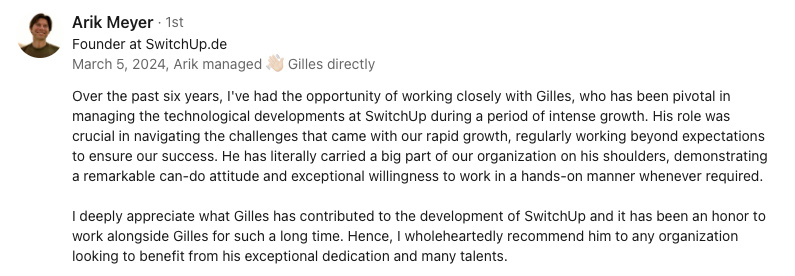
I always try to leave on good terms and ask for a reference before I go. Sometimes I’ll say, “Would you be comfortable acting as a reference for me in the future?” If I’ve worked closely with someone, I ask for a LinkedIn recommendation while the details are still fresh. It’s easier to get a strong reference when memories are recent and positive.
I also offer to be a reference for others. It’s a small way to keep the network strong and the goodwill flowing.
Practical offboarding checklists and templates
Digital exit audit checklist
A digital exit checklist is my safety net as I leave a tech job. It covers asset lists, access checks, data backup, documentation, and sign-off steps. A checklist makes sure nothing falls through the cracks and lines up with widely-accepted advice.
A good checklist includes:
- Listing all digital assets (code, drives, chats, docs)
- Reviewing and shutting down all access
- Backing up personal data and deleting or moving company files
- Handing over or updating documents and process notes
- Getting confirmation from IT or HR when done
I tailor a checklist to the tools I use most—GitHub, Google Drive, Slack, etc. Using templates for asset transfers also saves time and prevents mistakes. Having a ready-made form for handing over complicated projects really smooths things out.
Digital asset transfer notes and templates
Asset transfer notes are like a roadmap for whoever comes next. Templates usually have the asset list, new owners, instructions, and any open issues or follow-up contacts. Structured notes make it clear what’s moving where, and help avoid confusion.
A well-organized transfer should include:
1. Detailed list of assets being handed off
2. Name of the new owner/contact for each asset
3. Simple access or login instructions
4. Notes on any unresolved matters
5. Links to documentation and follow-up contacts
Having people sign off on transfers adds certainty and closes out my responsibility.
I still remember the mix of pride and nerves packing up my desk in Beijing, hoping I’d left things clear for the next person. Moving on from a tech job doesn’t have to be messy for those who follow. Mapping my digital footprint, getting ownership clear, fixing permissions, and organizing communication set others up for success. These steps protect both my reputation and privacy, while making life easier for my old team and my successor. A tidy, transparent exit goes a long way.
You might be interested by these articles:


Turning a tech job exit into a smooth transition with systems thinking

Leaving tech smoothly how to plan exits that work for everyone

Leaving your tech job in Europe without losing your mind or your perks

How to leave your tech job without burning out or damaging your reputation

How to leave a tech job on good terms and shape your legacy

How I built an indie work life that fits real life

Elevating C++ Skills for Tech Leadership