credit cards vs lines of credit for indie tech pros made simple
Abstract:
The article provides practical guidance for indie tech professionals on managing business finances, focusing on the distinct roles of credit cards and lines of credit (LOCs) in addressing the irregular cash flow and unpredictable expenses common in freelance tech work. It explains that credit cards are best for small, short-term expenses like recurring software subscriptions—especially when paid off quickly—while lines of credit are more suitable for larger, one-off needs such as product launches or bridging longer income gaps, due to their flexible repayment terms and lower interest rates. The article emphasizes the importance of keeping business and personal finances separate to avoid accounting headaches and tax issues, and it suggests leveraging digital tools for reminders, expense tracking, and automated payments to prevent debt from creeping up unnoticed. Real-world examples include a SaaS founder using an LOC for a product launch and freelancers relying on credit cards during slow months, with lessons learned about the importance of quick repayment and regular financial reviews. The author, drawing from experience managing businesses in Paris, Beijing, and Berlin, underscores that building good habits—such as regular check-ins, using accounting apps, and negotiating clear client payment terms—helps indie tech professionals reduce financial stress and maintain resilience. By matching the right financial tool to each situation and maintaining disciplined boundaries, freelancers can keep business running smoothly and focus on their work instead of worrying about money.
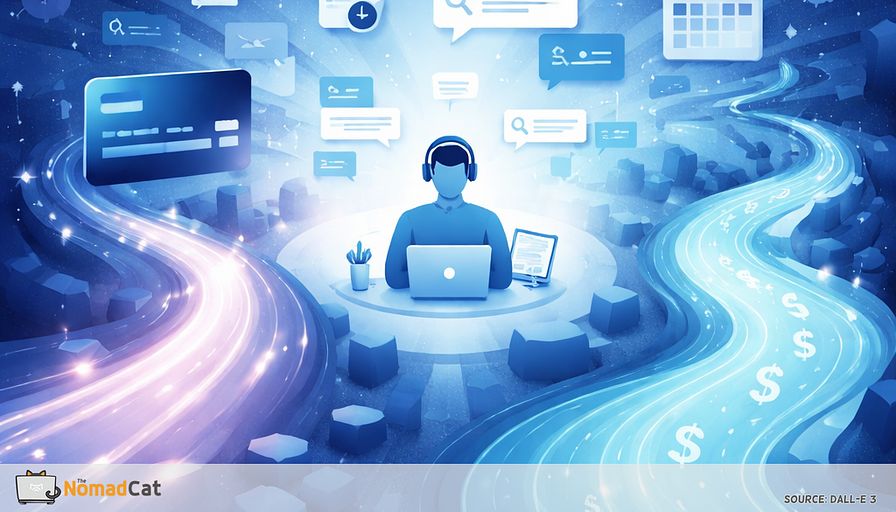
Managing money as an indie tech professional often feels like a puzzle with extra pieces, no? Unpredictable client payments, those endless software bills, and the occasional big purchase—sometimes I wonder which financial tools actually help my workflow, and which ones just add more headaches. I’ve often found myself weighing the practical differences between credit cards and lines of credit, especially when the cash flow gets a bit wild. Let me walk you through what I’ve learned about when each tool fits the needs of freelancers and small tech operations.
I’ll share straightforward explanations of how these tools work, with examples from my own experience—like handling late payments, funding launches, or paying for surprise expenses that seem to pop up at the worst moment. I’ll also give you some basic strategies for staying out of those quiet debt troubles that sneak up on you. For me, digital reminders, simple accounting tools, and keeping business finances totally separate from personal ones have been lifesavers. This is not always so simple, you know?
I like to keep things friendly and practical—so no nights lost to money stress. Whether you’re just starting out or hoping to tighten up your habits, these tips are here to help your indie tech business run smoothly, with maybe a little humor along the way.
credit cards vs lines of credit
what makes them different
Credit cards and lines of credit (LOCs) are both types of revolving credit, but they don’t work quite the same. Credit cards are card-based, often come with rewards, and usually have higher interest rates. Lines of credit give you a pool of funds to dip into as needed, often with lower rates and bigger limits. Industry comparisons show that understanding these basics makes it much clearer why you might reach for one tool over the other.
Credit cards are for purchases up to a set limit. You owe at least minimum payments monthly and pay interest on any balance you carry. LOCs let you pull out cash as needed, charge interest only on what you use, and typically offer more flexible repayments. Here’s how I see it:
- Credit cards: Good for purchases, require set minimum payments, higher interest.
- Lines of credit: Flexible cash withdrawals, potential interest savings, flexible repayment.
If you’re new to business, credit cards are usually the easiest to qualify for—often just a decent credit score is enough. LOCs tend to want a longer business track record or even collateral. So, for many new tech ventures, the credit card is the first step, while an LOC becomes more of an option as you grow. With these basics, let me explain why indie tech professionals often have cash flow headaches.
why cash flow is tricky for indie tech freelancers
Freelancers in tech often deal with late payments, unpredictability between projects, and inconsistent income. Nearly 60% of freelancers report dealing with late payments on a regular basis. All this makes handling regular expenses even tougher.
Business costs like software subscriptions, hosting, or platform fees keep rolling in every month, even when invoices aren’t paid. These repeating costs push many freelancers to use credit cards or LOCs just to make it to the next client check. Common ongoing expenses include:
- Software subscriptions
- Web hosting
- Marketing tools
Mixing personal and business money might seem easier at first, but it turns taxes into a mess and blurs your debt picture. Keeping the two separate saves time and sanity. Let’s see how these tools show up in everyday freelance life.
smart debt choices
bridging income gaps when clients pay late
Picture this: a tech freelancer (maybe you, maybe me) during a slow month. Client payments are late, but the usual software bills don’t wait. Business doesn’t get to pause—hosting and tools still need to be paid to keep things running. In these moments, it’s common to reach for a credit card for a quick fix.
Credit cards are easy for these monthly expenses and sometimes offer rewards. But if payments aren’t caught up quickly, interest fees can eat into next month’s income. It works as a quick fix, but if the gap stretches on, things can get dicey.
For bigger or longer-lasting gaps, a line of credit may be a better plan. LOCs usually have lower interest and more forgiving payment schedules, though they’re not as instant as credit cards. Setting up an LOC ahead of time takes some work, but it can be worth it for those regular cash-flow blips.
The approach I use is to match the tool to the problem:
- Credit cards: Small, short-term gaps if you can pay them off quickly.
- Line of credit: Larger or ongoing income gaps.
- Always focus on repaying fast to keep interest low.
This brings me to another common challenge: funding your next big launch.
funding a product launch or prototype
Launching a SaaS product or building a prototype means upfront spending—marketing, development, maybe manufacturing. These big, one-time pushes can quickly demand more than the usual credit card handles. Carrying a big balance is also costly with high interest. It’s like trying to haul a week’s groceries home in a backpack—sooner or later, stuff spills out.
Lines of credit are built for bigger, one-off needs. They let you pull larger amounts, often at lower rates, and pay back as income starts to flow in. This flexible setup can keep things smooth as you launch and wait for sales.
Industry stats show about 14–17% of indie tech professionals use LOCs to push through product launches, often paying them off within six months as revenue stabilizes. So, credit cards are best for small, quick cycles—while LOCs handle bigger leaps, as long as you pay them down fast. But surprises? That’s a different story.
handling emergencies and surprise expenses
Unexpected bills can land anytime—a laptop crashes, or you suddenly need to hire help when a project lands. Here, quick access is key, and credit cards are handy.
Let me share a quick story. Back when I was managing a multicultural team in Beijing, we were about to launch a new feature when my main developer’s laptop died—of course, right before a deadline. I had to buy a replacement on the spot. My business credit card saved the day, but I made sure to pay it off as soon as the next invoice cleared. Otherwise, the interest would have eaten into our already tight margins. This is not always so easy, but it’s better than missing a launch.
Credit cards help in these moments, giving instant buying power and sometimes perks like warranty extensions or small rewards. For bigger emergencies, lines of credit step in—if you have one ready to use.
LOCs can handle high-ticket emergencies, but usually aren’t as instant, especially if paperwork is pending. The trick is to have one set up before trouble starts. Otherwise, you find yourself needing an umbrella after you’re already soaked.
A key tip: always keep business credit separate from personal. This shields personal finances and makes taxes much less stressful. Setting boundaries between the two is just smart business sense.
So, how do you actually pick the right tool for the situation? Let’s get practical.
picking the right tool
matching credit cards and locs to your needs
How do you decide what to use? Here’s a simple framework I use:
- Credit cards: Best for small, regular bills (like software) that you can pay back quickly.
- Lines of credit: Better for bigger, one-off, or irregular expenses—such as launches or bridging longer financial gaps.
- Use both separately, each for what it does best, to avoid confusion or accidental overspending.
This keeps debt manageable and surprises to a minimum.
why indie tech pros need a tailored approach
Most guides for picking credit cards versus LOCs focus on big companies or salaried folks. For freelancers, flexibility in payment schedules, interest rates, and unpredictable income matter more. Cards are for short, regular needs; LOCs are great when money comes in waves.
adapt frameworks to your business rhythm
Generic rules only get you so far. Indie pros should tweak any decision-making approach to fit their own payment cycles and how much risk they’re comfortable with. Customizing the process is important—there’s no one-size-fits-all, vraiment.
psychological and operational traps
the hidden dangers of easy credit
Credit cards can make spending nearly invisible—just a tap and it’s gone. This can make it easy to spend more than planned, letting small debts slowly turn into a bigger problem. Over time, this creates background worry many freelancers know too well. That constant background worry—will the next client pay on time?—is something I know too well from my own freelance years. The anxiety can creep in quietly, making it harder to focus on your work or enjoy the freedom you wanted when you started out.
why locs help maintain discipline
LOCs, with their defined repayments and clear balances, tend to make planning easier. This structure can lower anxiety and help you stick to your spending plans. For me, having a clear repayment schedule feels like a safety net, even if it’s not always comfortable.
digital tools for smarter debt habits
Digital tools help you watch credit card and LOC balances so nothing sneaks up on you:
- Set reminders for payments and spending caps.
- Use accounting or invoicing apps to keep tabs on debt and income.
- Check your balances and payment plans regularly.
Setting up boundaries and adding some automation can make a big difference. I use a simple app to ping me when a payment is due, so I don’t forget—because, honestly, with everything else going on, it’s easy to miss.
risk-proofing your borrowing
setting boundaries and automating discipline
How much borrowing is too much? Here’s what works for me:
- Keep personal and business accounts totally separate.
- Set spending limits for each credit tool.
- Use apps that send alerts or freeze accounts if a cap is hit.
- Set up monthly reminders or even soft locks on cards to spot problems early.
A useful rule of thumb: keep debt payments under 36% of your total income, using your lowest recent month as the baseline. This helps you avoid overextending when things are slow.
- Review your numbers each quarter to stay on track.
- Adjust before small issues get bigger.
Setting up an emergency savings fund is another smart move. Automatic transfers to this fund make you less likely to turn to credit in a crunch, and having a cushion can take a lot of stress out of running your business.
But if debt still starts to build, there are ways to spot it and steer back on track.
avoiding debt creep and stress
If not watched, small debts gradually stack up and can weigh on both your work and your nerves. This “debt creep” is easier to prevent than to fix. Here’s how I keep it in check:
- Track all spending with apps or spreadsheets.
- Use cash or debit for daily expenses when possible.
- Pay off credit card balances monthly to skip the stress and interest.
If things get overwhelming, don’t try to manage it all alone. Financial advice can help you unravel debt, and tools like accounting apps can automate reminders and keep payments on time. Having support and automation stops stress before it grows.
Let me share some real-world examples of how indie tech pros keep business finances easy to handle and resilient against surprises.
lessons from indie tech pros
real stories and best practices
A SaaS founder I know used an LOC to cover the upfront costs of a new product. By focusing on quick repayment as revenue came in, they avoided high interest and kept the business lean. This shows how a line of credit can be useful for launches—if you pay it down quickly. Credit cards serve a different purpose.
Another freelancer handled monthly bills with credit cards in slow months. When paid off quickly, this worked fine—even earning some small perks. But when balances stayed too long, interest piled up and stress followed.
From my own experience, co-founding a cross-border e-commerce platform in Shanghai, I learned the hard way how data-driven marketing strategies can influence your approach to managing credit and cash flow. We had to juggle multiple currencies and unpredictable payment cycles, so keeping a close eye on both credit card balances and LOC usage was essential. Sometimes, a single delayed payment from a European client could throw off our entire month. In those moments, having a line of credit ready—plus a habit of regular financial reviews—kept us afloat.
What habits set thriving tech pros apart?
- Building up financial knowledge and basic budgeting skills.
- Creating multiple income sources, not relying on just one.
- Negotiating clear payment terms with clients right at the start.
- Using digital tools for tracking and automating reminders.
Sticking to regular financial reviews and using accounting apps helps many tech folks keep debt and cash flow in check, making it easier to avoid stress and keep things simple.
Having managed companies across Paris, Beijing, and Berlin, I’ve found that focusing on habits like regular reviews and keeping business separate from personal accounts keeps things calm and open for new chances. These routines make it easier to handle surprises and keep finances straightforward.
Picking the right financial tools really changes the game for indie tech professionals. Credit cards are perfect for quick, small needs, while lines of credit support bigger projects and emergencies. Combining digital tools, clear boundaries, and regular check-ins keeps your debt low and your head clear. Keeping business and personal money in different lanes is good for your taxes and your stress levels, especially when something unexpected hits. With strong borrowing and repayment habits, handling ups and downs gets much easier—leaving you more energy to focus on your work.
You might be interested by these articles:


simplifying debt for indie tech pros

Turn credit stress into freedom for freelancers

Smooth cash flow for tech freelancers with micro-advances and digital factoring

How building a credit cushion early keeps your business calm and ready

Why my best money moves started with mindset not math

Revolutionizing Power with New Energy Storage

Week 2 broke your health plan because it has too much overhead