Unlocking Solar Potential in Europe's Varied Climates
Abstract:
The article explores the intricacies of adopting solar energy across Europe's diverse climates, emphasizing the need for tailored solutions to maximize efficiency in both sunny and cloudy regions. It highlights innovative technologies such as bifacial panels, perovskite cells, smart inverters, and AI, which enhance energy capture and efficiency even in less ideal conditions. Navigating the regulatory landscape is essential, with the EU's Renewable Energy Directive providing a framework, while local regulations necessitate strategic adaptation. Case studies like Enpal and SunRoof underscore the importance of aligning with regional incentives and EU standards to drive solar adoption successfully. Economic advantages, including reduced energy costs and innovative financing models like Power Purchase Agreements and green bonds, make solar an attractive option for businesses. The article also underscores the significance of local collaborations and strategic partnerships, such as those seen with Solaris Offgrid and SunRoof, in fostering solar innovation and expanding market reach. Future-proofing through scalable and adaptable solar systems, alongside AI-driven predictive maintenance, ensures long-term efficiency and competitiveness in the evolving solar energy landscape.
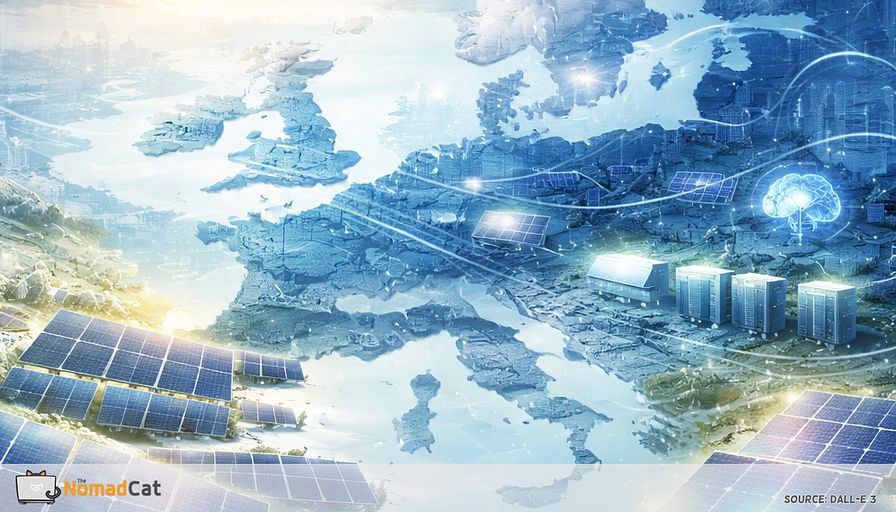
Exploring solar energy in Europe can seem overwhelming. The continent's diverse climates—from sunny Lisbon to cloudy Berlin—require tailored solar solutions. This article examines solar technologies suited for Europe's varied weather, demonstrating how to maximize solar power even in less sunny areas. Discover how innovations like bifacial panels, perovskite cells, smart inverters, and AI are transforming solar energy in Europe. Whether you're looking to cut energy costs for your business or just curious about renewable energy, you'll find practical insights here.
Europe's Diverse Climates: Tailored Solar Energy Solutions
Solar Technologies for Diverse Climates
Europe's range of climates poses a challenge for solar power. Sunny Lisbon and cloudy Berlin each require different solar solutions. Understanding the climate is crucial when selecting the appropriate solar technology. Having experienced both types of weather, it's evident how these conditions influence solar energy choices. The aim is to identify the best technology for each location, ensuring solar energy performs well in both sunny and cloudy environments.
Bifacial solar panels are excellent for cloudier regions like Northern Europe. They capture sunlight from both sides, utilizing reflected light from the ground. In areas like Berlin, these panels can be 20% more efficient than traditional ones. This technology thrives where the albedo effect—reflection from surfaces like snow—enhances energy output.
In regions with low sunlight, such as parts of Northern Europe, perovskite solar cells show promise. They're cost-effective and maintain efficiency in dim lighting. With ongoing advancements, perovskite technology could become widespread in areas with limited sun exposure year-round.
Maximizing Efficiency in Less Ideal Conditions
Smart inverters and new energy storage systems are essential for enhancing the efficiency of solar panels in unpredictable weather. They help manage energy and store excess power for cloudy days, making solar energy more reliable, even in areas with inconsistent sunlight.
Incorporating AI into solar systems marks significant progress. AI optimizes panel direction and adjusts them based on current weather conditions. This is crucial for places like Berlin, where sunlight varies. Panels can better utilize available light with real-time adjustments.
Advanced coatings help maintain panel efficiency in adverse weather. These coatings reduce reflection and repel dirt, which is vital in rainy areas. They keep panels clean and absorbing light effectively, ensuring optimal performance even in challenging conditions.
Navigating Europe's Regulatory Landscapes
Understanding Regulatory Challenges
Solar energy in Europe is shaped by EU directives and local regulations. While EU policies aim to standardize growth, local rules can influence their application. Understanding these differences is crucial. For instance, the EU's Renewable Energy Directive supports renewable energy use, but local rules determine how it's implemented.
Navigating this regulatory maze requires a strategic approach. Aligning with EU directives provides a solid foundation for growth, but adapting to local rules is key. This strategy can open doors for expansion, ensuring compliance and promoting solar solutions across Europe.
Leveraging Regional Incentives
Awareness of regional incentives is crucial for successful solar projects. These incentives aid compliance and make solar projects more affordable. In Germany, for example, incentives like the Renewable Energy Sources Act have been transformative.
Enpal, a company aligned with Germany's renewable goals, demonstrates how tapping into local incentives can enhance offerings and strengthen market position. Aligning with regional policies not only ensures compliance but also boosts solar technology adoption.
Enpal's Strategic Alignment with German Incentives: Enpal's success story highlights how aligning with local incentives can drive solar success. By leveraging Germany's Renewable Energy Sources Act, Enpal has effectively brought solar solutions to market, supporting the country's renewable goals. This strategic approach supports growth and underscores the benefits of aligning business with local policies.
SunRoof's Commitment to EU Standards: SunRoof illustrates success through strict adherence to EU standards. By complying with EU building and energy directives, SunRoof has expanded smoothly across Europe. This commitment ensures compliance and fuels solar expansion, emphasizing the importance of following EU standards for sustainable growth.
Navigating Market Dynamics and Cost Structures
Economic Benefits of Solar Adoption
For European businesses, high energy costs drive the shift towards renewable energy like solar. This choice isn't just eco-friendly but also economically advantageous. Switching to solar can significantly reduce operational costs, providing relief from rising energy bills. Investing in solar technology can save on utility bills, freeing up resources for other business needs.
Innovative financing models also facilitate solar adoption. They distribute initial costs, making the transition more manageable for startups and small businesses. By aligning energy strategies with solar, businesses can enhance their financial health while contributing to environmental sustainability.
Innovative Financing Models
The upfront cost of solar can be daunting for many businesses. However, new financing models like Power Purchase Agreements (PPAs) and green bonds provide solutions. PPAs allow companies to purchase energy at a fixed rate, making costs predictable. Green bonds raise funds for eco-friendly projects, offering a socially responsible investment option.
Leasing is another option, spreading costs over time and reducing initial investments. Energy-as-a-Service (EaaS) lets companies pay for energy use instead of equipment. These flexible options make solar energy more accessible for both startups and established firms.
Harnessing Local Partnerships for Solar Innovation
Collaborations with Local Entities
In Europe, collaborating with local governments and universities is crucial for driving solar innovation. Projects like the Smart Solar Charging initiative in Utrecht demonstrate the benefits of government partnerships. By integrating solar with electric vehicle charging, Utrecht leads in sustainable urban mobility.
Universities also play a significant role in advancing solar technology. Collaborations between institutions like the Technical University of Denmark and companies help develop new solar solutions. These partnerships ensure new technologies are practical and ready for real-world use, fostering a vibrant environment for solar innovation.
Successful Startup Partnerships
Strategic alliances between startups are vital for expanding market reach and driving innovation in the solar industry. Companies like Solaris Offgrid and SunRoof showcase how partnerships can lead to growth. By teaming up with similar firms, these startups enhance their capabilities and access new markets.
For instance, Solaris Offgrid's partnerships enable them to offer off-grid solutions in remote areas. SunRoof's alliances facilitate its expansion across Europe while improving its solar roof solutions. These partnerships are about more than growth—they drive the development of efficient and accessible solar technology.
Future-Proofing with Solar Innovation
Building Scalable Solar Systems
Looking ahead, adaptability is key in the rapidly evolving field of solar energy. Modular solar systems offer flexibility, allowing businesses to increase their energy capacity as needed. These systems expand easily, making them ideal for startups and small businesses. By choosing modular systems, companies can future-proof their energy needs, staying abreast of technological and market demands.
Modular systems have interchangeable parts, allowing for customized solutions. This flexibility enables businesses to remain compliant with current regulations and quickly adapt to new standards. By using modular systems, companies can integrate the latest technologies, ensuring solar installations remain efficient.
Adapting to Future Technological Changes
Predictive maintenance is another way to enhance system efficiency. As market conditions change, investing in adaptable technology is essential for startups to remain competitive. Solar technology that adjusts to conditions and integrates new advancements is crucial for staying ahead.
AI-driven predictive maintenance is transforming how solar systems are managed, improving efficiency and extending their lifespan. By using AI, companies can anticipate issues and optimize performance with real-time data. This proactive approach keeps solar systems reliable and sustainable, making AI a key component of modern solar management.
Unlocking solar energy's potential in Europe's diverse climates is not only possible but also rewarding. By embracing technologies like bifacial panels and perovskite cells, we can harness solar power even in less sunny regions. These advancements, along with smart inverters and AI, ensure solar remains effective, regardless of the weather. Navigating regulations and utilizing regional incentives can lead to successful solar integration. Solar adoption reduces energy costs, and new financing models make it more accessible. By forming partnerships and focusing on adaptable technology, businesses can future-proof their energy strategies and stay competitive.
You might be interested by these articles:


Advancements in Solar Power Tech

Decentralized Energy Storage: Transforming Power Management for a Sustainable Future

Next-Gen Solar Power Innovations

Revolutionizing Energy with Solar Innovation

Microgrids: Empowering Europe’s Energy Revolution

Scenario analysis made simple for tech freelancers facing income swings

Finding satisfaction beyond output in tech