
Revolutionizing Construction with Eco Materials
Abstract:
The construction industry is witnessing a transformative shift towards sustainability, propelled by the integration of eco-friendly building materials. This transition is not only pivotal for reducing environmental impact but also for meeting the growing demand for green construction among forward-thinking professionals, including Chief Technology Officers and Directors of Engineering. The adoption of sustainable building materials such as bamboo, recycled steel, and low-VOC paints, is revolutionizing construction practices. These materials offer significant benefits, including reduced energy consumption, enhanced building efficiency, and minimized waste. Moreover, the implementation of green construction techniques is proving to be a cost-effective approach in the long run, thanks to lower operational costs and increased property values. This evolution reflects a broader commitment to environmental stewardship and sustainability in the technology and engineering sectors, highlighting a path toward more responsible and innovative construction methodologies.
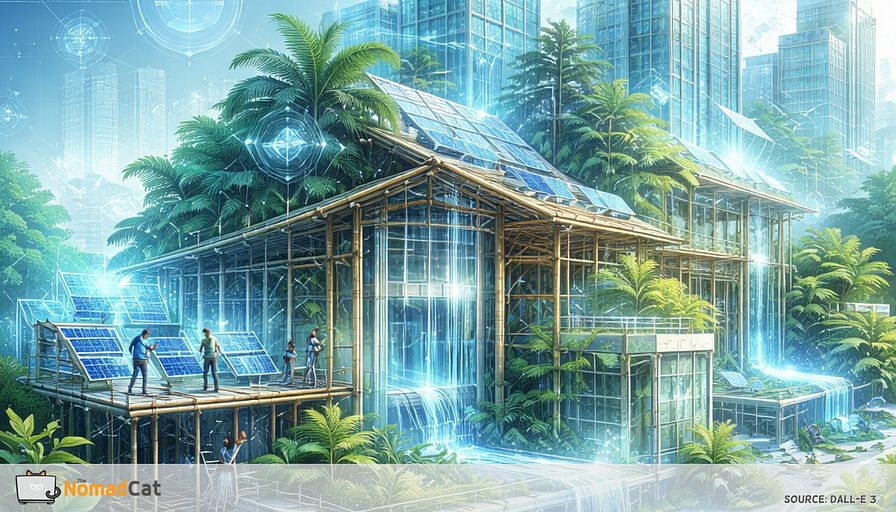
Introduction to sustainable construction
It's exhilarating to witness the growing momentum towards sustainability in the construction industry. This shift is not just about swapping out materials; it's a fundamental change driven by a commitment to improving our environment and reducing our carbon footprint. The construction sector, known for its significant impact on the planet, is now transitioning towards greener practices, inspired by a collective realization of the need to preserve our natural resources.
What truly stands out in this movement is the integration of eco-friendly building materials. These materials not only provide a safer and healthier environment but also offer enhanced durability and efficiency. From recycled steel to bamboo, these materials help in reducing waste and promoting the use of renewable resources. The advent of such technologies is revolutionizing how we think about and approach construction altogether.
Key stakeholders, particularly Chief Technology Officers and Directors of Engineering, play a crucial role in promoting this change. As a CTO, I can attest to the challenges and rewards of integrating sustainable practices into our workflows. Our responsibilities go beyond simply adopting new materials; we need to research and implement innovative solutions, ensure compatibility with existing systems, and convince stakeholders of the long-term benefits, both environmental and economic.
Moreover, it's not just about the technology itself. The drive towards sustainability is also about fostering a culture of continuous improvement and awareness among our teams. This means ongoing education, training, and a dedication to staying updated with the latest advancements in eco-friendly construction techniques.
In our journey towards sustainable construction, we also see a broader industry commitment to sustainability. This includes adhering to stricter regulations, aiming for higher certifications, and being transparent in reporting our environmental impacts. Our collective goal is to create structures that not only meet current needs but also remain viable for future generations.
Overall, the move towards sustainable construction is an inspiring and necessary progression. By embracing eco-friendly materials and innovative technologies, we not only elevate the standards within our industry but also contribute to a healthier planet. This transformation is a testament to what we can achieve when we prioritize our environment and work together towards a common goal.
Eco-friendly building materials
It's thrilling to explore the wide array of eco-friendly materials that are transforming the construction industry. These materials not only push the industry towards a greener future but also promise to enhance the efficiency and durability of buildings. Let’s take a closer look at some of the most innovative and impactful materials making waves in sustainable construction today.
Bamboo: Nature's renewable resource
Bamboo is one of the standout materials in sustainable construction. Its rapid growth rate and incredible strength make it an excellent alternative to traditional wood. This versatile plant can reach maturity in just a few years, compared to the decades it takes for trees used in conventional lumbering.
- Durability: Bamboo is remarkably strong and has a higher compressive strength than concrete and a tensile strength that rivals steel.
- Sustainability: As a highly renewable resource, bamboo grows quickly and can be harvested sustainably with minimal environmental impact.
- Aesthetics: Bamboo offers a unique and appealing aesthetic that can enhance the visual appeal of a structure.
By incorporating bamboo, we not only reduce our reliance on traditional timber but also promote the use of a material that effectively sequesters carbon dioxide, contributing to the fight against climate change.
Recycled steel: Forging a greener path
Recycled steel is another fantastic eco-friendly option. This material leverages the immense potential of reusing existing resources, drastically cutting down on the need for new raw materials and the energy required to produce them.
- Strength and flexibility: Recycled steel maintains the strength and flexibility required for structural purposes, ensuring the integrity and safety of buildings.
- Environmental impact: Using recycled steel reduces the carbon footprint associated with steel production, which is typically very energy-intensive.
- Waste reduction: By repurposing used steel, we significantly lessen the waste that ends up in landfills.
Adopting recycled steel in construction underscores a commitment to both sustainability and innovation, offering robust and reliable alternatives without compromising quality.
Low-VOC paints: Breathing easier indoors
Traditional paints often contain volatile organic compounds (VOCs) that release harmful chemicals into the air, negatively impacting indoor air quality and human health. Low-VOC paints offer a healthier and more environmentally friendly solution.
- Health benefits: Low-VOC paints significantly reduce the emission of toxic chemicals, creating safer indoor environments for occupants.
- Environmental benefits: These paints contribute to improved air quality and reduced smog formation, benefiting the broader environment.
- Durability and performance: Modern low-VOC paints are available in a variety of finishes and colors, offering the same durability and aesthetic appeal as their traditional counterparts.
Incorporating low-VOC paints into construction projects is a straightforward yet impactful way to ensure healthier living and working spaces while supporting eco-friendly practices.
By championing materials like bamboo, recycled steel, and low-VOC paints, we're not just ticking boxes for sustainability; we're actively enhancing the efficiency, health, and longevity of building projects. As we integrate these eco-friendly options into our construction practices, we set a new standard for what it means to build responsibly and sustainably.
Cost-effective green construction techniques
It's fascinating to see how adopting green construction techniques can be both environmentally friendly and financially savvy. Many might initially assume that sustainable practices come with higher costs, but the reality is often quite different. By implementing these eco-friendly techniques, we can achieve significant long-term savings, boost property value, and ensure more efficient use of resources.
One clear advantage of green construction is the reduction in operational costs. Energy-efficient designs, such as enhanced insulation, solar panels, and energy-efficient windows, dramatically reduce energy consumption. Over time, this translates to substantial savings on utility bills. For example, installing solar panels might have an upfront cost, but the return on investment is realized through reduced electricity bills, often within a few years. In my experience, these savings can free up capital for other areas of our projects, allowing for increased innovation and growth.
Smart water management
Water management is another area where green techniques shine. By incorporating systems such as rainwater harvesting, low-flow fixtures, and greywater recycling, we can significantly reduce water usage and costs. These systems not only conserve water but also lower the expenses associated with water utility services.
- Rainwater harvesting: Collecting and storing rainwater for landscaping or non-potable uses reduces reliance on municipal water supplies.
- Low-flow fixtures: Installing fixtures like low-flow toilets and showerheads helps minimize water consumption without sacrificing performance.
- Greywater recycling: Reusing water from sinks and showers for irrigation or flushing toilets can drastically decrease water usage.
Durability and maintenance savings
Sustainability isn't just about upfront savings; it's also about the long-term financial benefits from durable materials and reduced maintenance needs. Materials like bamboo and recycled steel not only have lower environmental impacts but also offer exceptional durability. This means fewer repairs and replacements over the building's lifespan, resulting in cost savings.
- Bamboo: Its strength and resistance to pests and moisture extend its life beyond that of traditional wood.
- Recycled steel: This material offers robustness and flexibility, reducing the need for frequent repairs.
On top of operational and maintenance savings, green buildings often have higher property values. Buyers and tenants are increasingly valuing sustainability, leading to a willingness to pay premium prices for eco-friendly buildings. This trend aligns with the growing awareness and demand for healthier, more efficient living and working spaces. In my role, I've seen firsthand how investing in green construction can attract more clients and tenants, creating a competitive edge in the market.
Ultimately, these construction techniques represent a smarter economic choice. By reducing operational expenses, enhancing property value, and ensuring durable infrastructure, we align financial interests with sustainable goals. It’s a harmonious blend that benefits the environment and our bottom line.
Broader commitment to sustainability
The shift towards greener practices in construction is part of a larger commitment to sustainability within the technology and engineering sectors. This transition represents a conscientious effort to adopt responsible building practices and innovative methodologies to reduce our environmental impact. As professionals in the tech and engineering fields, our role extends beyond material selection; it encompasses a holistic approach to sustainable development.
Responsible construction practices are essential to this broader sustainability ethos. By integrating eco-friendly materials and advanced construction techniques, we not only minimize waste and conserve resources but also set a standard for environmental stewardship. It's about creating value that transcends the immediate project, contributing positively to the planet for future generations.
Innovative methodologies play a crucial role in this journey. From using cutting-edge software to optimize energy consumption in buildings to adopting modular construction methods that reduce on-site waste, innovation is at the heart of sustainable progress. These methodologies empower us to design and construct buildings that are not only efficient and durable but also adaptable to future needs.
Additionally, achieving sustainability in construction requires a collective effort across the industry. It involves collaboration among architects, engineers, builders, and policy-makers to create a unified approach towards greener practices. By working together, we can overcome the challenges of integrating new technologies and ensure that our projects meet the highest environmental standards.
I believe that our commitment to sustainability is not just a professional obligation but a moral imperative. We must continue to innovate and advocate for the adoption of sustainable practices. This includes ongoing education and awareness to keep our teams updated with the latest advancements and regulatory requirements in eco-friendly construction.
Let us strive for a future where every construction project reflects our dedication to protecting the environment. By embracing responsible practices and innovative solutions, we can lead the way towards a more sustainable and eco-friendly industry. Together, we can achieve remarkable progress and create a lasting positive impact on our world.
You might be interested by these articles:


Advancing Sustainable Construction

Green Concrete Innovations

Eco-Friendly Building Essentials

Building a Sustainable Future: Embracing the Circular Economy in Construction

Circular Economy: Transforming Green Building for Tech Startups

Digital Aid for Mental Well-being

Why my best money moves started with mindset not math