Decentralized Identity Management Using Blockchain
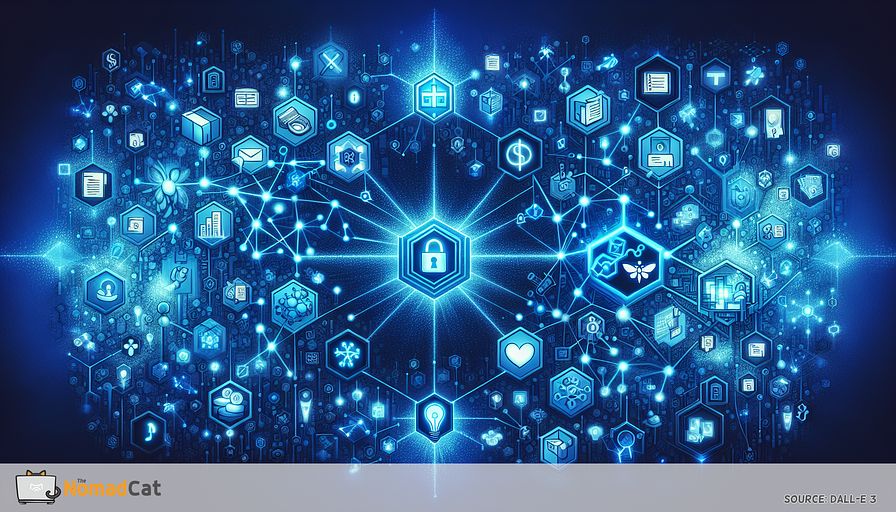
Decentralized Identity Management (DIM) proposes a new way of safeguarding digital identities, allowing users to control their data securely. This approach addresses the vulnerabilities of centralized identity management systems. Blockchain technology forms the basis of DIM, offering a decentralized framework that prevents data breaches and unauthorized access. Technology executives, including CTOs and engineering directors, are crucial in implementing DIM and blockchain technology to enhance security and digital trust. The future of these innovations is expected to have a substantial impact on identity security, digital trust, and access to digital services.

Decentralized Identity Management: A Modern Approach to Identity Security
Decentralized Identity Management (DIM) is a novel approach to handling digital identities, providing users with secure control over their personal data. In traditional systems, centralized authorities manage user identities, making them vulnerable to data breaches and privacy infringements. DIM, on the other hand, eliminates this single point of failure by distributing identity management across a network of devices, empowering users to manage their data securely.
Blockchain Technology: The Foundation of Decentralized Identity Management
Blockchain technology, renowned for its role in underpinning cryptocurrencies like Bitcoin, has emerged as a promising solution for DIM. Its decentralized nature ensures that no single entity controls the entire network, mitigating the risk of data breaches and unauthorized access. By integrating blockchain technology into identity management systems, users can maintain a tamper-proof record of their personal information, enhancing privacy and security.
The Role of Technology Executives in Implementing Decentralized Identity Management and Blockchain Technology
In the context of technology and engineering, Chief Technology Officers (CTOs), Directors of Technologies, and Directors of Engineering play a pivotal role in implementing DIM and blockchain technology. These executives must comprehend the complexities of these innovations and create strategies that prioritize identity security and digital trust. By adopting DIM and blockchain technology, organizations can enhance their security posture while building trust with their customers and stakeholders.
The Future of Decentralized Identity Management and Blockchain Technology
As technology continues to evolve, DIM and blockchain technology will play an increasingly critical role in identity security and digital trust. Emerging trends, such as self-sovereign identity and decentralized finance, promise to further democratize access to digital services while bolstering security. By embracing these innovations, technology and engineering leaders can stay ahead of the curve and ensure their organizations remain secure, competitive, and trustworthy in an ever-changing digital landscape.