
Abstract:
Decentralized mobility networks are revolutionizing eco-friendly transportation by redistributing control among multiple stakeholders, which enhances flexibility and resilience in transport systems. This innovative approach leverages blockchain technology to ensure secure, transparent transactions and eliminate intermediaries, thereby reducing costs and increasing efficiency. Real-world examples, such as Share&Charge's blockchain-enabled EV charging and Portugal's Mobi.E project, demonstrate the potential for these networks to promote sustainable practices and reduce emissions. Key benefits include increased transparency, trust, and operational efficiency, enabled by features like smart contracts. Challenges such as regulatory compliance, particularly with data privacy laws like Europe's GDPR, and technology adoption must be navigated through collaboration among stakeholders. These networks not only promise a greener future by supporting shared and electric vehicle use but also offer opportunities for startups to innovate business models and streamline processes. Ultimately, decentralized mobility networks represent a dynamic shift towards adaptable, community-driven transportation solutions that align with sustainability goals.
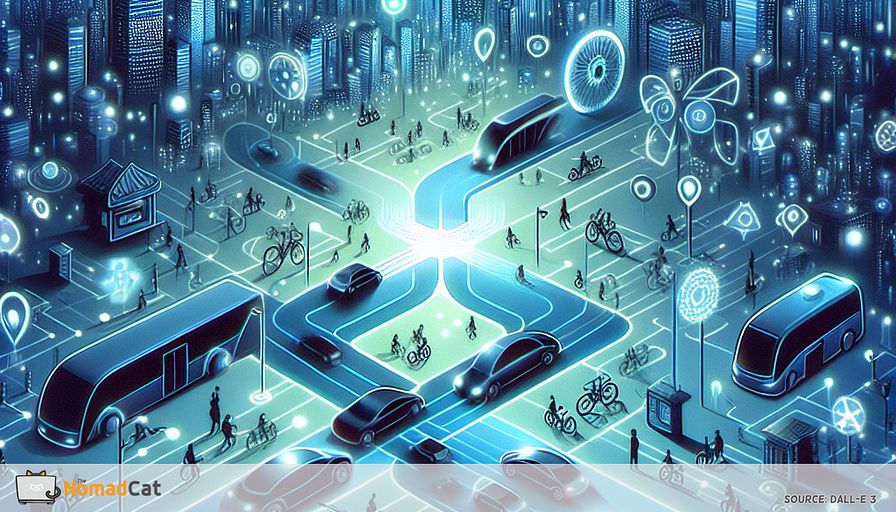
In a world where eco-friendly transportation is crucial, decentralized mobility networks are making a significant impact. Imagine a system where control is shared among various stakeholders, enhancing flexibility and resilience without relying on a single authority. This approach not only distributes decision-making but also empowers communities to create adaptable transport solutions that meet today's demands. By adopting decentralized models, transportation can become more dynamic and sustainable, offering a glimpse into the future of mobility. Let's explore how these networks are poised to revolutionize transportation, focusing on blockchain technology and real-world success stories that demonstrate their potential.
Decentralized Mobility Networks: Transforming Eco-Friendly Transport
Understanding the need for sustainable and efficient transportation is essential today. Decentralized mobility networks present a novel approach by distributing control across multiple groups, ensuring flexibility and resilience in transport systems. This method enhances traditional systems by allowing various stakeholders to contribute equally, promoting adaptability and efficiency. By employing decentralized models, transportation networks can better address the needs of modern society, offering solutions that are both dynamic and sustainable.
Decentralized Networking Basics
Decentralized mobility networks are founded on the principle of distributed control, significantly enhancing the flexibility and effectiveness of transportation systems. Unlike centralized models where a single authority manages everything, decentralized networks allow diverse entities to participate in decision-making, resulting in more adaptable systems. This distribution of control not only fosters innovation but also enables more localized and responsive transportation solutions. By involving multiple entities, these networks become versatile, ready to handle changing demands and unexpected challenges. To enhance engagement, let's vary the sentence structures and lengths.
Blockchain: The Backbone of Decentralized Networks
Blockchain technology plays a pivotal role in operating decentralized mobility networks by facilitating secure and transparent transactions. By creating a permanent ledger of information, blockchain ensures all transactions are trustworthy and transparent, eliminating the need for intermediaries. This transparency is vital for building trust among users and operators, which is crucial for successfully implementing a decentralized network. Blockchain's ability to securely and transparently manage data makes it the ideal backbone for these systems, supporting everything from ride-sharing to EV charging stations.
Cutting Out Intermediaries for Efficiency
A significant advantage of decentralized networks is their capacity to eliminate intermediaries, leading to better resource utilization and cost savings. By removing these middlemen, transactions become more straightforward and efficient, reducing operational costs and enhancing service delivery. This streamlined process is particularly beneficial in transportation, where unnecessary delays and extra costs can significantly impact efficiency. The role of blockchain in enabling direct, peer-to-peer transactions showcases how technology can enhance operational efficiency, offering a more cost-effective and resource-optimized approach to mobility solutions.
Blockchain in Transportation: Enhancing Transparency and Efficiency
Blockchain technology ensures transparency and trust within decentralized mobility networks by maintaining an unchangeable record of all transactions. This permanence not only prevents data tampering but also builds confidence among users and stakeholders, which is essential for the adoption and success of decentralized systems. As transportation networks expand, utilizing blockchain's capabilities for secure and transparent record-keeping can transform how users interact with and trust these networks. To strengthen this argument, let's include specific examples or case studies of successful blockchain implementations in transportation.
Smart Contracts: Automating and Securing Transactions
Smart contracts, a critical component of blockchain technology, automate agreements within decentralized mobility networks. These digital contracts automatically execute when pre-set conditions are met, reducing human error and boosting operational efficiency. By automating these processes, smart contracts minimize the potential for disputes, streamlining operations and improving trust in the system. In eco-friendly transportation, smart contracts can ensure compliance with sustainable practices, further optimizing network efficiency.
Real-World Applications: Blockchain in EV Charging
One exciting application of blockchain in transportation is in EV charging stations. By enabling blockchain-based EV charging, networks support the use of green energy, promoting sustainable transportation options. Real-world projects like Share&Charge illustrate how blockchain can support the use of renewable resources in transportation, demonstrating the technology's potential to promote greener, more efficient mobility solutions. This integration of green energy not only supports environmental goals but also enhances the appeal and practicality of decentralized mobility networks.
Benefits of Decentralized Mobility Networks
Examining how decentralized mobility networks encourage eco-friendly transportation reveals numerous benefits, particularly in boosting transparency, trust, and efficiency. By dismantling traditional barriers in transportation systems, decentralization helps create robust, adaptive solutions suited for modern needs.
Boosting Transparency and Trust
Decentralized systems, powered by blockchain technology, offer secure and tamper-proof data sharing that greatly fosters trust among stakeholders. Blockchain's unchangeable nature ensures that transaction records cannot be altered, providing a solid foundation for trust. For instance, when applied to eco-friendly transport solutions like bike-share programs, this transparency allows all participants—from riders to regulatory bodies—to access reliable data about system usage and performance.
This increased transparency benefits stakeholders such as commuters and regulators by creating a cooperative atmosphere. For commuters, having access to trustworthy, real-time data means better route planning and knowing service availability, improving their overall experience. Regulators gain confidence in system operations and sustainability measures, enabling more informed decision-making. With transparency, both parties can work together effectively, aligning goals for a more sustainable future.
Cost Savings and Efficiency
A key advantage of decentralized mobility networks is their ability to remove intermediaries, streamlining processes and reducing operational costs. By eliminating the need for middlemen, transactions become more direct, cutting unnecessary expenses and making resource use more efficient. This results in a more cost-effective transportation system, where resources are allocated efficiently, lowering costs for both providers and users.
Moreover, decentralization provides the flexibility for adaptive resource allocation, quickly responding to changes in demand. For example, if there's a sudden increase in electric scooter demand in a city, a decentralized network can quickly reroute resources to meet the demand, ensuring user needs are consistently met. This adaptability not only minimizes downtime but also optimizes resource use, leading to enhanced overall network efficiency.
Real-World Success: European Decentralized Mobility Projects
Innovation Through Integrated Networks
In Portugal, the Mobi.E project exemplifies innovation, showcasing the power of an integrated EV network. This initiative has not only increased EV adoption but also played a crucial role in reducing emissions, aligning with broader ecological goals. By offering a seamless experience for users through open-access platforms, Mobi.E demonstrates how integrated networks can drive significant environmental benefits. To enhance authenticity, let's include personal anecdotes or reflections from the author's experiences with similar projects.
Similarly, in the Netherlands, SmartHubs highlights the benefits of shared mobility hubs. These hubs combine various transport modes, leading to a noticeable reduction in car usage while promoting alternative options like public transport and biking. This model not only reduces urban congestion but also supports a shift towards more sustainable transportation, offering a practical blueprint for other countries looking to improve urban mobility.
Global Insights: Adapting Successful Practices to Europe
Balancing Privacy with Innovation
One of the key lessons from global projects comes from Singapore, where strong data privacy measures within decentralized networks offer valuable insights for regulatory compliance. By prioritizing user privacy as technology advances, Singapore sets an example for balancing innovation with necessary regulations. This approach can be especially useful in Europe, where privacy laws are strict, ensuring that technological advancements do not compromise individual rights. Let's explicitly discuss how European startups can leverage these insights to overcome specific challenges like scalability and regulatory compliance.
Switzerland, on the other hand, excels in interoperability within Mobility as a Service (MaaS) models. By focusing on creating integrated solutions that work seamlessly across various platforms, Switzerland provides a practical framework for adopting decentralized solutions throughout Europe. This focus on interoperability ensures that different systems can work together efficiently, making the integration of new technologies smoother and more effective.
Through these examples and global insights, we see how decentralized mobility networks move from concept to action, offering valuable lessons and frameworks adaptable to Europe’s unique regulatory environment.
Opportunities for Startups
Exploring the landscape of decentralized mobility, tech startups are well-positioned to use these innovations to create new business models. There are unique opportunities to rethink traditional paradigms and use blockchain technology to enhance efficiency and reduce costs. To improve readability, let's use bullet points or numbered lists to break down the innovative business models and decentralized insurance opportunities.
Innovative Business Models: Decentralized ride-sharing platforms like Arcade City connect drivers and passengers directly, cutting out middlemen. This not only builds trust among users but also significantly reduces costs by eliminating commission fees typically charged by centralized services. By allowing drivers to set their rates and passengers to choose based on various preferences, these platforms create a transparent environment that can attract users who value cost-effectiveness and personalized experiences.
Decentralized Insurance: In the insurance field, blockchain offers revolutionary solutions that simplify and secure processes. One key area where blockchain can make a significant impact is in managing insurance claims. The traditional method often involves long processing times and a high risk of fraud. Blockchain-based insurance products streamline these processes, cutting down on the time needed to process claims and reducing fraudulent activities.
Platforms like Etherisc are prime examples of this innovation. They use smart contracts to automate agreement terms and execution, thereby enhancing efficiency. When certain conditions are met—such as the occurrence of an insured event—the smart contract automatically triggers the claims process, ensuring timely payouts and reducing administrative overhead. This level of automation not only enhances the user experience but also frees up resources that startups can allocate towards continuous innovation.
With these opportunities clearly presenting themselves through decentralized technologies, startups have fertile ground to redefine traditional business models. However, with every opportunity, challenges also need to be addressed for sustained success. To address the persona's emotional triggers, let's discuss how decentralized networks can help startups stand out in a crowded market.
Addressing Regulatory and Technological Challenges
Navigating the world of decentralized mobility networks involves overcoming various challenges, especially in terms of regulation and technology adoption. These hurdles require thoughtful strategies to ensure the successful implementation of new mobility solutions.
Regulatory Hurdles
Ensuring regulatory compliance is vital to the success of decentralized mobility networks. In Europe, one of the main challenges is adhering to the General Data Protection Regulation (GDPR), which emphasizes the importance of protecting consumer data. Additionally, addressing cybersecurity threats is crucial to maintain the integrity of decentralized systems. Regulatory frameworks must evolve to accommodate these emerging technologies, minimizing potential risks while fostering innovation.
To ease these challenges, developing unified standards across regions could be helpful. By establishing a consistent set of regulations, it becomes easier to integrate decentralized systems across borders, promoting seamless cross-border mobility services. These standards can help streamline compliance processes and ensure that new networks can operate legally and efficiently. Efforts to standardize regulations are already underway, but require joint collaboration among stakeholders to be truly effective.
Technology Adoption
Another significant obstacle is the adoption of new technologies, especially regarding user data protection. Data privacy is a cornerstone of building trust, which in turn facilitates widespread technology adoption. Users must feel confident that their personal information is handled securely, as this trust is crucial for the successful implementation of decentralized networks.
Collaboration is key in overcoming these adoption barriers. Engaging with government entities and diverse stakeholders can help address concerns related to both technology and data privacy. Such collaboration underscores the importance of aligning technological advancements with regulatory requirements and user expectations. As decentralized mobility networks continue to develop, these partnerships will be crucial in ensuring that technology adoption progresses smoothly and securely.
Focusing on these key areas allows stakeholders to navigate the complexities of regulatory and technological challenges, paving the way for more efficient and sustainable transportation networks.
Future Role of Decentralized Networks in Sustainability
As the world moves towards eco-friendly solutions, decentralized mobility networks offer a promising path to sustainability. These networks are not just a futuristic concept but a real way to achieve significant reductions in carbon emissions through shared and electric vehicle deployment. To evoke stronger emotions, let's use more vivid descriptions or personal stories.
Leveraging Community for Sustainability
By tapping into decentralized networks, transportation systems can substantially lower carbon footprints. Shared mobility platforms like bike and scooter sharing, as seen with companies like Lime and Mobike, reduce the number of vehicles on roads, effectively cutting emissions. The integration of electric vehicles (EVs) further amplifies these benefits. When communities embrace shared EV use in decentralized systems, we not only minimize emissions but also promote greener urban environments. Community involvement is key, as it fosters a sense of collective responsibility and enables localized decision-making that aligns with sustainability goals.
The real change lies in community-based governance, which tailors transportation solutions to fit local sustainability objectives. This participatory approach ensures that mobility services meet the unique needs of local populations and contribute effectively to environmental goals. By involving residents in decision-making, these networks innovate in ways that traditional systems often can't. To enhance originality, let's incorporate insights about lesser-known European cities or projects that have successfully implemented decentralized networks.
Strategic Guidance for Tech Executives
For tech executives looking at decentralized solutions, the focus should be on aligning these innovations with sustainability objectives and ensuring scalability. This strategic alignment not only aids in achieving environmental goals but also supports business growth, making it an essential part of modern corporate strategies.
Integrating with Sustainability in Mind
To successfully integrate decentralized solutions, tech leaders must prioritize scalability alongside sustainability. This requires systems that can grow and adapt to increasing demands while maintaining eco-friendly operations. The rewards are many: reduced operational costs, improved efficiency, and enhanced stakeholder trust. Emphasizing such alignment keeps companies competitive and responsible in a shifting landscape that increasingly values sustainable practices.
But achieving these goals is not a solitary endeavor; collaboration with stakeholders becomes crucial. Building partnerships with local communities, regulators, and industry peers ensures that decentralized solutions can be implemented smoothly within existing frameworks. This collaborative spirit is essential for tackling regulatory challenges and fostering innovation.
Decentralized mobility networks promise a greener, more efficient future by redistributing control and empowering communities. These networks enhance flexibility and resilience, making transportation a dynamic, adaptable system. Blockchain technology underpins these networks, ensuring secure and transparent transactions that build trust and cut out intermediaries. This efficiency not only saves costs but also aligns with eco-friendly goals, as seen in projects like Share&Charge and Mobi.E. As startups explore these opportunities, challenges like regulatory compliance and technology adoption must be addressed. Yet, with collaboration and a focus on sustainability, decentralized networks can redefine transportation.
You might be interested by these articles:


Empowering Communities: The Rise of Decentralized Recycling Networks

Blockchain's Role in Proving Real Sustainability Efforts

Blockchain Revolutionizing Carbon Offsetting and Renewable Energy

How Supply Chains Are Driving the Electric Vehicle Revolution

Eco-Driven Transport Solutions

How to tell a tech story people actually remember

Minimalist dashboards for calmer freelance finances