Abstract:
The article explores the challenges of working solo in tech, emphasizing how the freedom and lack of oversight can also lead to feelings of invisibility and diminished motivation, as accomplishments often go unnoticed and days blend together. It highlights the concept of "progress amnesia," where solo workers lose sight of their achievements, leading to decreased satisfaction and increased risk of burnout. To counter this, the piece advocates for micro-celebrations—small, authentic habits like jotting wins in a log, taking a mindful pause after completing a task, or sharing milestones in online peer groups—that help make progress visible and meaningful. Drawing on examples from indie tech workers and digital tools such as habit trackers and chat apps, the article provides practical tips for weaving recognition into daily routines without awkwardness or extra effort. It also examines psychological and cultural barriers to self-celebration, suggesting personalized, low-pressure approaches to make self-recognition natural rather than forced. By fostering these habits, solo tech professionals can boost their own motivation, build resilience, and even nurture a sense of community through lightweight sharing practices. The author’s personal experience, especially after moving to Lisbon and transitioning from team environments to solo work, underscores how even brief, shared acknowledgments can transform the solitary grind into a more rewarding and connected journey. Ultimately, the article argues that small, regular celebrations—not grand gestures—are essential for making solo tech work both sustainable and satisfying.
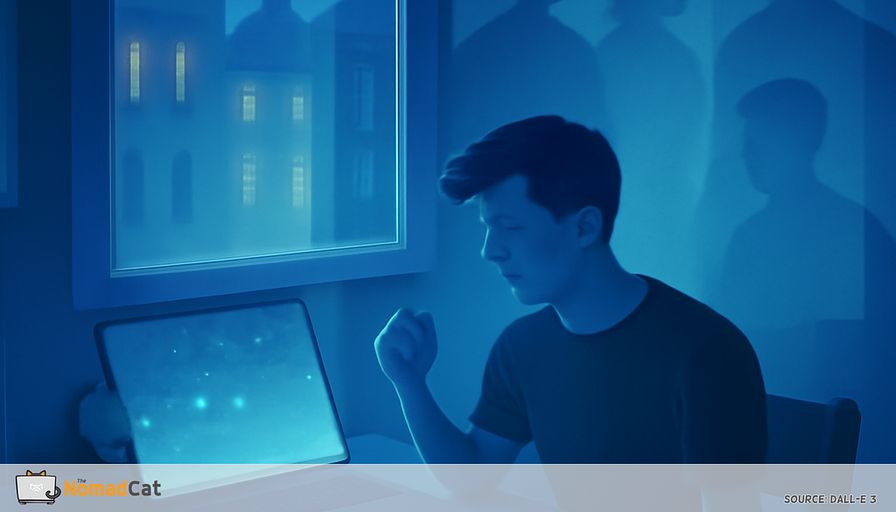
Working solo in tech gives a nice sense of freedom. No endless meetings, no one cares if you debug in pajamas, and you can set your own pace. But that peace can sometimes turn into invisibility. I remember my first weeks after moving to Lisbon—working from my kitchen table, the only sound the clack of my laptop keys and the distant hum of the street outside. Wins slipped by, days blurred together, and there was nobody to cheer me on. I didn’t expect to miss those high-fives from office life, but over time, the silence wore thin. Each task felt a little less important, and I started to wonder if my hard work even mattered.
That’s why I started paying attention to the small wins. This is just one of the daily check-in rituals I rely on as an independent tech professional—I'll share more quick wins for avoiding isolation in future posts. In this piece, I’ll share why celebrating every win matters for solo tech folks like me, how invisible progress can sap motivation, and how quick micro-celebrations can flip the story. I’ll show how I slip recognition into my day, keep it relaxed (not awkward), and share good news without needing a whole team.
I’ll draw from habits I picked up as a CTO in Berlin, digital tools that help, and the weirdness that comes with praising yourself. For me, it’s not about crowd applause—just marking moments in a way that lifts my mood and brings a bit more fun to the grind.
Working solo is freeing, sure, but also lonely at times. When I finish a tough bug fix and nobody notices, the moment passes. If this keeps happening, I start to forget why I’m doing it. That’s why those small victories deserve attention.
Not seeing my own progress makes it harder to stay motivated. Micro-celebrations—those quick, honest acknowledgments—have real effects. I’ll share simple rituals and digital tricks for bringing those wins out into the light. These habits of self-recognition make my workdays more meaningful, even from the kitchen table.
Looking into the psychology behind celebrating, and the awkwardness that can come with it, I’ll lay out ways to make even small progress visible. Whether it’s a mini fist pump, a note in a win log, or sharing a detail in a chat group, it all adds up. If working solo feels like a quiet grind, these ideas can help make every step forward count.
why small wins matter
invisible progress
Working alone offers freedom, but also a new kind of quiet. Nobody claps for bug fixes or cheers when a feature is done. Many days pass with just the whir of your laptop. This lack of feedback isn’t just a small thing—it can really affect mood. When no one notices your work, it’s easy to drift and start questioning if you’re moving forward. Without the feedback teams get, solo progress can lose its spark. That’s when motivation often drops.
When I first moved to Lisbon and started working from my kitchen table, I realized how easy it was for a week of hard work to go unnoticed—even by myself. Studies show that when solo workers get little feedback, stress stacks up and burnout is more likely. I’ve had days where I finished a whole sprint and nothing felt fully done—no “good job” comments, just a list of tasks that never ends. It’s tough to stay driven. Solo tech work can make you feel stuck, especially without ways to track or celebrate milestones.
If progress always feels invisible, you start forgetting all the things you did. This is what some call “progress amnesia.” Work turns into a grind, hiding the excitement that drove you to work alone in the first place. Even big wins seem to shrink or vanish altogether. Motivation goes down, and the work feels less meaningful. Here’s where micro-celebrations come in.
why micro-celebrations work
Micro-celebrations are quick, easy ways to reward yourself. Maybe it’s a fist pump, a short note in your win log, or just pausing a moment to enjoy what you just finished. From years of tracking team engagement metrics, I’ve seen that even small, visible wins boost morale—especially when working alone. Research backs this up: regular, honest self-recognition lifts mood and helps keep you going.
Some quick celebration ideas I use:
- Write down a win at the end of the workday (sometimes just a sticky note—nothing fancy, but it helps, oui)
- Take a minute to notice when I wrap up a hard task
- Give myself a small treat or silently nod and think, “not bad”
Small routines like this really help keep spirits up. Self-recognition has an extra job for those working alone—it’s the only feedback you’ll get. Experts agree, intentional micro-celebrations boost engagement and reduce burnout. They’re not a luxury; they’re a must for anyone working by themselves. Next up—how these habits actually work in practice.
practical ways to celebrate
personal micro-celebrations
Something as simple as a fist pump, a quiet “yes,” or even giggling after squashing a stubborn bug can seem funny, especially in an empty room. Still, they really lock in a burst of good feeling—your brain knows you did something right. Taking just a few seconds for yourself helps you remember achievements and breaks up long stretches of solo work.
On busy days, being mindful can help too. After tackling something hard, pausing for a deep breath or just thinking, “that was good,” can anchor that win. These brief pauses add up—helping wins stand out from the blur of tasks. It’s a simple way to appreciate your effort and boost your mood.
Tiny treats can work wonders—maybe a bite of your favorite snack, a short walk, or a favorite song after finishing a tough chunk. The trick is to keep rewards small and linked to actual progress, so they feel genuine.
social and environmental wins
Even when working alone, sharing wins can give a sense of community. Online groups, Slack chats, or even small peer circles make it easy to share a quick update. Some groups use special “kudos” spaces or win logs—just a note or emoji is enough to feel part of the team.
Digital gestures help too:
- Send an emoji or GIF when you hit a target
- Say “cheers” at a call’s end
- React to others’ news with a humble thumbs-up
A simple change in your workspace after a milestone can help too. Play a song, shift your chair, or add something new on your desk. These small changes highlight that you’ve moved forward. Little rituals aren’t about show—they make it easier to remember you’re making progress. Finding ways to celebrate naturally and without fuss is what helps these habits stick.
making it stick
anchor to routines
You don’t need to invent new time blocks for celebrations. Link them to stuff you already do. After sending off a feature, I write a win log note or enjoy a treat. Habit stacking makes celebration feel natural—as if it’s just how your workday ends.
Some like the if-then plan: if I finish a review, then I note it or reward myself. That tiny rule serves as a reminder, so micro-celebrations don’t get lost on busy days. Marking your progress, maybe every Friday or after a sprint, cements the good stuff you accomplished. Calendar tools—digital or paper—can help with regular, gentle reminders.
keep it authentic
Personalization is everything. If a certain celebration feels cheesy, try something else. One might jot down wins, another might prefer a walk around the block. Don’t force it—when celebrations feel like another chore, it’s easy to abandon them.
Keeping things basic avoids fatigue. No need for long journaling if that drains your energy. Sometimes just an emoji or simple gesture is enough. If celebrations fit your style, they’ll become habits that last. Try things out—see what works. There’s no puzzle here, just playful experimenting until you find your way.
indie wins
For some developers, a “win log”—just a basic note, spreadsheet, or scrap of paper—makes a big difference. Back in Berlin, I kept a simple spreadsheet to track each small win—solving a tricky bug or launching a new feature. It sounds basic, but it made a real difference. Marking off finished features, solved bugs, or a good comment makes all the effort feel real. This habit, seen around places like Indie Hackers or public developer logs, puts otherwise invisible wins front and center.
Others use quiet social channels to celebrate. Managers and freelancers may drop “kudos” in chat apps or send a quick voice message after a tough sprint. A thumbs-up or short compliment often brings a boost, turning solo victories into something a little less lonely.
Audio messages—voice notes between peers—are another warm touch. After long coding nights, sending a message to a friend can make the win feel shared, even across time zones. Digital tools make these habits easy to maintain.
digital tools
Habit trackers like Streaks, Habitica, or Done use streaks and little badges to highlight your progress. I use a simple habit tracker to log each completed task, which helps me see my progress at a glance. Task managers—such as Todoist with Karma, or TickTick with badges—also turn finishing tasks into something more satisfying.
Digital rewards, like confetti animations or points, add a playful vibe. They’re small, but do make the process lighter. Automation tools can take this further—using IFTTT or Zapier, finishing a project might auto-send a cheerful message to a chat group or light up a notification. The main goal is keeping wins visible without needing to remember it all yourself.
Still, some people find it hard to celebrate. Let’s look at why, and how to get past these blocks.
overcoming barriers
psychological and cultural hurdles
Many high-performers feel a bit like impostors, especially when alone. After finishing tough tasks, it’s not unusual to think, “maybe I just got lucky.” These doubts get in the way of celebrating, sometimes leaving even clear achievements unmarked.
Cultural background matters too. In some places, self-praise feels awkward or out of place. If you grew up being told not to make a fuss, you might skip over your own wins even in private. Worrying that celebration seems arrogant—the “who am I to brag?” feeling—can also sneak in, making recognition harder.
strategies for authentic self-celebration
The fix? Make each celebration truly yours. Maybe it’s a snack, maybe a sticky note, maybe just a silent “not bad.” Testing different approaches helps you land on what fits.
Focusing on internal satisfaction (not outside praise) can get around cultural discomfort. Writing a private note after a milestone works, especially if doing it just for yourself.
Mindful habits help too. Practice saying, “I did it, that’s good,” even silently. Over time, those moments of quiet acknowledgment change your self-talk, making wins easier to accept. Little by little, self-appreciation becomes just part of the day. What does this mean for your well-being and the broader community?
ripple effect
psychological and professional benefits
Micro-celebrations do more than break up the day. Surveys show that solo workers who cheer themselves on even in tiny ways stay more motivated and satisfied. These honest moments of acknowledgment give positive energy that lasts—helping maintain momentum.
If things go sideways, someone in the habit of celebrating small wins bounces back quicker. Even in a week filled with bugs and messy launches, taking time to notice every fix can turn frustration into a trail of progress. This bit of self-compassion builds resilience, making tough stretches easier to handle.
Celebrating small wins also cements good habits. If you mark progress after each task, you’re more likely to stick to routines and less likely to overlook how far you’ve come. These practices help you keep a steady sense of progress, day after day. And when shared, the benefits spread.
community acknowledgment
When indie tech workers post a win in their peer group, more often join in. Gradually, a little culture forms where everyone’s progress is seen. Dropping “kudos” notes, posting in a win log, or just using group emojis all make the experience more social.
These moves aren’t difficult:
- Add a win in a shared chat now and then
- Celebrate each other with group emojis
- Keep a space—a simple win board or doc—open for anyone to add to
Because these gestures are lightweight, even shy or busy people find them doable. This builds community, makes things feel less lonely, and helps everyone stay motivated.
These shared habits slowly change the lone journey into something appreciated and joined—whether you work solo or in a loose group. After spending time both in larger teams and on my own (especially after moving to Lisbon), it’s clear that even short, shared messages or a line in a win log make a big difference. Small celebrations—no matter how quiet—turn solo progress into something real and shared.
Small celebrations make solo tech work more rewarding. Simple acts—a note, a cheer, sharing news—turn invisible effort into real progress. These habits help keep motivation steady, prevent burnout, and make room for connection. Some days in Lisbon, after hours of debugging, I’d step outside to my small garden, just to mark the end of a tough sprint. That tiny ritual made the work feel real again. No need for confetti or applause; just the right habits to make your workday feel meaningful. The quiet moments of celebration, even if just to yourself, might be where your biggest motivation lives.
You might be interested by these articles:


Small rituals that make solo tech work feel less lonely

How small rituals make solo tech work feel less lonely

Finding satisfaction beyond output in tech

Measuring progress your own way in minimalist tech careers

Small moves big impact for solo tech days

5G Network Slicing

Leveraging Big Data for Business Optimization