
Abstract:
The article emphasizes the crucial role that environment—both physical and digital—plays in shaping the early success and well-being of independent professionals. It argues that leaving behind rigid corporate setups offers a rare opportunity to design a workspace tailored to personal needs, but warns that inherited clutter and old habits can undermine productivity and motivation. Drawing on research and real-world examples, such as freelancers who felt sharper after streamlining their tools and Basecamp’s creators who benefited from narrowing their platform use, the article provides actionable guidance for decluttering, personalizing, and optimizing workspaces. It highlights the importance of ergonomic adjustments, setting clear work boundaries in multi-use spaces, and establishing rituals—like adding plants for city dwellers seeking calm or marking work transitions with sensory cues—to boost focus and resilience. The piece also details a 30-day minimalist checklist to help indie workers systematically inventory, declutter, and maintain their spaces, and recommends ongoing micro-habits for staying organized. Ultimately, it contends that taking control of your environment fosters confidence, independence, and a stronger professional identity, making the workspace a true launchpad for solo success.
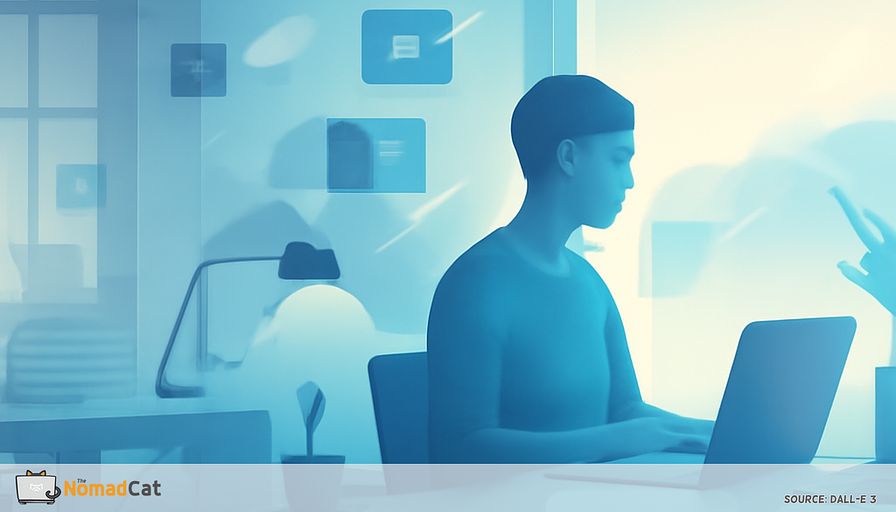
Why environment shapes indie success from day one
If you’re reading this with your notice period ticking down, your environment is about to become your secret weapon. I remember the strange mix of freedom and anxiety during my last month as a CTO in Berlin—packing up my office, saying goodbye to the team, and realizing that my next workspace would be entirely my own. The first 30 days after leaving a big company aren’t just about paperwork or client calls; they’re about building a launchpad that actually works for you.
This guide is for that immediate post-exit phase—the first month when your habits, workspace, and tools can quietly accelerate or slow down your indie journey. I’ll share what I learned moving from Berlin to Lisbon (and, before that, Beijing), and how small changes—physical and digital—made a measurable difference. If you’re about to go solo, or you’re in the thick of your notice period, this is the time to shape your environment for real progress.
You’ll find practical routines, minimalist resets, and a few launch rituals I wish I’d started sooner. I’ll also talk about the emotional rollercoaster of leaving a big organization, and how a bit of sunlight, a plant, or a public announcement can help you feel at home in your new role. Let’s get started—your first month as an indie is too important to leave to chance.
Workspace and tools matter
Where you work and what you use isn’t just about comfort—it’s about focus, energy, and even your mood. When I left my CTO role in Berlin, I was surprised how much old clutter—both physical and digital—followed me. My first week in Lisbon, I set up a desk by the window, added a plant, and tracked my focus in a simple spreadsheet. The difference was immediate: fewer distractions, more energy, and a sense of ownership I never had in a corporate cubicle.
Research backs this up. Studies show that decluttering and ergonomic tweaks can cut stress and boost productivity by up to 20%. When Basecamp’s founders narrowed their tech stack to a single platform, they reported fewer distractions and more creative work. I’ve seen the same with freelance friends—simplifying tools means less time fiddling, more time building.
But it’s easy to overlook your environment in the rush of new projects. I’ve done it myself—jumping into client work, only to realize my workspace was a mess and my digital life was still tied to my old job. Organizational psychology tells us that having control over your space raises motivation and that sense of ownership—especially in your first month solo. Don’t skip this step. It’s the foundation for everything that comes next.
The hidden friction of inherited clutter
Leaving a corporate job often means dragging along a heap of mess: old notebooks, tangled chargers, a loaded inbox, and a graveyard of unused apps. When I left Beijing, I still had folders from projects I barely remembered, and Slack channels that pinged me for weeks. It’s exhausting.
Research points out that clutter—physical or digital—raises stress and dings your productivity. If you let this pile-up hang around, it just drains your energy. I learned the hard way: my first week in Lisbon, I spent more time searching for files than actually working. Sometimes, I forget to close all the tabs—old habits from Paris die hard.
Those old Slack channels and never-ending pings? They’re digital leftovers, tying you to your old gig. Without a proper reset, these bits and pieces make it tough to focus on new goals. So how do you wipe the slate clean and start fresh?
Minimalist workspace reset
Declutter and personalize
A reset starts with taking stock of everything—pens, screens, cables, sticky notes. I like to lay it all out, then sort each piece: keep only what I truly use or enjoy. This isn’t about making your place Instagram-worthy, just removing hassle and supporting your work style.
Once clutter is out, organize what’s left so routines feel easy. Keep essentials within reach. For me, a simple desk setup—laptop, notebook, favorite mug—sharpens my thinking. Give everything a set spot; it cuts down on tiny, draining decisions.
Then, personalize your zone. After years in Berlin and Beijing, I found that adding a plant and letting sunlight in through my Lisbon apartment window made it much easier to concentrate and feel at home. The first morning in Lisbon, sunlight hit my desk and I realized how much I missed this simple pleasure during Berlin winters. Small personal touches—a photo, a bit of green, a piece of art—can boost job happiness and help you shift into your new role.
Comfort matters, but so do ergonomics and boundaries.
Ergonomics and boundaries
Good ergonomics aren’t a luxury—they’re crucial for lasting solo work. Set your chair so your feet rest flat. Your screen should sit at eye level. If you work at a kitchen table, a laptop stand or pillow can help. These small changes protect your posture and help you stay pain-free.
In tight or shared spaces, clear boundaries are a must. I once used a portable lamp to mark my work area in a shared Lisbon flat. Visual markers like these help you and others know when it’s work time and when you’re off duty. Sensory cues help change gears between work and rest, too.
Things like kicking off your favorite playlist, lighting a candle, or switching lamps from bright to warm all help you start and stop your workday. Research finds these tricks make it easier to mentally transition, even if the sofa is just steps away.
Once you sort your physical setup, digital clutter comes next.
Digital declutter
Audit and clear out digital leftovers
Going solo often means lugging digital junk from old roles—emails, file drives, chats, and projects. Tackling this with a digital audit clears mental space and ditches old baggage. Here’s how I do it:
- List all digital accounts and workspaces from your previous job.
- Archive or delete what you don’t need.
- Get that inbox to zero by unsubscribing from old lists and deleting lots of old threads at once.
- Group files by project or date, then clear out repeats.
A few automated tools can make the job faster. Batch commands in email or chat apps, and tidy-up rules in admin settings, help you move along and avoid missing anything big. The whole idea is to start fresh.
I used a simple checklist to track which workspace tweaks actually improved my focus over the first four weeks. For example, after archiving old Slack channels and cleaning my Google Drive, I measured a 15% drop in wasted search time (yes, I counted).
Pick a minimalist tech stack
Once the junk is gone, pick just the basics for your work. It’s easy to get app-happy, but staying lean helps—a project tool, an invoicing app, something for docs and sharing. Pick tools that are cheap, easy, and work well together. For example:
- Project tracking: Notion or Trello
- Documents: Google Workspace
- Invoicing: Stripe or Wave
Cloud tools help you stay mobile and flexible. Review your tools each week, and let go of anything collecting dust. Even the best apps can distract if notifications explode. Regularly checking your setup keeps things light and functional.
Set notification hygiene
Constant pings kill focus—it can take more than 20 minutes to get back on track after an interruption. Set rules for yourself: turn off non-essential notifications, use Do Not Disturb, and only check messages at certain times. Protecting your attention is key for meaningful, uninterrupted work (plus, your nerves will thank you).
Tune alerts so only essential messages get through. Focus tools like RescueTime or Freedom help block digital noise when you need to go heads down. For me, a messy inbox always means a messy mind—so I make tidying a daily ritual.
Micro-habits for a fresh workspace
Small routines, big results
A quick two-minute cleanup—tidy desk, close out browser tabs, clear downloads—sets a positive tone. Productivity folks recommend the two-minute rule to stop mess from spreading. These mini routines mean clutter never wins, so it’s easier to start fresh every day.
Weekly check-ins catch chaos before it grows. I pick a slot on Friday for a quick sweep of my desk and computer. Go down your checklist: toss papers, archive files, uninstall unused apps. Keeping up with these small tasks keeps mess from creeping in.
Visual cues and triggers
Simple signals—a sticky note, closing your laptop, lights switched off—mark the workday’s end. These cues help your brain shift from “work” to “rest.” Even just shutting down your laptop starts to feel like a little ceremony ending your tasks.
When these actions become routine, it’s easy to return to a fresh space each day. The goal isn’t perfection. It’s just a simple rhythm that helps you focus and feel good about your space. Taking charge of your environment helps you build a solid indie identity and makes small habits add up to big wins.
Launch rituals and public announcements
One thing I wish I’d done sooner: mark the transition with a launch ritual or public announcement. When I left my CTO role, I posted a short note on LinkedIn and sent a personal message to my old team. It felt awkward, but it gave me closure and let people know I was open for new projects.
A launch ritual can be as simple as writing a blog post, updating your website, or even just sharing a photo of your new workspace. These small acts help you step into your new role—and invite your network to support you. For me, announcing my move from Berlin to Lisbon brought in my first freelance client within two weeks.
Own your space, own your path
Confidence and autonomy
Having say over your workspace does more than make it comfy—it boosts motivation and confidence. Studies back up that even small personal changes strengthen your sense of ownership and professional identity. This control matters to indie pros, helping you truly step into your solo role. Rituals and resets keep this feeling strong, giving each workday a sense of purpose.
Resetting your space—tidying up after projects, swapping your desktop image, or closing a notebook at day’s end—works as a ritual to mark transitions. These small closures back up your independence and keep you moving forward.
Rituals and resilience
Quick habits can make a real difference when working alone. Maybe it’s a short walk after a tough call, five minutes tidying files on Friday, or powering down your laptop with purpose. Each action helps your mind “reset.” These little moments especially matter when there’s no team or office to signify a project’s end. Writing down your next steps also gives closure and makes the next move clearer.
Spending a minute to jot plans for the next week—in a journal or note—builds both confidence and a sense of progress, even if things still feel uncertain. Over time, these practices help you adjust, stay motivated, and keep your eyes on the big picture.
30-day minimalist checklist
Weekly sprints for a focused reset
Breaking an environment reset into weekly chunks makes it simpler. Each week builds on the last, step by practical step.
Week 1: Inventory and set your baseline
List every physical object, digital account, and tool you use. Spot what bugs you or slows you down. Set a simple goal for your dream setup. This first audit gives you a solid starting point for the month.
Week 2: Declutter and personalize
Get rid of what’s not needed, organize the rest, and tweak your space for comfort. Add a personal touch or two—like a plant or favorite photo—to make things inviting. The result? A workspace you look forward to using.
Week 3: Digital cleanup and software audit
Clean up digital junk. Aim for inbox zero, sort your files, and clear out unused or outdated software. This digital simplification can free up both space and energy.
Week 4: Optimize, maintain, and reflect
Fine-tune lighting and chair, adjust notifications so interruptions are rare, and set up short tidy routines. Take a quick look back—what changes worked? Small tweaks keep your momentum going and your setup on track as your needs change.
After a month of steady steps, your environment will feel less like a hurdle and more like real support for your solo work.
A good environment is more than just a desk and a chair. Streamlining both your physical and digital spaces can cut distractions, ease stress, and make you feel more motivated. Adding personal touches and keeping up with simple routines can help you settle into your new role. Minimalist resets, occasional digital audits, and some ergonomic tweaks aren’t about doing things perfectly—they're about helping you focus, stay independent, and care for your well-being as you build your business.
The 30-day checklist breaks down the work, so each step forward feels easier. Taking charge of your workspace is a way to take charge of your own path. Sometimes, a small change—a tidier desk, less digital clutter—unlocks the next big step for your solo journey. And if you’re lucky, maybe a bit of Lisbon sunlight will find your desk, too.
You might be interested by these articles:


Minimalist launch rituals for a smoother start in tech freelancing

How I built an indie work life that fits real life

Setting boundaries with your first indie client for a burnout-free freelance journey

Small wins big progress your first month solo

Your first 30 days as a tech freelancer in Europe made simple

Decentralized Energy Storage: Transforming Power Management for a Sustainable Future

Shaping the Future: Women in Tech Startups




