Abstract:
The article addresses the often-overlooked physical toll of long, focused coding sessions and deadline sprints in the tech world, particularly for remote and independent workers who lack external reminders to take breaks. It explains how subtle early warning signs—like stiff shoulders, sore wrists, and tired eyes—are easy to ignore but, if left unaddressed, can lead to chronic pain, fatigue, burnout, and even serious health issues. Standard break advice frequently fails because it doesn’t fit the unpredictable, high-pressure realities of solo tech work. The article proposes the minimalist two-minute reset: a flexible, practical strategy involving brief, desk-friendly activities—such as the 20-20-20 rule for eyes, micro-movements for posture, hand stretches, and calming breathwork—that can be integrated naturally into busy workflows. Unique personal anecdotes, like a freelance developer’s post-Git push breathing ritual or the author’s own "test and tweak" approach to quick resets during a product launch, illustrate how these small pauses can be adapted to individual routines. The piece emphasizes that these micro-breaks, backed by science, are not just for temporary relief but are essential, sustainable habits that help maintain health, focus, and productivity without disrupting workflow—making them especially valuable for those working alone or under deadline pressure. By pairing resets with existing habits and viewing them as performance boosters rather than interruptions, tech workers can protect their wellbeing and efficiency, proving that even a tiny pause can yield significant benefits.
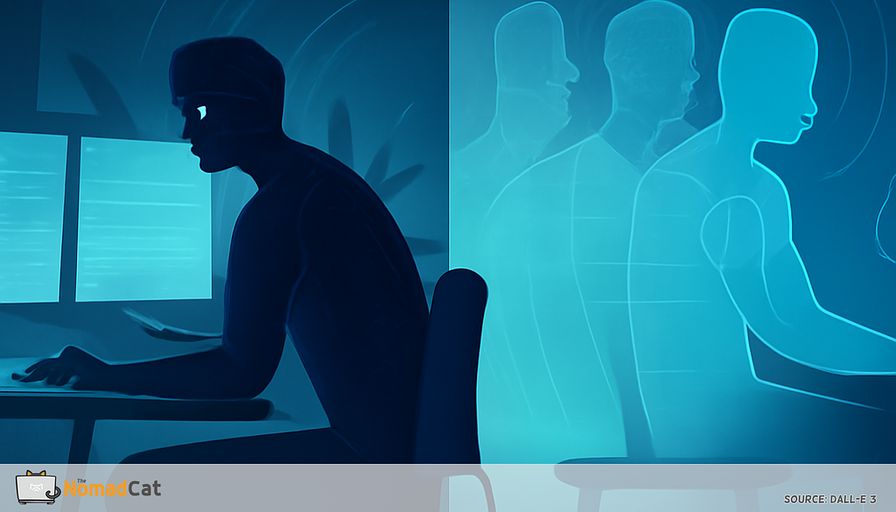
Pushing through a long coding session or racing to meet a release always feels like a badge of honor in tech. I’ve lost count of the times I’ve looked up from my screen in Berlin or Lisbon and realized the sun had set hours ago. My focus sharpens, time blurs, and then—bam—my shoulders are rock solid, my eyes sting, and my wrists start to tingle. These aren’t just little annoyances; they’re the first warnings that, if ignored, can snowball into real trouble for anyone glued to a screen for too long.
I want to share what really happens when you skip breaks during deep work, and why the usual advice (“just stretch every hour!”) never worked for me—especially as a remote worker and freelancer. I’ll walk you through my minimalist two-minute reset: a flexible, no-fuss method I’ve used everywhere from Beijing coworking spaces to my tiny Lisbon flat. You’ll find simple ways to ease eye strain, care for your posture, and loosen up your hands—no fancy gear, no leaving your desk. I’ll also show you how I catch my body’s early warning signs, set up reminders that actually work, and make these tiny resets a natural part of my day.
By the end, I hope you’ll see these small resets aren’t just a quick fix, but a real way to stay healthy and focused—without losing your flow. Whether you’re in crunch mode or just want less tension at the keyboard, these easy moves can help, one short pause at a time.
The hidden cost of deep work and deadline sprints
Losing track of your body during deep focus
I know the feeling all too well—hours disappear into code, the world outside fades, and suddenly it’s pitch black outside my Lisbon window. During product launches or those endless bug hunts, I get so locked in that I forget to move, blink, or even breathe properly. My muscles stiffen, my eyes burn, and I start to feel welded to my chair. I’ve read that up to 60% of tech workers report neck, shoulder, or back pain, and digital eye strain is almost a rite of passage. These risks sneak up, but they’re real—and I’ve felt every one.
Overlooking small warning signs
Trouble always starts small. For me, it’s a stiff neck or a sore spot between my shoulder blades. Sometimes my hands tingle, my eyes blur, or I catch myself barely breathing. These are my body’s nudges, but it’s so easy to brush them off: “Just one more edit,” or “I’ll move after this deploy.” I’ve learned the hard way—ignoring these cues can lead to bigger problems. I once had to explain to a doctor in Beijing that my arm froze up after a week of 14-hour days. Not my proudest moment.
Long-term consequences of ignoring your body
Why do I (and so many others) skip breaks, even when we know better? For me, it’s a mix of habit, pressure, and the addictive pull of deep work. But ignoring the signs doesn’t just mean a sore back. It can turn into chronic pain, constant fatigue, and even hospital visits. I’ve seen friends burn out or end up with serious injuries after marathon coding sessions. The lesson: not looking after your body during a big push isn’t just tough—it can have lasting effects.
When break advice doesn’t work
People love to say, “Just take regular breaks and stretch!” Sounds simple, but in reality—especially when I’m working solo or remote—those rules go out the window. No teammates to nudge me, no boss to check in, so I end up glued to my chair. I remember during a crunch for a fintech launch in Beijing, I ignored every reminder app and just powered through. My productivity tanked, and my body paid the price. Strict routines never stuck for me, especially when I set my own schedule and the workload is heavy.
Real risks of skipping breaks
Skipping breaks isn’t just a minor slip. It ramps up the risk of back and neck pain, eye problems, and burnout. I’ve seen the numbers: over half of remote tech workers report regular discomfort, and solo workers are even more at risk. Self-care slides down the list when deadlines loom. What’s needed is an approach that fits real tech jobs—not just what the guides say.
Why minimalist resets work for independent tech pros
Working independently means I set my own hours, but it also means no one’s looking out for me. Instead of rigid routines, I found that minimalist resets—quick, two-minute pauses—fit naturally into my high-pressure days. They’re easy to mix in, don’t break my focus, and help me stay comfortable and productive. Sometimes, I just need to shake out my arms, even if it looks a bit silly.
What is a two-minute reset
Minimalist relief for tech crunch
When I can’t even step away for coffee, I still have time for a quick fix. A two-minute reset is exactly that: a super-short break, right at my desk. No special tools, no setup, no need to move far. Whether I’m stuck in code or bouncing between tabs, these resets happen right there, no matter the deadline. Their flexibility is the magic—they fit most workflows, even during intense moments. I once read a study from the University of Waterloo showing that even 1–2 minute breaks every half hour can cut muscle fatigue and boost energy.
Why two minutes matter
Just a quick pause—one or two minutes—can loosen tension, help me refocus, and bring down stress. Sure, longer breaks are great, but these quick resets deliver real value, especially when I can’t step away for long. Small steps keep the aches away and my mind clear, even if work stretches on for hours. It’s not about perfection—just making any break better than none.
Flexible, stealthy, and built for real tech life
Instead of sticking to a set schedule, I squeeze in two-minute resets whenever I can: between tasks, during a slow build, or while waiting for a call. This low-key approach means I don’t have to interrupt my flow. I’ve found these quick resets are easy to stick with, even when my day is unpredictable. So, when are resets most helpful, and why do they matter for anyone working solo?
When breaks matter most
High-pressure moments
The times I most want to power through—late nights, prepping a launch, or chasing a bug before the deadline—are exactly when I miss my body’s warnings. These tough, high-stress hours are when signals get ignored. But I’ve learned (sometimes the hard way) that a quick reset in these moments helps most.
Tiny resets, big payoff
A quick reset as soon as discomfort starts can make a giant difference. Doing something small early on can stop bigger issues later, keeping my performance steady and health intact. A tiny pause now can prevent a major setback later—helping my focus, health, and ability to stay independent.
The minimalist reset toolkit
I’ve tried all sorts of routines, but these are the ones that stuck—simple, fast, and doable anywhere. Here’s what I use, plus a few minimalist workspace hacks I picked up along the way.
Fast relief for tired eyes
- 20-20-20 rule: Every 20 minutes, look at something 20 feet away for 20 seconds. If I can’t, I just close my eyes or focus on a distant object. Sometimes I use a digital prompt or a sticky note on my monitor.
- Why it helps: This rest relaxes my eyes, prompts blinking, and helps prevent computer vision syndrome. I used to think tired, dry eyes were just part of the job, but this trick really helps.
- Making it a habit: I tie it to work milestones—like after each code push—or use a browser extension. In Berlin, I set up a tiny plant on my windowsill as my “20-foot” target.
Micro-moves for posture and comfort
- Chair wiggles: Rolling my pelvis or doing seated marching (just tapping my feet) breaks up long periods of stillness.
- Shoulder circles: If I can stand, I shake out or do a few shoulder rolls. Even in a café or coworking space, I’ll shrug my shoulders and roll them back. Sometimes I just need to move, even if it looks a bit silly.
- Workspace hack: In Lisbon, I use a stack of books as a standing desk. It’s not fancy, but it lets me switch between sitting and standing without spending a cent. Good lighting helps too—I use a cheap LED lamp to avoid eye strain, a trick I picked up in Berlin’s gray winters.
- Fact: According to a 2022 study, alternating between sitting and standing every 30 minutes can reduce lower back pain by up to 32%. That’s a big deal for me.
Quick resets for hands and wrists
- Finger stretches: Gentle finger stretches, wrist bends, and spreading my fingers wide. No tools needed.
- Why it matters: These moves keep my hands and wrists nimble and less tired, which is crucial with all the typing and clicking.
- Personal tip: After a week of marathon coding in Beijing, my wrists were so stiff I could barely hold chopsticks. Now, I stretch my hands after every code push—no exceptions.
Instant calm with breath and upper body moves
- Breathing techniques: Box breathing (inhale, hold, exhale, hold for equal counts) or sigh-based breathing (two short inhales, one long exhale). These are nearly invisible, perfect for busy spaces.
- Neck rolls and shoulder shrugs: A few seconds spent rolling my neck or relaxing my shoulders helps tension melt away, even while waiting for a build.
- Sensory detail: Sometimes, after hours at the screen, I feel like my shoulders are up by my ears. A deep breath and a quick roll bring them back down—feels like letting out a sigh after holding it in all day.
Recognizing the right moments for a reset
Spotting subtle signals
It’s easy to miss the first signals, especially when I’m deep in a tough task. I look out for blurry eyes, tingling fingers, tense shoulders, or holding my breath. I’ve learned that these whispers are the best time to act and reset. Noticing these hints quickly helps me avoid bigger problems later.
Acting before discomfort turns into pain
The trick is to catch discomfort early. A quick reset as soon as I feel eye strain or tight muscles works better than waiting for real pain. These fast actions help more and keep me productive.
Analog and digital cues that work
- Physical reminders: Sticky note on my screen, a token on my keyboard, or an old-school timer. Always in sight.
- Digital prompts: Break reminder apps or smartwatch nudges. I set mine to ping after each code push or meeting.
- Personal hack: In Lisbon, I use a tiny bell on my desk—when it rings, I reset. Not perfect, but good enough for me.
Making two-minute resets part of your workflow
Habit-stacking with daily routines
I’ve found that pairing resets with things I already do makes them stick. Here are a few ways I fit them in:
- Stretch my hands after every code push
- Do a small posture reset before each video call
- Take a slow breath before sending out a message
- Stand up and shake out during long builds
When resets are visible and simple—using sticky notes, digital reminders, or workflow triggers—they’re much more likely to stick around. Behavioral science backs this up: linking a new habit to an old one makes it easier to remember.
Balancing work-life boundaries
As a freelancer, it’s easy to blur the line between work and life. I used to work late into the night, thinking I was being productive, but I’d wake up sore and foggy. Since making two-minute resets a habit, I’m less tired, my mood’s better, and I actually get more done. It’s not perfect, but it’s a big improvement. Sometimes, just standing up and stretching is enough to remind me to log off and go for a walk—something I never did in my early freelance days.
Seeing resets as performance boosters
Changing how I think about resets helped a lot. Micro-breaks aren’t slacking off—they’re recharging my batteries. There’s research showing that even short breaks can boost output, spark creativity, and help you bounce back from stress. When I treat resets as part of my workflow, not an optional extra, the guilt disappears. My days feel smoother, and I’m less likely to burn out.
Real-world reset rituals from my tech journey
How I weave resets into busy days
When I was freelancing in Berlin, juggling three clients at once, I’d pause for a one-minute breathing reset after each Git push. It became a ritual—kept my nerves steady, even when the pressure was high. In Beijing, I’d stretch my hands between meetings, sometimes sneaking in a neck roll off-camera during endless video calls. I even started using mini Pomodoro breaks—just five minutes—to do a quick stretch or step onto my makeshift standing desk.
I’ve met other remote workers who do the same—shrinking classic techniques to fit real schedules. A friend in Lisbon uses two-minute meditations, another does a quick walk around the block. Sometimes, a breath or a quick loosen up is all you need. These tweaks show that proven strategies can flex to meet busy, modern work realities.
My go-to two-minute reset during product launches
During a high-stakes product launch, I found that a simple combo—shoulder rolls, a quick hand stretch, and box breathing—helped me reset quickly and stay focused. I’d watch which moves worked best, adjusting the order like tuning lines of code. Over time, this “test and tweak” approach showed me which moves made the biggest difference under pressure. Trying out and tracking resets helped me find what works best, especially during a crunch.
Recovering from burnout
I’ll be honest—there was a time, after moving from Beijing to Lisbon, when I hit a wall. Too many late nights, too much screen time, and not enough movement. My body felt heavy, my mind foggy, and I started dreading work. Adopting these minimalist resets—just a stretch here, a breath there—helped me claw my way back. It wasn’t a miracle cure, but it was the first step to feeling human again.
Why science backs minimalist resets
Small breaks, big benefits
If you can’t take a long break, don’t worry. Studies show that just one or two minutes of moving or stretching every half hour lowers discomfort, improves posture, and reduces tiredness. Even super short breathing exercises help. The main point: even short pauses help mind and body, especially when work goes on for hours.
Minimalism makes healthy habits last
Minimalist resets aren’t just easy—they’re the most likely to stick. The less fuss, the more I repeat them. No fancy gear, nothing complicated—just a small move or breath wherever I am. That’s why these two-minute resets make sense for tech professionals who want to keep going strong but rarely pause. For me, it’s like healthy habits on auto-pilot—no spreadsheets necessary.
Working nonstop at the screen might feel good for getting things done, but skipping small breaks chews away at both comfort and focus. A two-minute reset is a simple, proven way to keep your body safe and your mind on point—no fancy plans or strict routines needed. Just a stretch, a breath, or a glance away can melt tension and boost energy even during the busiest sprints. These mini resets fit real workflows, making better habits feel easy. By listening to subtle body signals and weaving in resets, you can work smarter and with less pain—no need to lose momentum. Sometimes, a tiny pause brings the biggest return.
You might be interested by these articles:


Small moves big impact for solo tech days

Invisible ergonomics making healthy work habits stick anywhere

Why moving beats perfect posture for comfort and focus at work

Micro-check-ins for solo tech workers

why intentional pauses make tech careers stronger

Gesture Control Technology Applications

Revolutionizing Tech with Quantum Computing