Micro-breaks that really work how tech workers can recharge without screens
Abstract:
The article explores how tech professionals, often overwhelmed by digital distractions and extended screen time, can use simple, analog micro-breaks—brief, intentional pauses like stretching, mindful breathing, or doodling—to restore focus, boost creativity, and reduce mental fatigue. Drawing on both scientific research and real-life routines, it emphasizes that not all breaks are equally restorative: analog activities away from screens are far more effective than default digital habits such as checking emails or social media, which can worsen fatigue. The piece advocates a minimalist approach, encouraging readers to develop a flexible "menu" of micro-breaks suited to their needs, and to embed these pauses at natural transition points in the workday using tactile prompts or personal cues. Unique insights include personal observations of how stepping away to water a plant or enjoy a city view proved more refreshing than digital breaks, and practical tips for keeping routines fresh—like rotating break types, using analog reminders, and gently reflecting on which breaks actually help. The key message is that keeping micro-breaks simple, analog, and adaptable makes them both effective and sustainable, helping tech workers renew energy and creativity without adding stress or turning rest into another productivity task.
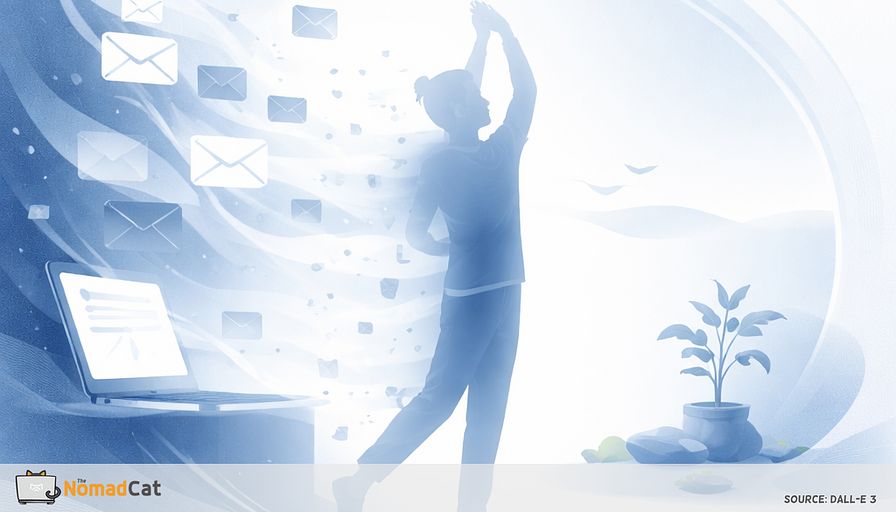
In a world packed with pings, pop-ups, and endless notifications, getting real rest can seem almost impossible—especially for tech professionals glued to screens for hours. But both research and lived experience say the same thing: even small pauses can bring big relief. This article explores what makes micro-breaks work—those short, intentional pauses that clear your mind and boost focus, without adding another item to your to-do list.
You’ll see why quick stretches or mindful breaths can recharge you, how minimalists use these moments to make space for better thinking, and why some breaks help more than others. There’s a practical guide to creating your own menu of analog micro-breaks, tips for keeping each pause restorative, and ideas for making these habits fit into any busy workday. Everything here comes from research and real routines, aiming to give simple ways to recharge—without just swapping one digital distraction for another.
If stepping away for even a minute sounds nice (or maybe just possible), this piece offers tools and ideas to help make micro-breaks a regular, valuable part of the daily work rhythm.
Why micro-breaks work
Short pauses restore the mind
Short breaks do more than just interrupt your day. They actually help the brain reset. For example, EEG scans show that even a minute of pause can restore attention and reduce brain fatigue. Memory research finds that stepping away for a moment helps with focus and recall. These aren’t just theories—they show up in everyday work, too. Beyond sharper focus, breaks give your mind a chance to connect ideas and think more creatively.
I use a simple reset ritual: after every 90-minute work block, I take a 5-minute analog break—stretching or tending to my garden, a habit I picked up after moving to Lisbon. This rhythm, sometimes called the 90-minute focus cycle, is backed by research on ultradian rhythms. It helps me avoid that foggy, burnt-out feeling that used to creep in by mid-afternoon.
Micro-breaks and creative sparks
A lot of people get their best ideas when daydreaming or letting their minds wander—like while out for a walk. Science supports this. Easy, low-effort breaks where your thoughts drift can spark creative solutions. For tech workers spending long hours in deep focus, letting your mind roam during a short break can be the secret behind the next big idea.
The tech worker’s need for true restoration
Long periods of coding or managing tech projects can quickly drain mental energy. Simple interruptions aren’t enough. You need breaks that actually refresh you. Research in offices shows that regular, well-timed pauses help tech workers keep focus and avoid burnout. The key is to treat breaks as a way to recover, not just to fill time with more screen use. Minimalism offers a new way to view these pauses by shifting from just breaking up work to actually renewing yourself.
Minimalism and mental white space
Minimalist thinkers often talk about micro-breaks as a way to make “mental white space”—meaning some clear, open room in your head, free from clutter. By stepping back, if only for a minute, it’s possible to cut mental overload and find clarity. This idea shows practical benefits for anyone feeling overwhelmed or wanting more focus during the workday.
Intentional breaks for deliberate living
For those who value minimalism, breaks aren’t just time-outs. They’re ways to live and work on purpose. When you pick a pause on purpose, it helps cut through the noise and makes it easier to decide what’s most important. This might mean stepping outside, stretching, or just breathing—simple acts that refuel you. But not every break helps. Some can actually leave you feeling worse. The trick is to choose breaks that match your needs and values.
Default distraction versus designed renewal
Energy-draining default breaks
It’s easy to slip into default habits like grabbing your phone, checking social media, or browsing the web out of routine. Surveys show these digital pauses are some of the most common. While it might feel like you’re getting a rest, most of these breaks don’t do much to recharge you. In fact, they can sometimes leave you more drained.
Why? These habits add more mental clutter and stress. For example, checking emails or social feeds can push more information into your brain right when you needed a mental reset. This can cause digital fatigue and leftover restlessness, instead of relief.
When breaks are just another excuse to stare at a screen, they sap your motivation and focus rather than restore it. Instead of helping productivity and well-being, these routines sometimes make both worse.
The real difference comes from how you use your pause, not simply stepping away for a few minutes.
What makes a break restorative
One clear difference between helpful and harmful breaks is the activity you choose. Many minimalists and productivity thinkers suggest analog, physical breaks—like stretching, walking, or mindful breathing—work better than scrolling through your phone. Analog pauses put actual distance between you and your screens, which seems to do wonders for clarity and energy. For example, a quick stretch or some deep breaths often bring more energy than a social media check.
Let me tell you a story. When I first moved from Berlin to Lisbon, my routine changed completely. In Berlin, I’d take breaks by scrolling through news or Slack—never really feeling rested. But in Lisbon, I started stepping out onto my tiny balcony, letting the sun hit my face, or watering the stubborn basil plant I kept alive against all odds. The difference was striking. Even five minutes away from screens, feeling the breeze or hearing the city’s slower rhythm, brought back my focus in a way scrolling never did. Sometimes, I’d just watch the laundry fluttering on the neighbor’s line—simple, yes, but it felt like a small reset button for my brain.
Here’s a simple list of energy-draining versus energy-replenishing breaks:
-
Energy-draining breaks:
- Checking email or negative news
- Scrolling social media
- Continuing work tasks
-
Energy-replenishing breaks:
- Stretching or walking
- Brief chats or deep breathing
- Meditative or sensory exercises
Activities like movement, mindfulness, and analog pauses boost mood and focus, while passive tech use often lowers energy.
Let’s look at how you can build your own menu of refreshing micro-breaks.
A minimalist menu for micro-breaks
Building your micro-break menu
A minimalist approach to breaks is about having choices—a simple “menu” of analog micro-breaks you can use anytime. Each one feels a bit different, and you can try several during the day. This menu isn’t strict. It’s there to help you refresh your body and mind without falling back into digital habits. Ideas from thinkers like Jake Knapp and Jocelyn K. Glei suggest the more flexible the menu, the likelier it is you’ll find something that fits the moment.
Types of minimalist micro-breaksHere are practical examples of break types:
- Tactile breaks: Handle a smooth stone, knead a stress ball, or touch the leaves of a plant. These connect you to your sense of touch and bring calm. Sometimes, I carve a small piece of wood at my desk—a new hobby since moving to Lisbon. The scent and feel of the wood, it grounds me.
- Movement breaks: Stand up for a stretch, walk to the window, or do shoulder rolls. Even a quick stretch can shake off tension.
- Sensory breaks: Look out of a window, get a breath of fresh air, or just listen to local sounds. Letting your senses reset brings a gentle change.
- Creative breaks: Doodle, draw shapes, or write playful words on paper. A burst of creativity, even for a moment, can spark new ways of thinking.
- Mindful breaks: Try deep breathing, a quick body scan, or short meditations. Mindfulness breaks are proven to reduce stress and boost attention.
Each type brings a unique benefit. Some days, a tactile break grounds you, other days, a walk or doodle does the trick.
Simple examples to tryTrying different breaks keeps things interesting and stops routines from going stale. Here are easy breaks to start with:
- Listen to a favorite song with no screens involved
- Doodle for five minutes on a sticky note
- Hold a smooth pebble or touch a wooden desk
- Practice three slow breaths with closed eyes
- Stretch overhead or walk around the room
- Gaze at a plant or sky for a minute, letting your mind wander
Switching up your micro-breaks from day to day helps each pause stay energizing. The key is simplicity and sticking to analog options.
Keeping breaks freshRotating your breaks is a straightforward way to avoid boredom. When you always use the same break, it loses its effect—like an overplayed song. Small changes, like shifting the type or time of your break, can spark creativity and reset the mind more completely. Keeping routines varied but simple is usually best.
A sample weekly micro-break scheduleIf you want a framework, here’s a simple weekly structure I’ve used:
- Monday: Movement breaks—stretch or walk every 90 minutes
- Tuesday: Mindful breaks—deep breathing or body scan after each meeting
- Wednesday: Creative breaks—doodle or write a haiku after lunch
- Thursday: Sensory breaks—step outside or listen to city sounds mid-morning and mid-afternoon
- Friday: Tactile breaks—carve wood, knead a stress ball, or water plants between tasks
After a week of analog breaks, I noticed my afternoon energy dips were less severe—a small but real improvement. Not a miracle, but enough to make workdays feel lighter.
How to experiment and find what worksTesting out different micro-breaks is a laid-back way to see what really works for you. Here’s how to build a personal system without pressure:
- Pick one new break each day or week.
- After the break, notice how you feel—more relaxed, focused, or energized?
- Add or drop options based on what feels restorative.
- Rotate break types to keep things effective and fun.
This simple approach, supported by studies, helps anyone personalize their break routine for better focus and well-being.
Designing break habits for your workday
Audit your current breaks
A good first step for better breaks is noticing your current patterns. Try jotting down when you take breaks, what you do, and how you feel afterward for a few days. You don’t need fancy tools—a notepad or digital doc is fine. The goal isn’t tracking every minute, but seeing if your breaks leave you more refreshed or just tired.
You might ask:
- What time was the break?
- What did I do?
- Did my energy go up or down?
Little check-ins like this help spot which pauses actually work for you. Gentle reflection, not strict tracking, brings improvements. Being flexible makes it easier to see which breaks actually help. A flexible, mindful review of habits leads to better choices without the burden of perfection.
Experiment and iterate
Finding your ideal micro-break style takes some trial and error. Test movement, mindful, sensory, or creative breaks, then check in on your mood and focus after each. Some might find a short walk helps in the afternoon, while breathing exercises work best after meetings. Adjusting as you go keeps things effective and interesting.
A few principles:
- Keep what works and drop what doesn’t.
- Rotate break types to keep things fresh.
- Adjust breaks as your work or mood changes.
- Be open—what’s good now might change later.
This flexible style helps breaks stay useful and free of extra stress.
The 90-minute focus cycle
Here’s something concrete: I use a 90-minute focus cycle, working deeply for an hour and a half, then taking a 5-minute analog break. Sometimes I stretch, sometimes I water the basil, sometimes I just gaze out the window and let my mind wander. This rhythm, repeated through the day, helps me avoid burnout and keeps my mind sharp. It’s a small ritual, but it makes a big difference—especially on days when the work feels endless.
If you want to try it, set a timer for 90 minutes. When it rings, step away from your screen and do something analog—no phone, no laptop, just you and the world for five minutes. See how it feels.
Embedding micro-breaks in your work rhythm
Use transition points
The most effective micro-breaks come at natural transitions—like finishing a focused task or before starting a new one. Don’t wait until your work is all done. Take a pause after wrapping up a coding session or before a meeting. Breaks at these points renew attention and fight off fatigue so you can tackle the next job with more focus. For example, the Pomodoro Technique suggests a break after each work interval to keep energy and productivity up.
How do you spot these moments? Ending a stretch of emails, pushing code, or finishing a meeting can all mark good places to pause and reset. Seeing these natural breaks in your routine makes it easier to keep up the habit without feeling forced.
Analog prompts and minimalist cues
Analog cues provide a simple, friendly way to make refreshing micro-breaks part of the daily routine—without screens. These prompts nudge you to pause and recharge. Try these:
- Break cards: Keep a card on your desk as a reminder to take a break.
- Tactile objects: Have a smooth stone, stress ball, or wooden object near your keyboard.
- Break tokens: Move a pebble from one spot to another each break.
- Manual timers or hourglasses: Flip a timer at the start of work; when it runs out, pause.
- Sticky notes: Place personal reminders where you’ll notice them during your routine.
These tools are easy to personalize. Switch up the object or card every few weeks to keep it fresh and make breaks feel more natural and enjoyable.
A couple of tricks from the field:
- Some tech teams use a shared bell or object as a group break cue.
- Adding a plant or mug to your workspace can double as a visual prompt and a bit of comfort.
- A themed sticky note with a joke or drawing can signal it’s time to step back.
The main idea is to keep the process light and flexible. With analog cues and a bit of creativity, breaks can fit seamlessly into a minimalist work rhythm.
Lessons from reimagining breaks
Avoiding common pitfalls
Pausing to scroll through social media or check email is a habit for many tech workers looking for relief. But digital breaks don’t really lower stress or boost energy. In fact, these breaks can add mental weight and make it harder to focus again.
Another mistake is turning breaks into another tracked task, with strict schedules or apps. Over-systematizing makes breaks feel like another chore. Someone tracking every stretch or yawn soon finds the break is about the log, not the rest.
I remember, after leaving corporate life, I worried that without strict routines, I’d lose focus. But too much structure made me anxious—like I was building a cage out of my own good intentions. Flexibility, it turned out, was the real solution. The relief I felt when I let go of the tracking apps and just listened to my own energy—ah, it was like opening a window after a long winter.
Minimalist strategies can help avoid these pitfalls. By choosing simple, analog breaks and checking in regularly on how they feel, anyone can keep the benefits and skip the hassle. Easy routines could include:
- Choosing tech-free activities like stretching, walking, or mindful breathing.
- Reflecting each week on which breaks restore you.
- Skipping the urge to over-complicate—keep break rituals simple and in the moment.
Creative, mindful micro-rituals make breaks not just useful but a bit more fun, helping you enjoy the workday more.
Creative and mindful micro-rituals
Short, creative or mindful actions—like doodling, watching clouds, or running your fingers over a smooth surface—can lower stress and restore focus. Even a quick sketch or pausing to listen to nearby sounds can help you reset. These small acts are used by companies with creative cultures and are backed by research.
One reset ritual I love: after a tough call, I’ll step outside, close my eyes, and listen for the faintest city sound—a distant tram, a neighbor’s laughter, the clink of a coffee cup. It’s a tiny act, but it brings me back to myself, like a pebble dropped in a pond, sending out ripples of calm.
To keep breaks from getting dull or feeling like chores:
- Pick breaks that are enjoyable or soothing, not just another task.
- Change things up to prevent boredom.
- Allow for quick, spontaneous pauses—a deep breath or doodle can be enough.
- Be flexible and let mood or energy guide your choice.
These small, simple choices help micro-breaks become a natural, useful part of the day, supporting both focus and well-being without extra stress.
Keeping micro-breaks simple and sustainable
Letting go of productivity obsession
It’s easy to want to turn every helpful tip into a project to optimize or track. But over-systematizing breaks with apps or strict rules can backfire, making even rest feel stressful. Suddenly, instead of recharging, you’re worried about whether you hit your break goals or used your time “right.” Too much tracking can zap the motivation and natural cue for rest.
A lighter, mindful approach works much better. Micro-breaks don’t need a quota or score—they’re about feeling better and staying present. Regular reflection (not tracking) helps keep routines aligned with your needs, not turning them into another productivity contest. Flexibility and mindfulness are the ingredients that help these routines stick and support focus in the long term.
And for those of us balancing productivity with personal well-being—trying to earn enough money, but wanting more freedom—this is the real trick. Not every day is perfect, but keeping breaks simple and analog helps me stay grounded, even when the work piles up.
Reviewing and evolving your habits
The best micro-breaks are personal and able to change as needed. It’s helpful now and then to ask yourself, “Is this break still working for me?” As your workload, energy, or mood shifts over time, so might your need for certain breaks. Quick, informal check-ins on which breaks actually recharge you can make all the difference.
Analog, flexible, and personal micro-breaks tend to last the longest. The key is to keep things simple and open to change. Minimalist routines are about adapting as you go and letting breaks add value to both your work and your well-being. With gentle experimentation and a willingness to shift, micro-breaks can be a lasting, positive part of any tech worker’s day.
Rest, in a noisy digital world, is a bit like finding a quiet café on a busy street—rare, but worth seeking out. Micro-breaks—quick, analog pauses throughout the day—show that finding rest doesn’t have to be complicated. A breath at the window, a short stretch, a bit of doodling, or a moment spent enjoying a favorite texture can make work life more sustainable and creative. These routines thrive on intention rather than perfection, fitting naturally into your work’s ups and downs.
I know the anxiety that comes with building new routines outside the safety net of an office—the hope that maybe, this time, you’ll find a rhythm that lasts. Sometimes the best boost comes from the simplest pause, one that brings more energy, focus, and ease to your day. And, perhaps, a little more freedom too.
You might be interested by these articles:


why intentional pauses make tech careers stronger

Micro-check-ins for solo tech workers

Routines that spark creativity and balance work with passion

How natural rhythms make routines easier and more sustainable

Finding focus and flow by unplugging from digital noise

Navigating the CTO Career Path

Advancing AI with NLP Breakthroughs