Routines that spark creativity and balance work with passion
Abstract:
The article challenges the common tech-world perception that routines exist solely to boost productivity or prevent burnout, advocating instead for routines as a means to enrich all areas of life, including creativity, curiosity, and personal fulfillment. It offers practical strategies for integrating passion projects and learning into daily or weekly schedules, emphasizing that activities like music, gardening, or carpentry can add joy and energy to workdays—illustrated by personal accounts such as tech workers in Lisbon who find hands-on hobbies transformative. The author highlights approaches used by both companies (like Japan’s four-day workweek) and independent workers to make time for personal growth, recommending tools such as anchor blocks, theme days, habit stacking, and analog planners to keep routines flexible, visible, and enjoyable. The article warns against over-scheduling, noting that too much structure can sap the pleasure from leisure, and suggests minimalist, adaptable routines with gentle boundaries and micro-rituals to create smooth transitions between work and personal time. By blending work and play through intentional yet forgiving planning, and by using analog prompts and regular self-reflection, routines become supportive frameworks that foster satisfaction, motivation, and sustainable personal development rather than rigid checklists or sources of stress.
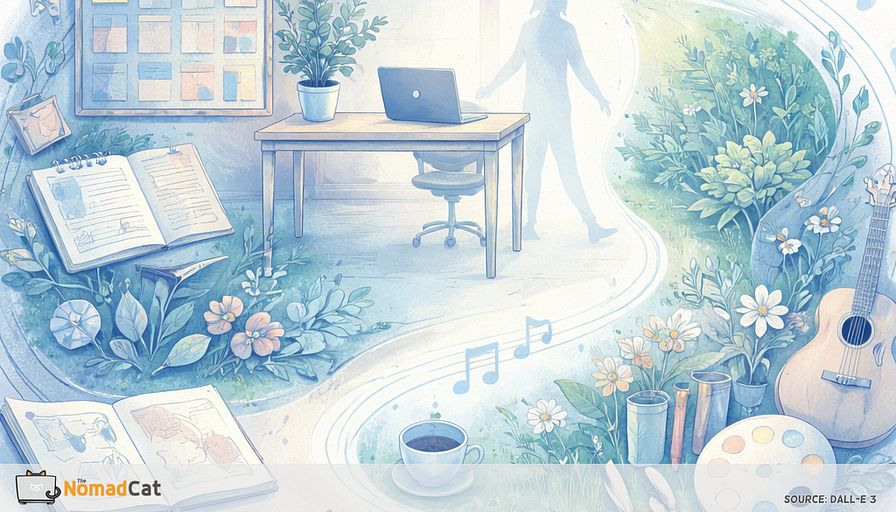
Routines often get a bad rap in tech because people see them mostly as a way to get more done at work or avoid burning out. But there’s much more to daily structure than just checking off tasks. Routines can actually create space for things that bring real energy and fulfillment—curiosity, creativity, and personal growth.
Here you’ll find practical ways to fit passion projects and learning into your daily or weekly life, even when work feels all-consuming. I’ll share how both companies and individuals make room for hobbies, skill-building, and hands-on activities—without making every hobby feel like a task. Real examples, including my own messy experiments as a tech minimalist and independent worker, show how small scheduling tricks and old-school tools can help routines stay fun, flexible, and worth sticking with.
This is a friendly, conversational guide to building routines that support every part of life—work and play, structure and spontaneity, balanced together. Whether you want time for music, gardening, or just a little more breathing room, read on for ideas to make routines something you look forward to, not just a chore.
Rethinking routines for the whole self
Beyond work-focused routines
In tech, routines often become about squeezing out productivity and avoiding burnout. There’s this sense that efficiency matters above everything else—leaving barely any room for new learning, hobbies, or just feeling human. But routines can be more than just a productivity tool. They can support the whole person, not just work tasks. When routines cover well-being, curiosity, and satisfaction, life feels fuller. This balanced approach is backed by research and real life, proving routines work best when they help all parts of life, not just work.
When companies support the whole person
Some organizations carve out time for more than just work and see great results. Employees often feel more satisfied, and productivity can actually improve. For example, a four-day workweek in Japan led to more time for learning and hobbies along with better job output. Flexible hours allow people to shift schedules toward personal projects or skill-building, which lowered burnout and supported long-term growth. When companies make space for personal pursuits, happiness and productivity both get a lift. But what about people working on their own, without these company perks?
The challenge of intentional planning for independents
For people flying solo in tech, the big struggle is about creating structure and being intentional, not just working longer hours. When I first moved to Lisbon after years in Berlin, I struggled to carve out time for carpentry projects—often letting urgent work tasks take over and pushing hobbies to “maybe next week.” Only after setting a fixed Saturday morning block did I see real progress. Without dedicated time, passion projects and creativity almost always get squeezed out by urgent work. Intentional routines—like carving out off-screen time for music, art, or reading—help keep these pursuits alive. Studies point out that scheduling time for learning or creative work is key for staying happy and satisfied in the long run. I’ve found that even a little structure can make a big difference.
Making time for passion and personal growth
Turning personal projects from wishful thinking into reality
A lot of tech workers leave intense jobs in hopes of having time to learn or create more, but unless they schedule these things, it often stays wishful thinking. Figures like Cal Newport have carved out regular blocks for focused work, writing, or guitar practice—treating these times as non-negotiable. Lara Hogan, for example, sets aside “growth time” for mentorship or self-learning. For me, I started logging my gardening hours each week, and after a month, I realized that even just two hours a week made a noticeable difference in my overall satisfaction. The common thread: scheduling personal projects makes them real. What matters most is making them a priority, not which project you choose.
Prioritizing what matters, whatever it is
Personal projects come in many shapes—open-source work, gardening, carpentry, or language learning. The point is to treat them as essentials, not just tacked-on extras. For example:
- Open source contributors block out weekly time for focused project work.
- Creative hobbies like music or art boost enthusiasm and personal growth.
- Even gardening can deliver a sense of progress and satisfaction.
This can make main work feel more energetic and meaningful too.
How hands-on hobbies can change your workday
After moving from Berlin to Lisbon, I noticed that hands-on hobbies like gardening or carpentry make my workday more enjoyable and add energy. Since settling in Lisbon, I find that making time for gardening and carpentry—it is really making me happier. I never took these things seriously in bigger cities, but here, after a week of daily gardening, I noticed my focus during morning work blocks improved, and I felt less stressed by the end of the day. There’s something about getting your hands dirty, feeling the soil, or sanding a piece of wood that resets the brain. Working with your hands seems to recharge motivation and bring fresh ideas. With these stories in mind, let’s see how routines can be built to support both work and passion so both get the attention they deserve.
Simple scheduling for personal projects
One useful way to stop personal projects from getting sidelined is to use a few simple scheduling tricks. Here are some that have worked for me and others:
- Anchor blocks: Regular, protected times set just for personal projects. For example, reserving Saturday mornings for carpentry or a certain morning each week for learning. Treating these times as fixed helps personal projects become part of real life, not just fantasies.
- Theme days: Assigning a day to a specific focus, like “Skill-Building Friday” for learning or “Creative Monday” for art. This way, what to do is already decided, and it’s easier to stick with projects.
- Habit stacking: Adding a new activity onto something you already do—like playing guitar right after morning coffee or writing before bed. This makes it easier to keep the habit going without overbooking yourself.
- Analog tools: Many tech minimalists (including me) use paper planners or wall calendars to keep routines visible and cut digital distractions. Mapping the week on paper with color-sorted blocks for personal projects keeps those goals on the radar. I like sticky notes on a corkboard, and sometimes I mark milestones on a big wall calendar. Honestly, I never thought a simple wall calendar could make such a difference, but now I can't imagine my week without it.
It’s also important to make sure these projects stay enjoyable—not just another item to check off.
Keeping passion projects light and motivating
It’s tempting to turn every hobby into a checklist or competition, but that just adds pressure. I’ve fallen into this trap myself—tracking every minute spent on guitar, then feeling guilty if I missed a day. It often helps to set process-focused goals and stay flexible instead of chasing strict outcomes. For example, instead of aiming to master a whole new language in three months, I just enjoy practicing a bit each week. This keeps things fun and avoids turning hobbies into work. Intrinsic motivation matters too—nobody wants their hobby to feel like an extra job review.
Picking activities that are genuinely fun—not just good for a resume or productivity—is key for lasting interest. Playful and open-ended hobbies, like doodling, trying a new recipe, or learning an instrument, keep motivation up without outside rewards. Analog prompts like a list of “joyful tasks” on the fridge or a jar filled with hobby ideas are gentle nudges to jump in whenever the mood strikes. These simple reminders help keep projects visible and inviting, without guilt or pressure.
It’s best not to over-optimize routines. The point is to make space for passion and growth, not create more stress. When frameworks are flexible and the focus is on enjoyment, personal projects can stay energizing and satisfying—instead of just jobs masquerading as fun.
Protecting creativity and well-being from over-optimization
When too much structure stifles passion
It’s easy to use strict scheduling for both work and leisure, but this can actually kill the fun. When creative time becomes just another block on the calendar, the flexibility and playfulness that make it worthwhile often disappear. There’s research showing that over-structuring leisure leads to less enjoyment and less freedom, making favorite hobbies start to feel forced. That pressure can even make people advance less, as the fun drains away in trying to maximize every minute.
Why obligatory leisure isn’t really leisure
If you plan every minute, downtime just turns into another job. Studies have shown that strictly scheduled leisure creates “time famine” feelings and more stress, as even enjoyable activities become another duty. Obligatory leisure isn’t relaxing—it’s just another obligation, and that ruins the enjoyment. A minimalist approach works better, giving space for flexibility and spontaneity, and is much less likely to make you dread your own hobbies.
Gentle routines for flexibility and creative energy
Minimalist routines help by setting gentle boundaries instead of strict rules. Regular check-ins—like a weekly review of what’s working and what’s not—let routines change as energy or interests shift. This adaptability boosts creativity and well-being over time. Instead of sticking to every plan perfectly, minimalist goal-setting suggests picking just a few priorities at once. This makes it easier to adjust without feeling guilty. Using analog tools adds playfulness and keeps routines low-stress so they can change naturally.
Analog tools for playful, low-pressure routines
Keeping projects visible and fun with analog methods
Going analog—using things like paper notebooks, a Kanban board, or even a kitchen timer—can make personal projects feel friendly and less overwhelming. These old-school tools help keep hobbies in sight, without digital noise. For example, a notebook can catch ideas or wins, while sticky notes organize ongoing projects in a flexible, hands-on way. I love the feeling of peeling off a sticky note when I finish a small task—there is something satisfying about it that no app can give. These small touches can spark interest and make it easy to jump into a project when you feel like it.
A specific trick I picked up: I use a simple Kanban board on the wall, with three columns—To Do, Doing, Done—for my personal projects. Moving a card from “Doing” to “Done” is a tiny celebration, and seeing the board fill up over the week keeps me motivated. This is much better for me than any digital tracker.
Gentle prompts to encourage participation
Visual nudges like a “joyful tasks” list on the fridge or an idea jar make it easy to pick up a hobby when energy or curiosity kick in. These prompts are friendly reminders, not demands, helping people stay engaged without feeling pressured. Wall calendars decorated with stickers for finished milestones can boost motivation and keep projects top-of-mind.
Visual planning for creative flexibility
Hand-drawn mind maps or a big calendar can bring creativity into planning. Sketching ideas helps with memory and keeps things flexible and fun. For example, drawing out steps for a woodworking project or marking gardening milestones makes progress visible and rewarding. I like the feeling of a pen gliding on paper, and sometimes I doodle little leaves or tools next to my tasks—just for fun. Checking what’s working and updating plans as you go helps keep things enjoyable instead of forced.
Iterating and listening to your rhythms
Gentle reflection and analog check-ins
Analog tools offer a calmer way to check in with yourself, making it easier to keep routines balanced and meaningful. Simple, regular check-ins—like writing a short journal entry every week or reviewing a paper planner—give space to notice what’s going well and what isn’t. This kind of self-awareness helps you adjust before burnout takes over. Jotting down weekly highs and lows or reviewing how things went is often more insightful than any digital dashboard.
Handwritten notes and trackers support honest reflection, free from notification pressure. This creates a sense of ease and calm that helps routines stay realistic.
Keeping just a handful of goals on paper also makes it easier to notice when something needs tweaking. Fewer, visible goals mean adjusting is simpler, not overwhelming. Changing routines as life shifts is normal, and embracing this keeps things from getting stale.
Adapting to changes and knowing when to pause
Life, energy, and interests shift over time. Routines that flex—letting you scale up, slow down, shift focus, or pause projects—are more sustainable. Reflection, as used by many knowledge workers, makes it easier to notice when it’s time to change things up. If a project that was exciting now feels heavy, it’s okay to pause or pick a new path—that protects motivation and happiness.
Monthly reviews or simple analog logs can flag when a project isn’t working, making it easier to pivot. Watching for signs, like less enthusiasm or more stress, helps spot problems early. One simple trick: at the end of each month, write a quick note about which routines felt good and which ones felt forced.
Taking breaks and remembering to rest is key for staying motivated. Sometimes, the best thing to do is step back and recharge. Setting clear limits also supports long-term enjoyment of both work and hobbies.
Fluid boundaries for creative routines
Beyond rigid work–life separation
For many independent tech workers, keeping work and personal life on separate tracks can actually make things harder. Some interests—open-source coding, writing, or experimenting—fall in between work and play. Allowing a little overlap can make routines feel more creative and enjoyable. Research even links these fluid boundaries to better learning and more joy in work and personal life.
But boundaries are still important. No boundaries at all lead to burnout or mixed-up roles. Allowing some overlap—like time for open-source or creative coding—often sparks ideas and fulfillment. Programs offering workspace autonomy show this benefits both work and personal life. Open-source contributors may set up specific times for these passion projects right alongside job duties.
The key is simple, minimalist boundaries—like device-free evenings or regular check-ins—rather than harsh divisions. Micro-rituals, such as closing the laptop or taking a breath outside, signal the end of work and the start of personal time. These small habits keep energy protected while letting creativity flow between work and other projects.
Micro-rituals and environmental cues for smooth transitions
Micro-rituals—like making tea, a quick walk, or changing the lights—mark the move from work to 'me-time' in a gentle way. These actions help mind and body prepare for a switch of gears, making routines run smoother and last longer. Even just moving from a desk to a sunny spot or swapping work clothes for comfy ones can signal a new part of the day. Flexible routines make these shifts feel natural—you might take a break from work to draw or step into the garden between calls, letting the boundaries blend just enough to stay creative and well.
Blended routines—mixing focused work blocks with bursts of music, gardening, or something hands-on—boost satisfaction and fresh thinking, especially for people working from home. I like to break the day into work sessions and personal project time, turning routine into something energizing and fun. Healthy boundaries don’t have to be rigid to be useful.
Real-world schedules for minimalist growth
How integrated routines look in daily life
A week for someone practicing tech minimalism might mix deep work, client responsibilities, and hands-on hobbies in a way that feels purposeful and light. Often, mornings are for creative focus—writing, coding, learning—while afternoons tackle meetings or admin, and evenings open up for gardening, carpentry, or community. Theme days and anchor blocks help this balance stick, protecting space for what matters most without overwhelming the calendar.
Using theme days and anchor blocks for balance
Theme days and anchor blocks offer structure without being strict. Maybe Fridays are just for skill-building, or Sunday afternoons are always left for music or gardening. Some possible routines:
- “Skill-Building Fridays” for learning
- Weekend afternoons for creative hobbies
- Morning anchor blocks for deep work or reflection
Analog tools make these plans more visible and easier to stick with.
Making routines visible with analog tools
Physical tools like wall calendars, sticky notes, or a Kanban board help make routines visible and support accountability. A wall calendar might show work, learning, and personal time in different colors, while sticky notes track hobby progress. Analog methods reduce digital distractions and keep routines top-of-mind. I find that just glancing at my corkboard in the morning helps me remember what I actually want to do, not just what’s urgent. Of course, even the best plans bring challenges now and then.
Navigating challenges with minimalist strategies
Tackling guilt, inertia, and overcommitment
Common struggles for tech minimalists include guilt about stepping away from work, falling into digital habits, and overcommitting. I used to feel guilty for taking a break in the middle of the day to work in the garden—like I was cheating on my “real” work. But after starting a weekly analog review (just a few notes in my planner), I noticed that on weeks when I made time for hands-on hobbies, my overall productivity and mood were better. That helped me let go of the guilt and adjust my routine to protect those blocks.
Simple, intentional strategies can help:
- Analog reviews—like a weekly planner check-in—make it easier to spot if routines are slipping.
- Setting device-free times and focusing on “enough” instead of perfection also cut down on pressure.
- Reflection and gentle tweaks are themes for keeping things balanced.
Embracing reflection and self-compassion
Instead of pushing for flawless routines, it’s better to see personal scheduling as an ongoing experiment. Regular check-ins—like a quick weekly review—open the door to gentle course correction as needs and energy change. This forgiving, experimental mindset helps routines stay realistic and meaningful over time.
Keeping routines flexible and value-driven
Routines work best when they stay open to change and tie back to real personal values. Flexible, minimalist boundaries support growth and well-being at work and in life. By choosing what matters most and allowing for regular updates, routines can add energy and richness without becoming another source of stress.
Building routines that nurture both work and personal growth isn’t about squeezing out more productivity—it’s about creating a rhythm that supports curiosity, creativity, and well-being. Simple frameworks like anchor blocks, theme days, and analog tools help spark passion projects without over-scheduling. Enjoyment matters more than perfect achievements, and gentle reflection makes routines sustainable. Routines truly enrich life when they leave space for learning, hands-on work, and rest—not just work.
You might be interested by these articles:


finding your real work rhythm as a solo tech worker

Rediscovering craft for more meaningful tech work

Minimalist weekly planning for a balanced independent work life

How natural rhythms make routines easier and more sustainable

Modular routines for flexible solo work

When the last meeting ends too late your sleep keeps buffering

Advancing with Swift: Efficiency and Elegance