how freelancers can save more by connecting taxes and pensions
Abstract:
The article emphasizes that many tech freelancers in Europe unnecessarily separate tax management and retirement planning, missing out on substantial financial benefits and creating unnecessary stress. It explains how integrating pension contributions with tax planning can yield immediate savings, streamline workflow, and provide peace of mind. The guide details tax-advantaged pension options in Germany (Rürup-Rente), France (PER), the UK (SIPP), the Netherlands (Lijfrente), and the EU-wide PEPP, highlighting differences in flexibility, contribution limits, and portability for freelancers who move across borders. Real-world examples—including a Berlin freelancer saving thousands with Rürup, a UK freelancer using SIPP to turn large payouts into tax relief, and a Belgian developer keeping pension growth steady while moving to Spain with PEPP—illustrate the practical impact. The article stresses the importance of timing contributions, automating payments, and using minimalist digital routines (with tools like PensionBee, N26 Spaces, and Taxfix) to avoid common pitfalls like missed deadlines or over-contributions. It also addresses psychological barriers, showing that simple, automated habits make tax and pension planning less daunting and more effective. Ultimately, the article advocates for a repeatable, tech-supported annual review—anchored by a clear checklist and digital recordkeeping—to help freelancers across Europe consistently unlock tax savings and build secure retirements without added complexity.
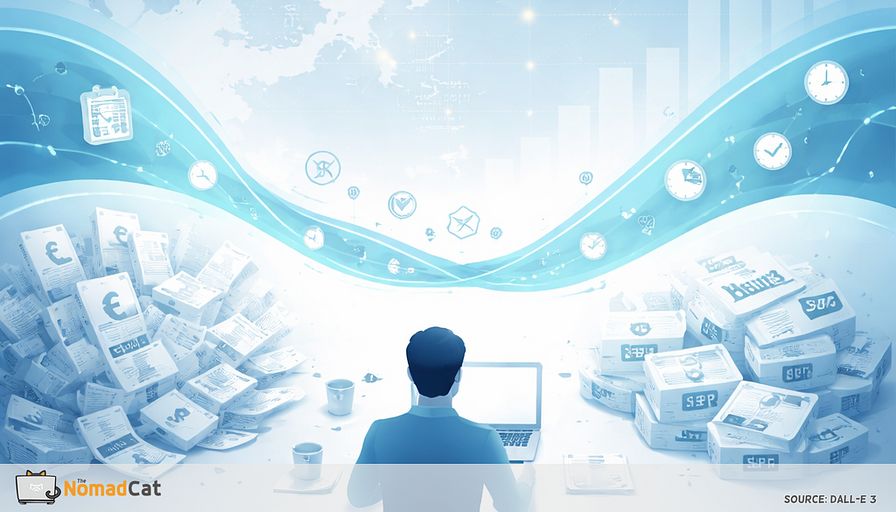
Every freelancer knows the feeling: a pile of tax papers on one side of the desk, a vague “retirement…someday” plan on the other. I’ve been there myself—especially during my first year freelancing in Berlin, when my tax forms threatened to swallow my laptop and my pension planning was just a sticky note with a question mark. The trouble is, these two piles rarely touch, and that split costs real money. For years, I treated taxes as a once-a-year headache and retirement as a problem for “future me.” What I missed—and what I want to share here—is how simple it can be to make taxes and pensions work together, unlocking savings right away.
This guide is my attempt to save you from the mistakes I made. I’ll explain why so many of us keep taxes and pensions separate, and how connecting the two can bring instant rewards for your wallet and your sanity. I’ll show you how complexity and short-term thinking get in the way, and why most advice skips the biggest win: using pension contributions to lower your tax bill now. I’ll walk through the main tax-friendly pension plans in Germany, France, the UK, the Netherlands, and EU-wide options like PEPP, so you can compare them without getting lost in jargon.
You’ll also find ideas for building smooth routines with timing, automation, and simple habits. I’ll share examples from Berlin, London, and my own move from Berlin to Lisbon—plus stories from freelancers who work across borders. My goal: practical steps to help you use tax rules and pension planning together, with less stress and more money left over for the fun stuff.
why freelancers miss out on tax perks
the two piles problem
Why do so many of us fall into this habit? I used to have two messy piles—one labeled “taxes (deal with soon!)” and the other “retirement (deal with… someday).” Tax season was all about receipts and deadlines. Retirement felt far off, so it waited. This is especially common among tech freelancers, as studies by EU agencies show. When taxes and pensions are kept apart, it’s easy to miss simple savings, especially those from pension contributions that lower taxes right away.
complexity and present bias
The advice we get can make the gap wider. Part of this is psychological. Pension rules seem tricky, and most of us focus on what’s urgent—like that tax bill. Stress, complexity, and a lack of clear info make it easy to put off pension planning, even when it could save money. Surveys show freelancers rarely know their options or the tax savings they’re missing, which keeps the two topics apart. No wonder many of us stick with whatever feels manageable.
the advisor blind spot
What’s actually lost by not connecting these ideas? Most info frames taxes as boring admin and retirement as a distant goal. Advisors rarely show how they can help each other right now. This keeps freelancers from seeing the full picture and leaves good savings untouched. Merging the two brings clear benefits.
what you lose by not joining tax and retirement planning
Missing the link between pensions and taxes can mean saying goodbye to thousands of euros or pounds in yearly savings. That’s cash you could use during lean months or for new projects. I learned this the hard way during a slow winter in Berlin, when I realized a missed pension contribution meant a much bigger tax bill than necessary.
There are workflow benefits, too. Making retirement savings part of your tax routine means less admin stress and fewer last-minute headaches. Together, these habits save both money and time. So, what can you use, and how can you start?
tax-advantaged pension options
country-by-country guide
Freelancers in Europe have several private pension options, each with rules and tax benefits. Small differences in how much you can save and deduct may have a big impact. Here’s a quick look at some of the main choices:
- Germany (Rürup-Rente): Lifetime annuity, up to €27,566 deductible yearly (double for couples), taxed when withdrawn.
- France (PER): Flexible withdrawals, up to 10% of net income (max €35,194) deductible, taxed at withdrawal.
- UK (SIPP): Self-managed, up to £60,000 or all of your earnings, tax relief at your usual rate, 25% is tax-free from age 55.
- Netherlands (Lijfrente): Locked annuity, up to €35,750 plus unused allowance carried forward, taxed on payout.
- EU-wide (PEPP): Moves with you across the EU, but the tax perks depend on each country.
Knowing the options in your own country is the first step to getting real tax savings. While the rules look technical, they decide both how much you save now and your pension later.
matching pension products to your needs
Each country’s scheme has its quirks. France’s PER allows flexible withdrawals and generous limits, making it good for those with up-and-down income. The Dutch lijfrente is also generous and lets you carry forward what you don’t use. The best choice depends on income, desired flexibility, and if you plan to live in more than one EU country over time.
If you’re likely to move between EU countries, the new PEPP can be a lifesaver. It lets you keep contributing even if you relocate, which is handy for those with international contracts.
portability with PEPP
PEPP is a good fit if you cross borders for work. Rather than juggling multiple pension accounts, you keep one PEPP and add a new country sub-account each time you move. For example, when I moved from Berlin to Lisbon, I wished PEPP had been available—it would have saved me hours of paperwork and a few headaches with the Finanzamt. Still, check local tax perks, since they aren’t uniform EU-wide. This flexibility gives peace of mind for those with a mobile lifestyle.
Once you find the best pension, it’s important to know how deductions actually help with taxes in practice.
making pension contributions work for your taxes
how deductions shrink your tax bill
Pension contributions usually come off your taxable income, lowering what you owe. For example, a freelancer in Germany paying in €10,000 to a Rürup pension might save up to €4,200 at the top tax rate. The benefit is felt right away—it makes cash flow easier, not just in retirement.
A quick chart helps make country differences clear:
Country Max Deductible Contribution Typical Tax Relief Germany €27,566 (single) Up to 42% France €35,194 30–45% UK £60,000 or 100% of earnings 20–45% Netherlands €35,750 + carryover 37–49% EU (PEPP) Varies by country Local rules applycomparing deduction rules
Looking across countries shows where the best tax savings can be found. Some have higher contribution limits or more generous tax relief, so it’s worth checking your local rules before committing your savings. The chart above can guide you.
But how do these deductions appear in day-to-day finance?
how deductions show up in your workflow
On your annual tax return, pension contributions are declared and deducted. This means you either pay less tax now or get a bigger refund. It turns saving for retirement into a way to boost cash flow, not just prepare for later. Timing makes a difference: contribute before the end of the year to claim the deduction for that year. Mixing these steps with regular habits helps avoid missing out.
timing and workflow
when to contribute
Most countries need pension contributions to arrive by December 31 for you to get the deduction. Freelancers should check their income and make last payments before the year ends. Miss the date, and that year’s deduction is gone. Using a checklist or calendar keeps you on track—timing really matters.
But timing isn’t only about deadlines. Some years bring more income, so a bigger pension contribution might drop you into a lower tax bracket or smooth an unexpected bill. Some plans let you catch up, if you missed last year, especially if your pay varies.
In the Netherlands, the jaarruimte allowance lets you carry unused room for years. In most countries, a big year-end payment is a freelancer’s secret weapon for deductions. Knowing your local rules matters; otherwise, that space disappears unused. Automation can reduce stress—set reminders or recurring payments, and the end of the year scramble is less likely.
automation and minimalist routines
Setting up monthly or quarterly pension payments makes things easy. I’m a big fan of automation—maybe it’s my physics background, but I trust algorithms more than my memory. Platforms like PensionBee (UK), MyPension (Germany), or N26 Spaces help automate savings, so you stick to your plan without extra work. Automated routines mean fewer missed deadlines and steady pension growth. Tax apps highlight deduction chances you could miss otherwise.
Here’s a workflow hack I picked up after too many missed deductions: I use a simple spreadsheet that pulls in my bank transactions and flags pension payments. Then, once a month, I check if I’m on track for my annual limit. It’s not fancy, but it’s saved me from scrambling in December.
Taxfix, Accountable, and QuickBooks Self-Employed can spot pension deduction chances during tax prep, or help track payments for easier reporting. Digital tools make tax and pension organization simpler, cutting down on paperwork and year-end stress.
Setting reminders, or using automated workflows to check pensions before tax season, turns it into a habit. A sample checklist may include: review income in late autumn, check pension limits, top up savings, and double-check deductions. This routine means no last-minute panic and better, regular savings. What does this really look like?
real-world tax savings: freelancer case studies
berlin freelancer: rürup tax wins
For high earners, the tax perks are even bigger. A Berlin freelancer with €60,000 income who adds €10,000 to a Rürup pension can save about €4,200, thanks to a high tax rate. Even small extra payments bring quick, real rewards, as shown in leading financial guides.
Those who max out their contributions up to €27,566 could save about €10,768 each year if their income goes up and down a lot. A look at the UK shows something similar.
uk freelancer: sipp turns income spikes into savings
A UK tech freelancer getting a big payout can put £50,000 into a SIPP and get £20,000 in tax relief at the 40% rate. These contributions mean a surprise tax bill turns into long-term savings, as highlighted by pension platforms and industry groups.
There’s also a bonus: those earning over £100,000 can use SIPP contributions to restore lost tax allowances, for even more savings. For freelancers on the move, there’s more.
mobile developer: pepp keeps savings rolling
Let’s say a Belgian developer moves to Spain. With PEPP, new contributions flow into the Spanish sub-account of the same pension, as long as national rules allow deductions. This steady saving keeps pensions growing, even when changing countries. But always review local tax guidelines before making big payments, since the rules can shift and affect savings.
data-driven optimization: a workflow hack from physics
Here’s a trick I borrowed from my days in data science: I set up a simple script to simulate different pension contribution scenarios based on my projected income. This way, I can see in advance how much to contribute to drop into a lower tax bracket, or how to split payments between German and Portuguese accounts after my move. It’s not rocket science, but it’s saved me hundreds of euros and a lot of stress.
Cross-country rules vary, so checking the latest incentives matters. Even with a good plan, some risks are worth noting, from missed deadlines to unexpected tax hits.
common pitfalls and the psychology of missed opportunities
classic mistakes
Missing the deadline is a classic blunder—pay in late, and you lose the deduction for that year. This mistake can mean hundreds or thousands in lost savings. There are other slip-ups as well:
- Not checking if you meet product rules
- Over-contributing and facing fines
- Missing out by not coordinating limits across pensions
It’s important to know the rules and keep track of contributions to protect your savings. Freelancers working across borders face even more risk.
International freelancers can end up paying tax twice, or have their pension not recognized, if the paperwork isn’t right or laws change. Staying organized and up-to-date is key. The mental side also plays a big part.
psychological barriers and how to break them
I’ve struggled with these, too. After leaving a corporate team, I found the isolation of freelance life made it easy to ignore long-term planning. Here’s what I’ve learned:
- It’s easy to focus on today and forget how pension payments help now. Tax deductions matter immediately, not just in the distant future.
- Complexity is a blocker. With so many products and rules, it’s easy to get lost and give up.
- Stress and uncertainty can freeze you. When my income dropped suddenly, I almost skipped my pension payment—until I realized the tax refund would help cover my rent.
How to break through?
1. Automate payments, even small ones. It’s less stressful than trying to time the market or your mood.
2. Break steps into small tasks. I set a 15-minute timer once a month to check my pension and tax status—no more, no less.
3. Check in regularly. A quick review every quarter beats a panicked scramble in December.
4. See pensions as a tool for managing stress, not just for the distant future. The relief of seeing my tax bill shrink is real—I’ve literally felt my shoulders drop after clicking “submit” on a well-prepared return.
Turning these savings routines into simple parts of freelance life can make them stick. A habit based on regular, clear actions lasts the longest.
My experience in physics and data-driven work shows that the simplest, automated routines hold up best over time. This approach makes pension and tax planning less scary and more manageable.
putting it all together: a minimalist checklist
the annual review habit
A repeatable routine can help save money and avoid headaches. One method is to set an annual, or quarterly, reminder to check pension contributions, income, and project tax savings, either in a digital tool or a basic spreadsheet. Year-end checklists, used by top finance firms, help anchor good routines and ensure you don’t miss any deductions.
A step-by-step check might look like:
- Make sure you qualify for each pension, especially if you’ve moved countries or income changed
- Confirm contribution limits and deadlines for all plans
- Check if you can carry forward unused room, like in the Netherlands
Since rules shift, double-check before paying in. Cross-border freelancers should review PEPP tax rules each year, as they change, too.
Keep documentation tidy. Save all relevant proofs and label them properly in your software or digital folders. Minimal tech routines make this easier, for example:
- Scan and save receipts right after contributing
- Use tax apps to tag pension payments
- Put all records in one digital spot or folder
workflow hacks for tech minimalists
Automation and good tech is key. Apps like N26 Spaces automate pension savings, while Taxfix or Accountable catch deduction chances in real time with little effort.
But don’t overcomplicate—simple wins. Stick to a single checklist, a calendar alert, and just a couple of digital tools. This keeps routines easy and stress levels low.
With these strategies, freelancers can finally enjoy the tax-related perks of pensions. A basic, tech-supported routine keeps things smooth, organized, and far from the chaos of last-minute deadlines.
I don’t dread taxes or pensions anymore. The first time I set up an automated pension payment and saw my tax refund jump, I actually laughed out loud—then promptly made myself a strong coffee and slept better that night than I had in weeks. When both piles finally come together, savings show up quickly, routines get smoother, and life feels a little less chaotic. A few small changes—choosing the right pension, automating savings, and setting reminders—turned tax season from a struggle into an opportunity for real wins. I save money, feel less overwhelmed, and keep freelance life a bit more under control, wherever I work in Europe. Even a simple digital setup can turn missed chances into steady progress for the future.
You might be interested by these articles:


How moving and remote work can quietly change your taxes and pension

How tech freelancers can beat admin procrastination and avoid costly mistakes

Minimalist tax workflow for solo tech pros

When automation isn’t enough how freelancers can avoid hidden admin risks

How to make cross-border freelancing in Europe really work

Transforming Learning Through VR

8 hours in bed and still tired debug your fragmented sleep