retirement planning for tech freelancers in europe made simple
Abstract:
The article explores the unique retirement planning challenges faced by tech freelancers in Europe, emphasizing how their mobility, irregular income, and limited access to state pension systems make securing long-term financial stability more complex than for traditional employees. It provides an in-depth comparison of pension options across Germany, France, Spain, the UK, and the Netherlands, highlighting features such as tax incentives, digital onboarding, and flexibility that cater specifically to freelancers’ needs. The article also introduces the new pan-European Personal Pension Product (PEPP) designed for portability across borders, but notes current limitations and evolving tax rules. Practical guidance is offered on automating savings, using fintech platforms for real-time tracking and management, and leveraging digital tools to simplify admin across countries. Real-world examples, like a freelancer relocating from Berlin to Spain or a UK developer settling in France, illustrate the importance of adapting pension strategies with each move and choosing local digital providers for smoother transitions. The article warns against hidden fees, inflexible products, and bureaucratic obstacles, recommending regular reviews and community support via online forums. A step-by-step checklist concludes the piece, guiding freelancers through researching options, automating contributions, and maintaining flexibility. Overall, the article blends practical advice and illustrative scenarios to help European tech freelancers build reliable retirement security without sacrificing the autonomy and international lifestyle that define their careers.
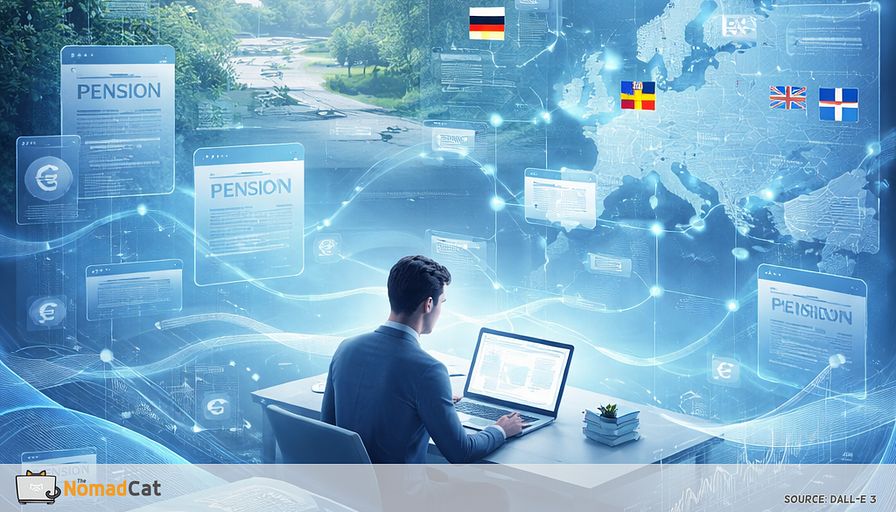
Retirement planning as a tech freelancer in Europe isn’t just a numbers game—it’s a daily reality that shapes my choices, my stress levels, and even how much time I get to spend in the garden. There’s freedom and flexibility, yes, but also a tangle of challenges that traditional employees rarely face: patchy state pensions, unpredictable income, and the headache of working across borders. The usual safety nets feel thin, so building financial security for later life often seems like trying to assemble IKEA furniture with half the screws missing.
I want to share what I’ve learned—sometimes the hard way—about why retirement planning matters so much for tech freelancers in Europe, and what makes it so different. I’ll walk you through the state pension gap for independents, the headaches of mobility and uneven income, and compare the best pension products in Germany, France, Spain, the UK, and the Netherlands. I’ll also touch on new pan-European options, minimalist saving tips, quarterly tax prep (a lesson I learned after a near-miss with a tax deadline), and a checklist that fits the freelance life.
If you’re bouncing between Berlin and Lisbon, juggling clients in three time zones, or just want a way to save that doesn’t eat up your weekends, I hope my experience helps you make smarter, more confident choices. Digital tools, flexible products, and a bit of planning can really take the edge off the anxiety that comes with freelance life.
Why retirement planning stands apart for tech freelancers in Europe
The state pension gap for independents
Freelancers in tech across Europe are at greater risk of financial trouble in retirement compared to employees. Our contributions to state pensions tend to be lower or inconsistent. For example, in Germany, nearly one in five self-employed people risk old-age poverty. In Spain, almost half of self-employed retirees face poverty. These numbers hit home for me when I realized that, after a few years of freelancing, my own state pension projections looked more like pocket money than a safety net.
With income and contributions that are not steady, many of us miss required payments or have long gaps in our records. This leads to much lower pension payouts than those of regular employees. We’re also less likely to get extra benefits like disability or survivor’s pensions, which adds another layer of risk if something unexpected happens. Fewer protections and irregular income mean the risks pile up quickly. And if you’re moving around, the complexity only grows.
The mobility and income challenge
When I moved from Berlin to Lisbon, I discovered just how tricky it is to build up rights in one pension system. Old systems and national rules make it hard to keep track of benefits or move them across borders. Plus, my income was rarely steady—one month flush, the next scraping by.
Unpredictable earnings make it tough to stick to regular pension contributions. I’ve missed out on tax breaks simply because I couldn’t predict when the next invoice would get paid. When money comes in waves, it’s easy to fall behind on saving. But country-specific and digital solutions can help. With the right tools, I started to fill these gaps and build up some real security for the future.
best retirement products for tech freelancers in europe
germany’s top options for independents
Tax incentives are a strong selling point for tech freelancers in Germany. The Rürup pension (Basisrente) is popular for its flexible rules and generous tax deductions. Riester pensions are also an option, but Rürup’s higher annual limits are usually more appealing.
Digital platforms make setting up a pension plan fast and simple. Rürup contributions are tax-deductible up to high limits, while Riester offers government subsidies but comes with more rules. Reading the fine print on each is important.
Companies like Raisin, fairr, and myPension let freelancers open pension accounts online and automate their payments. This digital method makes ongoing management easy, especially when income goes up and down.
There’s also a new pan-European choice: the Pan-European Personal Pension Product (PEPP) is now available in Germany. It brings borderless portability and limited fees. While promising for freelancers who move around, its true benefits and tax perks are still developing as more people sign up.
flexible retirement savings for french freelancers
The PER individuel is the main pension product for freelancers in France, offering flexible payment schedules and a range of payout options. This gives French independents more control over when and how much they save, and when they can draw from their funds.
Tax breaks make the PER even more attractive. Freelancers can deduct up to 10% of their income, making it a great fit for those with fluctuating earnings. Many advisors recommend contributing as much as possible before the year ends to maximize these savings.
Digital providers like Linxea and Yomoni allow people to open and manage a PER entirely online, with dashboards to track and automate payments. Now, managing a French pension is possible from anywhere with just a few clicks.
spain, uk, and netherlands comparing key products
Here’s how I break down the main options in Spain, the UK, and the Netherlands:
-
Spain:
- Personal pension plans with annual deduction limits.
- Digital providers like Indexa Capital and BBVA offer simple online management and custom payment schedules.
- Annual contribution caps apply, but the platforms make things clear and simple.
-
UK:
- The SIPP (Self-Invested Personal Pension) allows large payments and gives lots of choices on how to invest.
- Digital options such as PensionBee and Nutmeg make it easy to track and manage everything via online dashboards.
-
Netherlands:
- Freelancers can choose lijfrente products, which have high tax-deductible limits.
- Providers like Brand New Day and BrightPensioen support quick online setup and easy automation, helping freelancers keep things efficient and organized.
For freelancers who often move, a pan-European product might help.
pepp for the mobile freelancer
PEPP is built for portability in the EU, with fee caps and simple digital management. For tech freelancers likely to move between countries, it may soon be the go-to solution.
But, there are still bumps in the road. Use remains limited, and tax rules change by country. Freelancers need to check the local regulations before relying on PEPP as their main retirement plan.
The next section compares all these products for freelancers who want the simplest, most efficient option.
what minimalist tech freelancers should compare before choosing a pension
portability, tax breaks, and digital ease
For freelancers who want to keep it simple, portability is often a top concern. If you’re working in Berlin one year and then Lisbon the next, moving pension rights between countries can become a maze of paperwork and unexpected tax problems. Even with EU-wide rules, the process is not always smooth or predictable.
Tax breaks are another major factor. Many countries offer big incentives, but the process for claiming them is not always easy. Digital platforms can automate paperwork and provide dashboards so you can track which benefits you’ve claimed.
Most top pension providers now offer digital onboarding. You can set up your account, manage contributions, and follow your progress fully online. This is a huge stress reliever, especially if you’re managing work in several countries.
But there’s more to consider: flexibility and fees can make a big difference.
flexibility, fees, and withdrawal options
Flexibility is a must for freelancers with changing income. More pension plans now let you adjust or pause your contributions, or even add extra payments when money allows. Some do have minimum requirements, so check details carefully.
- Fees can quietly eat into your long-term savings, even at small percentages.
- Look for clear, transparent pricing and dashboards that make it easy to understand costs.
Withdrawal rules can be surprising. Some pensions lock up your money until retirement, while others allow lump sums or flexible access. Checking these points up front prevents headaches later.
Bureaucracy can creep in and make things harder, even for freelancers who are well prepared.
watch out for red flag bureaucracy
Hidden fees, confusing contract language, and blocked withdrawals can turn a good pension product into a real hassle. These are common issues, so it’s important to spot them early. Opaque terms or systems without clear online access add more barriers, especially if you’re moving countries. Going with a straightforward, digital-first plan makes it much easier to keep control and avoid unnecessary paperwork.
What about ways to make saving easier for freelancers in daily life? The next section shares tips on automating savings, using smart tools, and building easy routines.
making retirement saving fit freelance life
automating and timing contributions
Balancing unpredictable freelance income with my desire for more time in the garden has made automation a lifesaver for me. Many digital providers now let you create flexible rules—like setting aside a percentage of each invoice, or moving a set amount each time you get paid. This helps keep savings growing over time, no matter how income changes. According to a 2023 survey by Raisin, freelancers who automate contributions are 40% more likely to meet their annual savings goals.
Timing matters too. Adding extra funds near the end of the tax year, or putting money in every quarter, can help you get the biggest deductions available. Setting up quarterly reviews helped me catch missed contributions and optimize my tax deductions. Digital platforms send reminders about deadlines and help track what needs doing. I use a simple Google Calendar alert and the built-in reminders from my pension dashboard—otherwise, I’d definitely forget.
keeping it simple with digital tools
Dashboards from top online pension providers put all your info—contributions, investment growth, and tax papers—in one spot. This means less paperwork and a smaller chance of missing a deadline, which helps busy freelancers feel more at ease. I love being able to check my progress instantly, without sorting through piles of paper.
Some fintech apps go a step further, letting you combine several pension accounts from different countries into one view. This is especially helpful for those who move often or work with clients in several places. Tech professionals are already using these tools to make their pension planning easier and keep everything running smoothly, no matter where they’re based.
the emotional side: work-life boundaries and mental health
Freelancing can be lonely, and the uncertainty around retirement planning sometimes keeps me up at night. There’s a real emotional toll to not knowing if you’ll have enough, especially when you’re on your own. For me, having a clear, automated plan in place has helped reduce that anxiety and let me focus more on work—and on life outside work. I’ve found that setting boundaries (like not checking emails after 7 p.m.) and having a solid financial plan go hand in hand for my mental health.
quarterly tax prep essentials
If there’s one thing I wish I’d known sooner, it’s how much easier life gets when you stay on top of quarterly tax prep. Here’s my step-by-step guide, based on a few close calls with tax authorities:
-
Set up digital reminders:
- Use Google Calendar, Notion, or your pension provider’s built-in alerts to remind you a week before each quarterly deadline.
- I color-code my reminders so tax stuff stands out from client meetings.
-
Gather your documents:
- Download invoices, bank statements, and pension contribution receipts.
- I keep a dedicated folder on my desktop—no more frantic searches.
-
Calculate your estimated taxes:
- Use a tool like Taxfix (Germany), TaxScouts (UK), or Declarando (Spain) to estimate what you owe.
- Don’t forget to include pension contributions for deductions.
-
Submit payments and forms:
- Most countries let you pay online. Double-check that your payment went through.
- Save confirmation emails or screenshots—trust me, you’ll need them someday.
-
Review and adjust:
- After each quarter, check if your income or deductions have changed.
- Adjust your pension contributions or tax estimates for the next quarter.
Automated reminders have saved me from more than one late fee. If you’re like me and get lost in client work, setting up these systems is a must.
real-world snapshots of tech freelancers setting up pensions
moving from berlin to lisbon: adapting pension plans
When I moved from Berlin to Lisbon, I realized my German pension plan didn’t carry over easily. I had to open a new plan in Portugal and learn the local tax rules—fast. The first time I logged into the Portuguese tax portal, I felt a wave of panic (and not just because my Portuguese is still terrible). But digital providers made it easier: I used a local fintech app to open a pension account, link my bank, and automate contributions. The relief I felt when I saw my savings start to grow again was real.
uk developer settling in france: new rules, new tools
A friend of mine, a UK developer, moved to France and tried to transfer his SIPP. It was a bureaucratic nightmare. In the end, he started fresh with a French PER for better tax help and easier management. Opening a local plan meant less paperwork and less worrying over cross-border rules, especially since his clients were now mostly French startups. Providers like Linxea and Yomoni made onboarding quick and digital, so he could get back to coding instead of filling out forms.
the emotional rollercoaster
I’ll be honest: I felt a real sense of anxiety when I realized my pension contributions in Germany wouldn’t count in Portugal. But once I got the right digital tools in place, I started to feel in control again. There’s something grounding about seeing your progress on a dashboard, even if the numbers aren’t huge yet.
pitfalls and digital hacks for minimalist pension planning
mistakes to watch out for
Getting stuck with the wrong pension plan is easy if you’re not careful. I’ve missed deadlines for tax breaks and picked products that were too strict, costing me money and peace of mind. High fees and unclear conditions are common traps flagged by consumer groups, and they can slowly eat away your savings.
Choosing a plan that’s hard to leave or full of paperwork creates long-term frustrations. Always check for exit charges and make sure the product is portable before you commit. Complaints and warnings about these problems come up often.
top digital tools and providers
Digital pension providers really simplify things for tech freelancers. Platforms like PensionBee, myPension, Linxea, and Brand New Day offer simple online setup, automatic savings, and real-time dashboards, which make managing a pension much less of a chore.
Aggregator apps are another step forward. Tools like Emma and Zuper help pull all your pension accounts into a single dashboard, letting you track progress and reduce admin headaches. This is extra useful if you’re handling pensions in different countries.
finding support through communities
Online groups can make a big difference with real-world advice and shared solutions. Forums such as Reddit’s r/expatfinance, Nomad List, and professional groups on LinkedIn are full of freelancers giving tips and advice on handling pensions.
quick-start checklist for setting up your pension plan
minimalist step-by-step setup
Starting with retirement savings doesn’t have to be stressful. Here’s how I do it:
-
Check the main pension options in your country.
- Compare fees, flexibility, and digital features by visiting official portals and well-known finance guides.
-
Pick a digital-first provider.
- Look for full online setup, dashboards to track your savings, and automatic contributions.
-
Set up your account.
- Most sites guide you step by step—no stacks of forms needed.
digital onboarding made easy
With online onboarding, you can set up your pension in about half an hour. Arrange your contributions next. You can choose a set amount each month or a percentage from every payment—pick what fits your income style.
automate your savings
Automatic contributions make life easier. Whether you choose a flat amount or link savings to your incoming payments, automation helps your pension grow even if income is unpredictable.
It helps to review your chosen setup every few months so you stay on track and adapt as your freelance work changes.
regular reviews for a flexible plan
Check your provider’s dashboard each quarter. Adjust your contributions if your income changes, and stay alert for new tax perks or updates—small changes can add up.
Doing these quick reviews keeps your retirement plan moving with you, making peace of mind easier to reach as a freelancer.
Retirement planning for tech freelancers in Europe isn’t just about numbers—it’s about reclaiming a sense of control in a world that’s always shifting under your feet. I’ve learned that with the right digital tools, a bit of automation, and regular check-ins, you can build real security for the future without giving up the independence that makes freelancing so rewarding. The relief of seeing your progress, even in small steps, is worth every bit of effort. And if you ever feel lost, remember: you’re not alone—there’s a whole community out here, figuring it out one quarter at a time.
You might be interested by these articles:


How moving and remote work can quietly change your taxes and pension

How to make cross-border freelancing in Europe really work

Scenario planning for tech freelancers made simple

Automate your savings for a calmer freelance life in Europe

How tech freelancers can beat admin procrastination and avoid costly mistakes

How transparent pricing helps tech freelancers stand out in Europe

Breaking Barriers in Tech Entrepreneurship