Minimalist virtual coworking for focus and real connection
Abstract:
The article advocates for minimalist virtual coworking as a healthier, more effective alternative to the overloaded, notification-heavy environments common in remote work. It explains how excessive digital features and constant alerts can sap energy, reduce focus, and ironically increase feelings of isolation. By contrast, minimalist coworking emphasizes simplicity—using lean tools, clear routines like silent sessions or timed check-ins, and straightforward house rules—to foster genuine connection, independence, and well-being. The approach particularly benefits diverse and introverted teams by offering flexible participation, structured turn-taking, and fewer but more meaningful interactions. Drawing on real-world examples, including the author’s own experience managing multicultural teams in Beijing and anecdotes from tech professionals who found balance in audio-only or pared-down group sessions, the article offers practical advice for forming and sustaining minimalist coworking groups. It recommends regularly auditing tools and channels, rotating facilitation roles, and using starter templates and browser-based platforms like Focusmate, Flow Club, or a decluttered Discord to keep things efficient and friendly. Ultimately, the article shows that minimalist coworking—by reducing digital clutter and focusing on what matters—can boost productivity, improve mood, and create lasting, supportive relationships without the overwhelm.
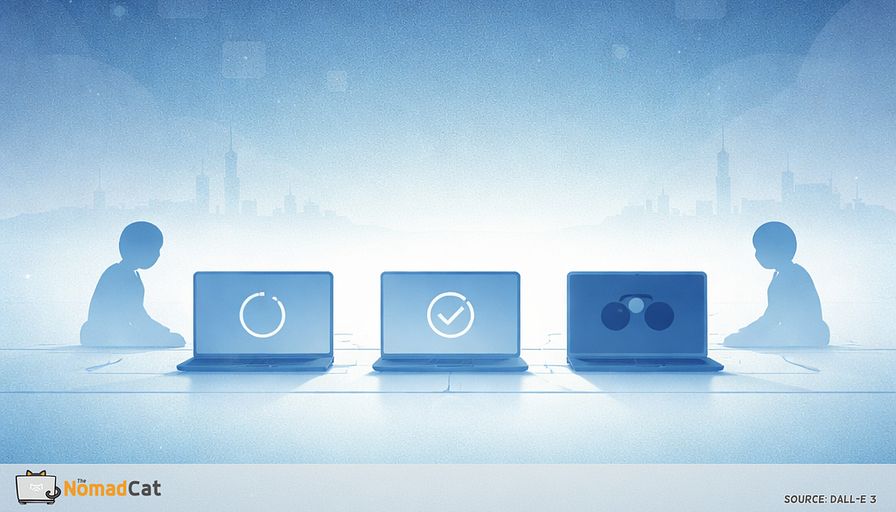
Remote work brings a lot of freedom, but honestly, the very tools that promise to help can sometimes just add more noise. I’ve felt it myself—after moving from Berlin to Lisbon, I was excited for flexibility, but soon found myself drowning in pop-ups, notifications, and endless chat threads. For many tech professionals, online coworking starts to feel like battling distractions when all you want is focus and some real contact. Minimalist virtual coworking takes a different path. In this piece, I’ll share how simple setups actually help you feel better, build true relationships, and avoid feeling alone or overwhelmed.
Sometimes, the silence of remote work feels heavy, but a simple check-in can lift that weight. I’ll show how too many alerts and features drain energy, and why a minimalist setup is a healthier choice. You’ll see the downsides of digital noise, practical steps for building a lean group, and tips on choosing tools and routines that give you clarity and independence. I’ll also talk about helping introverts feel comfortable, balancing group size, and using easy check-ins to stay connected.
If you’ve ever felt buried under digital clutter or wondered how virtual coworking could feel calmer, these ideas and examples point to a lighter, more human way. Expect practical advice, scenarios you can relate to, and—even for such a focused topic—a smile here and there. Less really can be more in virtual coworking.
Why it matters
Connection vs. digital overload
I remember logging into a coworking platform, ready to get things done. Suddenly, pop-ups, alerts, and chat bubbles were everywhere. What started as an attempt at real connection soon felt like a digital circus. For people like me who want a simple approach, this constant digital chatter can wreck your focus and drain your energy. Even if you start out excited, it can soon feel like too much. This kind of overload is more than just annoying—it can affect your mood and your mind.
The hidden cost of notification fatigue
Getting too many notifications is not funny. Each ping breaks your focus, making it tough to concentrate and raising your stress. Over time, people might just leave coworking spaces to get away from the noise. Strangely, instead of helping you feel connected, all the apps might just make you feel lonelier. But going for minimalism isn’t about cutting off connection—it’s about connecting in a better way.
Intentional design for meaningful connection
The goal isn’t to avoid people, but to build connection with care. When you can have fewer, but more meaningful, interactions, using tools designed to keep you focused, you can get much better results. Quality over quantity helps keep your relationships strong without the downsides of overload. A simpler setup means you can actually enjoy connecting.
The upside of minimalist coworking
Minimalist coworking changes how things are done. It puts being clear, safe, and participating honestly at the center. With less pressure and fewer distractions, you can really be present, which often leads to deeper relationships. There’s strong evidence that smaller, simpler setups really help.
Simple structures, real connection
Plain setups—like silent sessions or timed check-ins—can help with loneliness while letting people keep their independence. You stay in touch with others, but don’t feel boxed in. Some examples are silent coworking hours, quick check-ins, or just being in a quiet online “room” together, cameras and mics off. This approach works especially well with teams from different cultures.
Why simplicity works in diverse teams
When I managed a multicultural team in Beijing, I noticed that too many channels and notifications often left people checked out—including me. In Beijing, I learned that too many digital channels can make cross-cultural communication harder, not easier. Simple rules and fewer tools helped everyone stay focused and connected, even if they came from different places and worked in different time zones. I remember feeling relieved when we trimmed our setup down to just a few channels—it was like a weight lifted off my shoulders. Let’s see what makes minimalist coworking actually work.
Core principles
Fewer, richer interactions
So how do you do this? Research shows it’s not the number of chats or meetings that makes things satisfying, but the quality of the connections. When your sessions have a purpose—like a focused work sprint or a check-in with a clear goal—trust and real connection can grow. Endless threads or forced video calls, on the other hand, just tire people out. Sometimes a single, intentional session leaves more of an impression than days of scattered messages.
Simple rituals and clear agendas
You get more done by keeping meetings to just the ones that matter. Simple habits that help:
- Quick check-ins on a set schedule, not always-on chats
- Set work sprints with clear start and finish
- Social sessions with a theme or purpose
Small routines like these usually beat frequent, unplanned meetings. They help teams stay on track and connected without burning people out. Your tools matter, too.
Choosing tools that support focus
Pick platforms that don’t distract
Minimalist coworking tools like Focusmate, Flow Club, Groove, and Café are made for staying on task. They have simple setups, run in your browser, and most alerts can be turned off or adjusted. You won’t get bombarded with pings—just a gentle nudge when to start or stop. Even bigger tools can be made simpler.
Tailor existing tools for a lighter experience
Platforms like Gather or Discord can work if you tidy them up. Turn off features you don’t need, trim unused channels, mute alerts—it all helps bring some calm. For example:
- Before: Lots of channels, pop-ups, and a messy interface
- After: A handful of important spaces, muted alerts, clean look
This makes things lighter and easier to use. Still, keeping it simple means checking in now and then.
Keep your setup fresh with regular audits
Every few months, it’s smart to check your tools. Remove old apps, archive unused channels, and see what’s actually helping you. Tip: schedule a little reminder to review everything and keep only what helps your focus. And design with everyone in mind—not just those who love to talk.
Making coworking comfortable for introverts
Silent sessions foster comfort and focus
After moving from Berlin to Lisbon, I found that silent coworking sessions helped me adjust to working alone, especially when I missed the buzz of a big office. Research shows that introverts report higher satisfaction in coworking groups with structured silent sessions. Silent coworking—where you work together in quiet, with cameras on or off—makes it easier to focus and lowers social pressure, especially for introverts. No need to chat, just the comfort of someone else being present. It works for those who prefer not always talking.
Flexible participation with check-ins and async updates
Options matter. Letting people check in when they want, using written or short video updates, can replace live meetings. Daily written check-ins—like those done at Basecamp—let you answer at your own pace. A few basic adjustments make a big difference for making people feel welcome.
Simple structures help all voices be heard
Structured turn-taking, clear agendas, and small group discussions make sure everyone gets a turn, not just the loudest. Sharing questions ahead of time or breaking into pairs before the group meets helps quieter folks join in. Want to build a minimalist coworking group? Here’s how I use these ideas for a friendly, focused virtual space.
Step-by-step guide
Choosing a platform
Start by understanding what your group needs. Do you want scheduled sessions, silent working, optional check-ins, or just a chat? After listing core needs, compare tools made for minimalism, like Focusmate, Flow Club, Café, Groove, or a streamlined Discord or Gather setup. Here’s a quick breakdown:
- Focusmate: Browser, no install, simple video and timer, very few notifications
- Flow Club: Scheduled, optional check-ins, clean look
- Café: Lightweight rooms, no constant alerts
- Groove: Minimal “pods,” easy to join, can mute notifications
- Minimalist Discord: Custom channels and alerts, only what you need
Choose a tool that matches your group and stays out of your way.
Browser-based tools are great for minimalists. They’re quick to join, easy to leave, and don’t need installing. Look for browser access, simple layout, low alert level, and easy to start. For total control, you can customize Discord or Gather. Just cut excess channels, mute most alerts, and use a minimalist style. Taking Discord from a busy chat storm to just a few channels can make a big difference.
Once you have your tool, make some clear ground rules.
Setting up house rules
A short, easy-to-read set of house rules keeps everyone on the same page. Cover the basics: being on time, privacy, respectful language, and optional participation. Some good rules:
- Show up on time
- Mute your mic unless you’re speaking
- Share advice only if asked
- Share your goals if you want, not if you don’t
- Respect privacy—no recording or sharing outside the group
Simple rules help make everyone feel safe and focused, and avoid extra hassle.
Don’t make too many rules. Just a few work: be on time, mute when not talking, participation is optional. Too many rules get confusing fast. It’s good to check them as the group changes to keep them up to date.
Every few months, revisit these rules and talk about what works. That keeps things fresh and friendly. Next is planning how to run your sessions.
Scheduling and facilitation
Keep group size small—four to seven people is best for conversation without crowding. Switching up who hosts spreads the work and keeps things lively. One week, someone else leads the check-in. It takes the pressure off one person.
A mix of fixed and flexible meetings works for many. Some like a set weekly session; others meet as needed. Async channels for updates or useful links let people join when they can. Written check-ins help keep everyone connected, live or not.
Running a session can be simple: a quick check-in at the start and end, optional involvement, a clear agenda, and set time are plenty. This keeps things relaxed and stops stress. For continued success, review routines and adjust together from time to time. Sometimes, I forget to mute the notifications—c'est la vie!
Shareable resources and templates
Starting a minimalist coworking group gets a lot easier with ready-made resources. Many platforms—like Focusmate or Caveday—offer sample agendas, tool lists, and clear guides for anyone who wants a light, simple setup from the start. Using these templates helped me feel less alone when starting my own group in Lisbon, especially when I worried about getting it right. Community templates can also save time:
- Focusmate and Caveday: Ready-to-use agendas and simple house rules
- Doist Blog: Minimalist workflow guides and sample check-ins
On sites like Notion, Product Hunt, or GitHub, you’ll find check-in forms, invitation templates, and workflow guides built by other remote workers. Adapting these for your group is easy. Ready resources mean you don’t start from zero every time, and they can help you focus on building real relationships instead of reinventing the wheel.
Some platforms shine for being simple and low on distractions:
- Focusmate: Minimal, browser-based, simple notifications
- Flow Club: Scheduled sessions, clean interface, optional check-ins
- Café: Light rooms, few alerts, easy browser access
- Groove: Minimal pods, easy onboarding, can mute notifications
- Around: Lightweight video, floating bubbles, hides unneeded features
If you need more control, options like Gather or Discord can be trimmed for minimalism. Keep just the main features and mute what you don’t need for a focused group space. Simple, browser-based tools are often best for keeping the experience clean. For people who want DIY setups, templates can really help.
If you like building your own system, tools like Google Docs or Canva give you basic, clean templates for agendas or invites. A simple shared agenda can help your group stay on track, without adding any noise. For me, using a shared doc made it easier to see everyone’s progress and feel connected, even on quiet days.
Sustaining connection
Sharing responsibility and managing group size
Rotating who hosts each session keeps things fun and prevents burnout. Maybe someone’s the timekeeper or sets the plan for a week—everyone gets involved, sessions stay fresh.
Group size matters. Try to keep coworking groups under eight people. If it’s bigger, split up or run breakouts. Async channels let everyone join without filling up the calendar.
Making the most of async channels
Lightweight, async channels—like shared docs or a simple chat—let people update each other and share small wins with no pressure to respond right away. This takes stress off and fits busy schedules. For instance, use one thread for progress, another for questions, to keep it neat.
Still, async spaces can get messy. Agree on how often to post and what goes where. One channel for updates, another for questions, mute what’s not essential. Archive old threads and remove empty channels now and then to keep it tidy.
Keeping the community lean
Regular digital clean-ups are the secret to staying minimalist. Consider steps like:
- Removing inactive channels
- Merging groups that do the same thing
- Checking tool use now and then
Small regular trims keep the digital space clear. Explaining why you make changes is important, so everyone knows it’s for simplicity and focus, not because someone’s out. Communicating openly builds trust and helps everyone accept changes. This way, minimalist groups can stay strong, focused, and relaxed.
Real-world stories
Balancing connection and independence
Simple structures help people feel both focused and like they belong. Many tech professionals say that minimalist coworking—like video-off or audio-only sessions—lets them be part of a group but avoids the tiredness from constant chat and camera time. One developer shared how joining a weekly audio-only session where everyone just checked in at the start and end gave both a sense of belonging and enough space to focus. Minimalism can fight loneliness without too much social demand.
After years in big teams, switching to solo work in Lisbon felt isolating at first, but minimalist coworking helped me regain a sense of community. Keeping routines simple also helps groups last longer. Timed check-ins and basic tools provide just enough structure without adding stress or confusion. People often mention better mood, more purpose, and better daily habits. Simple routines and tools can be good for both focus and well-being.
Keeping things simple over time
Some groups keep things tidy by regularly trimming channels, switching who hosts, and checking their agreements. For example, one group began with many channels and alerts but cut it down to just two essentials after a few months. Suddenly, the group felt more alive and supportive. Minimalist coworking isn’t fixed forever—it changes as people’s needs change. Ongoing reviews keep things fresh and useful.
If you want to try this, there are good resources out there. Stories from digital minimalist communities show these groups often last much longer than complex setups that fall apart. One well-running group shared how sticking to clear rules, lean tools, and regular check-ins kept them from burning out and let them stay connected, even as schedules shifted. Simplicity helps groups go the distance.
Minimalist coworking is not about doing nothing. It’s about doing what matters, without all the extra noise. When you cut out endless features and notifications, you can really focus and connect. Simple routines—like silent sessions, a clear plan, or a regular check-in—help everyone feel good, no matter their personality. With the right tools and regular check-ups, digital clutter never gets in the way. The payoff? More energy, higher well-being, and a sense you belong—without feeling overwhelmed. Looking for a calm, connected way to do remote work? This approach might be just what you need. Not perfect, but it works for me. What small change could help you create a calmer remote work setup?
You might be interested by these articles:


Simple rituals for real connection in tech life

Third spaces for indie tech workers making solo work less lonely

Why curated micro-communities beat digital noise for solo pros

How small rituals make solo tech work feel less lonely

Silent mastermind groups for tech minimalists seeking focus without the noise

Week 2 broke your health plan because it has too much overhead

Revolutionizing Classrooms with VR Tech