Turn credit stress into freedom for freelancers
Abstract:
The article emphasizes that for freelancers and independent tech professionals, managing credit proactively—rather than reactively—can transform debt from a source of stress into a valuable tool for business growth and peace of mind. It contrasts the anxiety and missed opportunities caused by last-minute borrowing with the advantages of planning ahead, such as setting up lines of credit, negotiating vendor terms, and establishing personal borrowing rules. Real-world examples, like a developer who secured a credit line before accepting a major contract and a manager who used a business card to negotiate software discounts, demonstrate how preparation unlocks opportunities and reduces financial pressure. The article provides practical steps for mapping out likely cash flow challenges, selecting suitable credit tools for different scenarios, automating repayments, and regularly reviewing credit health. It highlights the benefits of digital tools like Nav and QuickBooks for tracking and automation, and advocates for minimalist, disciplined credit systems that clear mental space for creative work. Through templates, automation, and regular check-ins, freelancers can use credit deliberately—to bridge gaps, seize business chances, and support long-term independence—rather than as a desperate fix during emergencies.
Managing money as a freelancer has always felt full of surprises for me, especially when I was running my IT services company in Beijing. One month, everything would be on track, and then a late client payment or an unexpected tax bill would throw my plans off completely. In those moments, I used to see debt as a last-minute fix—stressful, sometimes a little scary. But over the years, I learned that with some planning, credit can actually help build a stronger, more flexible business, and even make work more enjoyable.
I want to share what I’ve learned about the difference between reacting to money problems and planning for them. Waiting until the last minute to borrow always led me to stress and missed opportunities. But when I started planning ahead, credit became a tool for growth and peace of mind. I’ll walk you through practical steps I use: mapping out business needs, choosing the right credit tools, setting personal rules, and keeping an eye on repayments so debt never becomes a burden.
I’ll also share real examples from my own journey—like launching a cross-border e-commerce platform in Shanghai and managing cash flow during slow seasons. With a clear approach, credit management has let me do better work, feel more relaxed, and focus on what I really care about.
Proactive vs. reactive debt
The trap of reactive borrowing
When I first started freelancing, I only reached for credit when things got tight. A late payment from a client or a sudden expense would send me scrambling for a credit card or a quick loan. It felt normal—after all, cash flow is unpredictable. But I noticed a pattern: every time I waited until cash was low before seeking credit, I ended up making rushed decisions and accepting bad terms. For example, during my first year running the science popularization company, I had to cover payroll with a high-interest card because I hadn’t set up any backup plan. That meant less time to shop around for better options and more money lost to fees.
These urgent fixes piled up. It felt like patching a roof while it’s raining—never quite enough and always stressful. The anxiety didn’t just hurt my finances; it affected my mood and focus. I remember losing sleep before a big product launch in Shanghai, worrying about whether I could pay suppliers on time. Scrambling for funds brought on burnout and made it hard to enjoy my work or get creative.
Shifting from reacting to planning changed everything for me. Using credit as a resource instead of a last resort gave me more control and helped me build a business that could handle ups and downs.
Proactive credit planning
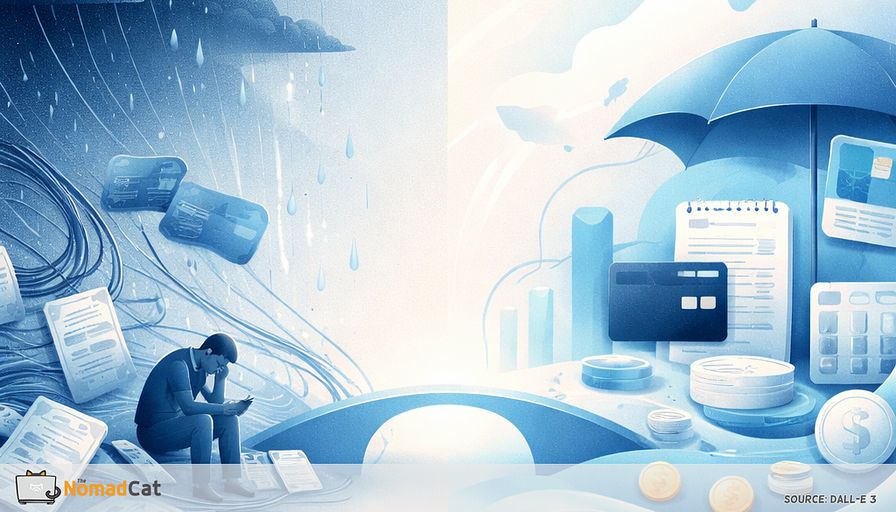
Proactive credit is like having an umbrella ready before the rain starts. Instead of waiting for trouble, I began setting up lines of credit and negotiating payment terms with suppliers in advance. When challenges or new opportunities came up, I could respond calmly and efficiently.
For example, when I set up a line of credit during my time in Berlin, it allowed me to accept a €5,000 project without worrying about cash flow gaps. I could take on bigger projects, make cost-saving purchases, or ride out a slow month without rushing or paying extra fees. This move from last-second to planned borrowing opened up opportunities I would have missed otherwise.
Having credit lined up in advance also reduced my stress. It became easier to say yes to new clients or invest in the business, knowing I was prepared. Instead of just getting by, I started to build something with confidence.
A safety net turned credit from a worry into a resource for progress. Here’s how I put credit planning into practice.
Building my credit playbook
Mapping needs and choosing tools
To build a reliable system, I started by thinking about when I was most likely to need extra funds. Launching a new product, covering a slow season, grabbing a great deal, or dealing with late client payments—all of these came up regularly. I wrote down these situations to prepare the right tools before I needed them.
I matched each event with the credit tool that fit best:
- Slow months: business line of credit (usually cheaper than a card)
- Everyday buys or small emergencies: business credit card
- Bigger upgrades or new projects: term loan
- Vendor deals like Net-30 or Net-60: kept cash moving without high interest
I learned not to depend on just one kind of credit. Having a few options ready kept my business flexible. This mix meant I was less likely to be stuck when things changed.
It was important to know my limits, too. I tested my cash flow for each rule. For example, if a typical slow season left me €5,000 short, I set a line of credit to cover just that—not more. This kind of planning kept my system safe and realistic.
Pre-approval and buffers
Getting pre-approved for credit when things were calm was a game-changer. Lenders offered better terms, higher limits, and lower rates when I wasn’t desperate. Waiting until I was in a crunch always meant higher costs and more stress.
I also negotiated vendor payment terms in advance. Net-30 or Net-60 meant suppliers got paid later, smoothing out my expenses. When I was running the ready-to-wear company, having Net-30 supplier terms kept things moving even when a client paid late, so I didn’t have to use a credit card.
I kept a small credit line or emergency fund unused most of the time. This buffer let me grab sudden chances or deal with problems without stress.
Credit for growth, not just emergencies
I used to think credit was only for emergencies. But I learned to use it for growth, too—funding new marketing, launching products, or hiring help for good opportunities. Planning credit use this way put me ahead.
For example, having a credit line meant I could accept a big contract at short notice, like when I landed a science outreach project in Beijing. I could buy materials and pay collaborators upfront, then repay the loan from the project income.
Using credit for growth took discipline, but it boosted my profits and independence. With rules and planning, credit supported my biggest goals, not just day-to-day survival.
Rules and guardrails
Personal borrowing rules
Healthy credit use depends on boundaries. I set a rule to keep total monthly payments below about 36% of my gross income. That kept repayments within reach, even if things got slow. For example, with €4,000 a month before taxes, I kept payments under €1,440.
I also tried to use less than 30% of my total credit limit. This helped keep my credit score high and stopped me from overdoing it. I set up spending alerts to warn me if I was near that mark.
Here are my quick rules:
- Borrow only for things that have real business value (equipment, covering late payments)
- Don’t use credit for trendy gadgets or lifestyle upgrades
- Match repayment time to the job: short-term needs get paid back quickly; bigger buys can have longer schedules (e.g., 12-month loan for a slow season, three-year loan for equipment)
Automating tracking and repayment
Digital tools made tracking credit much easier. When I was running the ready-to-wear company, I relied on QuickBooks to track expenses and schedule payments. It saved me from late fees more than once during my time in Berlin.
Most banks let you set up automatic payments and alerts for low balances. I used my regular bank app to automate bills and get a note if my account got low.
Letting computers handle payments saved time and avoided missed due dates. But I still checked in regularly.
Quarterly credit check-ups
Every few months, I reviewed my balances, payment history, and credit reports. Templates from business support groups helped me spot mistakes or signs of fraud.
My review list included:
- Credit used
- How I was paying
- Whether I was sticking to my rules
- Any errors or fraud
These check-ups kept my business steady and stopped surprises. They also helped me adjust my plan as things changed.
Real-world strategies from my journey
Unlocking opportunity with pre-approved credit
When I launched the cross-border e-commerce platform in Shanghai, I set up a line of credit before the big push. This let me buy inventory and cover logistics upfront, so I could accept a €10,000 order without worrying about cash flow. Once the sales came in, I paid back the loan directly from the project revenue. No high-interest cards, no late-night worry.
Using credit as a bridge for new business felt completely different from needing it only when there was a problem. That change in mindset opened up better projects and bigger contracts.
Better deals through proactive credit
While running the IT services company in Beijing, I used a business credit card to negotiate better pricing for software licenses. Paying up front got me a bulk discount and saved money. Because I arranged credit ahead of time, there was no cash flow issue.
Even with good systems, I learned to check in regularly and stick to my rules about what was worth borrowing for. Keeping everything realistic made all the difference.
Lessons for sustainable use
One thing I learned the hard way: overestimating future income or using high-cost credit for the wrong reasons is risky. I only borrow for clear business needs with a plan for repayment, and I keep checking my setup.
Good planning and regular check-ins keep my system strong, so credit helps me move forward without stress.
Credit as a creative enabler
Less anxiety, more freedom
Having a plan for credit brought me more calm and freedom. I remember the relief I felt after automating payments and setting up a buffer—suddenly, I could focus on client work instead of worrying about bills. It reminded me of the minimalist approach I picked up in Berlin: less clutter, more focus.
When credit is proactive and well managed, it builds confidence and opens up new choices.
Simple credit systems
A simple, thought-out credit system cleared mental space so I could focus on important projects. Controlling debt, automating payments, and borrowing with purpose helped my creativity and independence grow. Simplifying money made life and work more enjoyable.
Credit as a step to independence
For me, smart planning with credit opened up bigger avenues. With systems in place, it was easier to chase big projects or launch something new without losing my independence.
Launching your own credit playbook
Simple steps for your system
Here’s the basic setup I use:
- List your likely business situations—like slow spells or big chances
- Match the best credit tool for each—lines of credit for slow months, cards for short needs
- Get pre-approved sources so funds are ready when needed
- Set personal rules, such as keeping payments under a certain percent of income
- Use a checklist to review everything every few months
Templates from organizations like the SBA or Nav can help, but I found that adapting them to my own needs worked best.
Automation tools are a lifesaver. QuickBooks helped me track expenses and schedule payments, while my bank app handled alerts. This saved time and kept me organized.
Tools for automation and tracking
I’ve tried a few platforms:
- QuickBooks for tracking expenses and payments
- My bank’s app for alerts and automation
- Mint for tracking overall spending
These tools cut admin time and helped me avoid mistakes, letting me focus on my work and goals.
Letting tech handle the routine freed up my attention for growing the business and enjoying more freedom. Industry guides agree this approach makes business life smoother and less stressful.
Managing credit as a freelancer or indie professional doesn’t have to be stressful. Building a simple, proactive credit system—by planning for likely situations, choosing smart tools, and setting steady rules—turned borrowing into a helpful strategy for growth and peace of mind for me. Regular check-ins and automated payments kept things simple and reduced surprises. With this approach, I protected against rough times, found new opportunities, and used more of my time and energy for real work. A bit of planning and the right habits made credit into a tool for independence and ambition, not a roadblock.
You might be interested by these articles:


credit cards vs lines of credit for indie tech pros made simple

How fintech credit is empowering independent tech professionals

Micro-debt for indie tech pros staying flexible with small, smart borrowing

simplifying debt for indie tech pros

Why my best money moves started with mindset not math

Leveraging Mobile Apps for Better Mental Health

5G Network Slicing Applications