why perfect posture is overrated for minimalist tech workers
Abstract:
This article challenges the traditional notion of "perfect posture," arguing that rigid rules like sitting upright with shoulders back and feet flat are ill-suited for tech minimalists who frequently work from various locations using lightweight setups. Instead, it advocates for a flexible, comfort-focused approach that prioritizes frequent micro-movements, adaptability, and use of everyday objects—such as towels, tennis balls, yoga blocks, or backpacks—as posture aids. Through practical advice, the article demonstrates how even minimal setups in apartments, cafés, or parks can support healthy habits by encouraging regular position changes rather than striving for a single ideal pose. It offers unique, relatable examples—like using a physics background to view the body as adaptable and improvising with available items for support—to reinforce a mindset of experimentation and self-awareness. Ultimately, the article promotes listening to your body, using analog cues and routines to prompt movement, and embracing ongoing adjustment as the most effective path to comfort, resilience, and well-being in any workspace, without reliance on expensive ergonomic gear.
Forget everything you’ve heard about “perfect posture.” The old rules—sit upright, shoulders pinned back, feet flat—don’t fit the flexible lives of tech minimalists. For those of us working anywhere with a laptop, from kitchen tables to park benches, these strict guidelines are rarely practical. Comfort and adaptability matter far more. Here, I’ll share why classic posture advice doesn’t work for lightweight and mobile tech workers, and how a more flexible approach makes daily life better—especially if, like me, you’re bouncing between Lisbon flats and Berlin cafés.
Instead of chasing one ideal sitting position, frequent small moves and changes can leave you more comfortable than any fancy chair. With just towels or tennis balls, you can make quick support wherever you go—no gadgets needed. I’ll lay out simple ways to change things up and stay comfortable, even in small apartments or busy cafés. You’ll see how a spirit of play and tuning in to your own comfort leads to better long-term resilience. If you want to leave behind stiff rules and enjoy a lighter way of working, keep reading.
Why classic posture advice fails
The myth of perfect posture
It’s easy to picture the classic “good posture” pose: upright, shoulders back, feet flat, almost like sitting for a school photo. Many take this as the gold standard for a healthy back. But studies show that’s not true for everyone. No single position keeps pain away for all. What helps most is switching positions often and simply feeling comfortable, not holding a stiff pose. For tech minimalists moving from cafés to the kitchen table, this old idea just doesn’t fit real work life.
Even the advice to “sit up straight” can backfire, creating more tension. I remember trying to hold that perfect pose in a noisy Berlin coworking space, only to end up with a sore neck and a sense of defeat. It’s not practical or natural. Modern research supports movement and flexibility, not one-size-fits-all rules. Shifting and adapting postures as you go is now seen as the best foundation for healthy habits, especially for mobile workers.
The minimalist paradox
Minimalist tech workers skip the ergonomic chairs and complicated gear, choosing lightweight, quick setups—like a laptop on any surface or standing by a window. With so many spots to work, it’s hard to know if you’re “doing it right.” What actually works better here is postural variability—just making small, regular changes. Instead of hunting for the perfect gadget, it’s usually more effective to shift a little: change how you’re sitting, lean back for a while, or stand up for a few minutes. Someone bouncing between coffee shops and home might sit, stand, or perch on a stool, always choosing what feels okay in the moment.
Here comes the twist: letting go of the “perfect pose” makes your body more comfortable and stronger over time. The less you try to force a certain position, the better off you are. So, how do you turn this idea into everyday habits? Let’s get practical.
Micro-moves and natural alignment
Micro-movements keep you comfortable
Little shifts—crossing your legs a new way or sliding forward in your chair—make a real difference. Studies show that these tiny moves help reduce aches and muscle fatigue much more than holding a stiff posture hour after hour. Even fidgeting or stretching your arms during a call is valuable movement. In fact, standing up every 30 minutes can reduce your risk of back pain by up to 30% (see FACTS).
Changing position every so often keeps muscles working and blood moving—both are key for comfort. If you don’t have fancy furniture, simple things like standing up to stretch or switching from sitting to perching on a stool have the same effect. Health guidelines recommend these daily moves.
With pared-down setups, micro-movements matter even more. The best part? They cost nothing. All you need is to notice how you feel and be willing to move a bit when you need. Everyday objects can help, too.
A quick story: the gardening kneeling padI’m a bit of a gardening nerd, and one day I grabbed my kneeling pad to use as a seat cushion during a long remote work session. It was a game-changer—soft, portable, and just the right size for my tiny Lisbon kitchen chair. Sometimes, the best posture hacks are hiding in your hobby closet.
Everyday objects as posture helpers
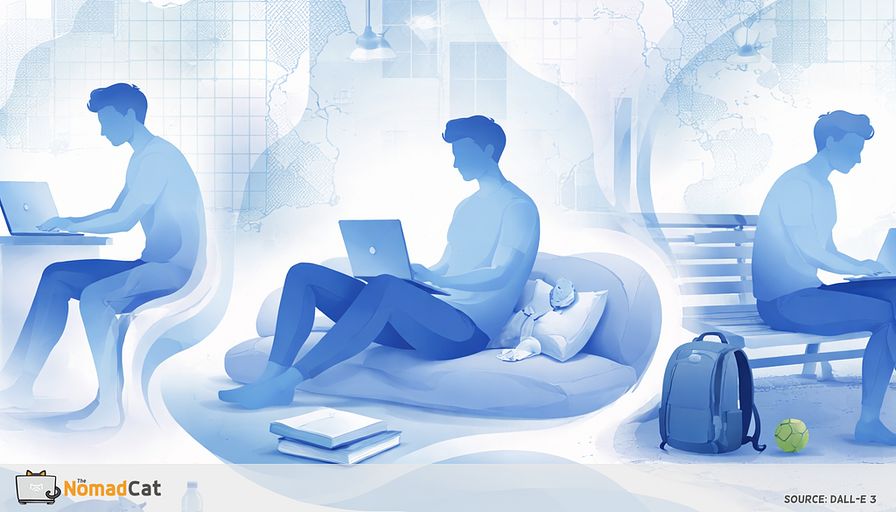
Items around the house make great posture aids. A rolled towel behind your back offers gentle support without locking you into a rigid shape. Tennis balls can roll under your feet to ease tension and remind you to change position. Yoga blocks or chunky books work well for propping your feet or lifting your seat.
That tennis ball can do double duty—easing tightness and making you notice it’s time to shift. Simple tricks like this help muscles stay calm and movement natural.
Yoga blocks or thick books can be footrests or help you adjust your seat, whether you’re in a kitchen chair or on the floor. Place a block under your feet to take weight off your legs and remind yourself to move now and then.
Minimalists improvise: a pillow, a stack of books, or even your backpack can be a helpful prop. These aren’t permanent solutions, just little hints to keep moving. The most effective toolkit is whatever’s nearby and keeps things light, often literally! Now let’s see how to combine these ideas into a toolkit for anywhere.
Minimalist posture toolkit
Portable tools for comfort
If you work on the go, a posture kit can be simple and portable. Easy-to-carry items fit into any backpack and work almost anywhere—hotel, kitchen, or coworking table. You can even improvise what you need onsite:
- Rolled-up towel for lower back or neck
- Small footrest or thick book to wiggle your legs
- Tennis ball for rolling under your feet or loosening muscles
- Gardening kneeling pad for a soft seat (my personal favorite)
- Yoga block or backpack as a footrest
These small things encourage movement wherever you land. You don’t need to create a perfect setup, just a few bits to help you change when you want.
Improvised supports
Even strange objects help. A foldable stand or a simple box can raise your laptop and reduce neck strain. Inflatable cushions or regular pillows work for back support or a quick seat booster. A backpack as a footrest or some books as a prop are perfectly fine. These solutions work just as well as expensive gear and suit the minimalist way.
Real-life posture variety
Apartments and public places are all fair game: floor sitting, leaning on a wall, or standing by the counter. No one is scoring your setup—just keep changing and don’t freeze in one pose. I’ve had days in Berlin where I started on a hard café chair, got frustrated, and ended up cross-legged on the floor with my laptop propped on a crate. The relief was instant, and I felt more in control of my comfort. There’s no perfection here—just variety and a bit of autonomy.
Key takeaways for minimalist posture:- Change positions often—every 30 minutes if you can.
- Use whatever is nearby: towels, books, pillows, even gardening pads.
- Don’t stress about “doing it right”—comfort and movement matter more.
- Listen to your body’s signals (even the small aches).
- Treat each new workspace as a chance to experiment.
Everyday posture variations
Switching positions to stay fresh
Alternating between spots in your day keeps muscles busy and helps avoid tiredness. You might start on a cushion, then stand a while, and later stretch out on the floor. Different muscles get a chance to wake up and do their part. Even brief breaks—like a squat or a stretch—can offer relief and keep you engaged.
Mixing in short stints and active sitting
Sitting against a wall or cross-legged for a bit is surprisingly comfy, and these quick switches can break up long dull spells. Active sitting, like using a ball or firm cushion, invites tiny movements, making it easier to stay alert and harder to slump. Just a few minutes of any change is great for comfort and to keep your mind sharp.
The benefits of active sitting
With active sitting, you pick surfaces and seats that nudge slight movement—an exercise ball or a firm cushion, for example. The gentle swaying prevents slumping and keeps you tuned in. Trying out different places and seeing which makes you move naturally is a good idea.
Keep exploring for long-term comfort
It’s simple: there’s no one perfect posture. Experiment a bit. Try ordinary objects, and change your setup often—these things lead to comfort and resilience. With a minimalist mindset, posture care becomes part of daily life. Next comes making these habits stick, so posture variety feels normal wherever your laptop lands.
Building posture habits
Analog cues and rituals
Pairing movement with routine makes posture changes easy. Physical reminders like a sticky note or tennis ball on your desk catch your eye and prompt you to move, stretch, or just shift around. Even a bright object or a favorite pen can give a tiny nudge when you get stuck in one spot.
For those who prefer less tech, these in-person reminders are handier than app alerts. A doodled sticky note or rolling a tennis ball under your feet is often better than another ping on your phone. These reminders blend in and help keep movement relaxed.
Another trick is habit stacking: stand up during calls, or stretch after a coding session. Tie posture changes to things you already do, so moving becomes second nature.
Timers or changes in music work too—a simple kitchen timer or swapping a playlist each hour can mean it’s time to move. All you need is a little signal, not a new piece of tech.
These tricks, they work everywhere—from my small Lisbon flat to a sunny park bench.
Adapting habits to any environment
You can’t always set up the perfect office, especially if space is tight or you’re in a crowded spot. What matters more is adaptability. You can switch between chairs, lean on a windowsill, or stand at the counter—every location gives you a chance to mix up your moves.
Improvising is handy, too. Raise your laptop with a stack of books or use a windowsill for a standing desk. These quick fixes make it easy to avoid getting stuck in one pose no matter where you work.
My physics background taught me the body adapts constantly and isn’t a fixed machine. When I first moved to Lisbon, I experimented with different objects—books, crates, even a suitcase as a laptop stand—to see what felt best. Sometimes it worked, sometimes it didn’t, but each try gave me feedback. Discomfort isn’t a failure; it’s just a message to try something else.
A slight shift of your chair or moving partway across the room can improve your comfort and focus. If you treat each new workspace as a test, you’ll develop resilience and creativity.
Minimalists can thrive by viewing each setup as a chance to try something new. Using whatever you have, you can support your body and create habits that stick—wherever you happen to work.
A dynamic mindset for resilience
Listening to the body and reframing discomfort
Building healthy posture starts by tuning into yourself. Notice tension or a dull ache before it grows. This awareness helps you shift gently and early, keeping comfort in the long run.
Instead of ignoring aches, I treat them as a nudge to move or try a new setup. For example, if my back starts to feel tight after an hour on a café stool, I’ll switch to standing by the window or even sit on the floor for a bit. These small adjustments, they add up over time.
Embracing ongoing experimentation
Just like minimalists often change up their tools, you can treat posture as a constant experiment. There’s no gold medal for perfect sitting. Instead, it’s better to focus on comfort and try new tweaks as your situation changes.
There isn’t a finish line. Over time, being adaptable removes stress about “getting it right” and lets you trust what your body says.
With this approach, you can feel confident to adapt and be comfortable anywhere. As your awareness grows, so does your sense of well-being in every space. Keep posture flexible and dynamic, and comfort becomes something you carry with you.
Letting go of stiff posture rules and moving more often has changed the way I work—whether I’m in a cramped Lisbon apartment, a Berlin coworking space, or outside on a park bench. These habits helped me avoid back pain during long coding sprints and kept me feeling free, not boxed in by corporate rules. You don’t need fancy gear or perfect arrangements. Every new workspace is a chance to try small shifts and see what works. Sometimes, the simplest adjustments—like grabbing a gardening pad or stacking a few books—make the biggest difference. And honestly, that’s the kind of freedom I was looking for all along.
You might be interested by these articles:


Make any space your office with a one-bag ergonomic setup

Minimalist ergonomic workspaces for better focus and comfort

Invisible ergonomics making healthy work habits stick anywhere

Small moves big impact for solo tech days

Your watch logged the workout but your shoulders still filed a bug report at 18:00

DEI's Impact on Future Workplaces

Transforming Mental Health with VR