Setting boundaries with your first indie client for a burnout-free freelance journey
Abstract:
The article emphasizes that landing your first independent client is a pivotal moment that shapes the long-term habits, relationships, and expectations of your freelance career, especially for minimalist tech professionals. It warns against the common urge to over-deliver, which can lead to unsustainable habits and eventual burnout, and instead advocates for a minimalist approach focused on clear boundaries, essential tasks, and streamlined processes. Practical strategies are offered, including using simple onboarding checklists, concise contracts, and sample scripts for setting limits and communicating effectively. The article includes unique touches, such as specific minimalist rituals (like time-blocking, bullet journaling, and microbreaks) and concrete examples of communication scripts, to help freelancers protect their energy and navigate challenges like scope creep or mismatched client fit. By mapping out a week-by-week onboarding roadmap and highlighting frequent pitfalls—such as skipping contracts or overcomplicating processes—the article guides new indie professionals in establishing rewarding client relationships, maintaining clarity, and preventing burnout from the very first engagement.
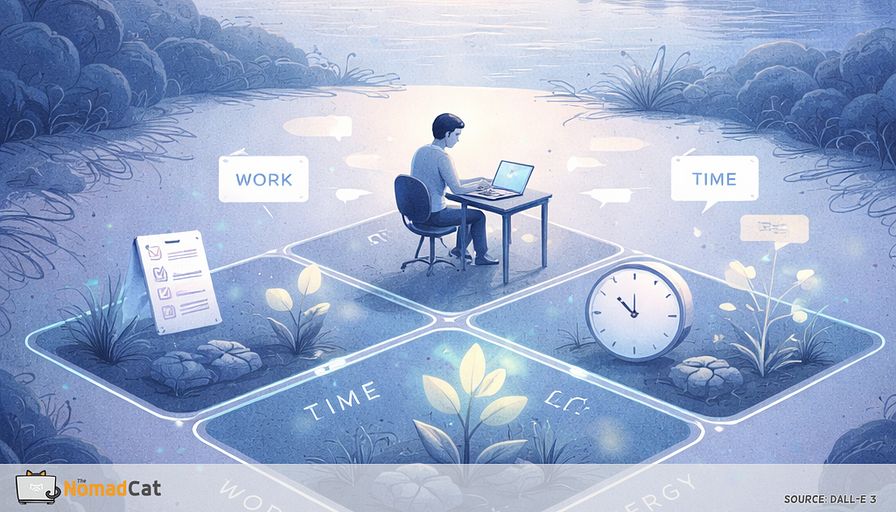
Landing my first indie client was a cocktail of excitement and nerves—like standing at the edge of a new garden, trowel in hand, not sure if the seeds will sprout. It was more than just a project; it was the start of new habits, relationships, and expectations that would shape my freelance path. That first client set the tone for how I communicate, set boundaries, and protect my energy. I’ll admit, I wanted to over-deliver in those early days to impress, but I quickly learned that this can turn into habits that are tough to undo.
In this article, I’ll share why your first client matters so much, and how to avoid common slip-ups—like taking on too much or letting boundaries blur. I’ll walk through my own onboarding rituals, offer scripts for tricky conversations, and show how I keep things minimalist (and sane) with checklists and simple tools. I’ll also talk about the emotional rollercoaster: the anxiety of leaving a stable CTO role in Berlin for the unknowns of freelance life in Lisbon, and the thrill of sending my first invoice from a tiny apartment with a view of the Tejo.
By the end, you’ll see how an intentional, minimalist approach can help you build rewarding client relationships—without burning out. Here’s how I set up my indie work for success from day one.
Why your first client matters
Setting the foundation
Landing that first indie client brought a rush of excitement—and, honestly, a bit of panic. For me, it wasn’t just about finishing a project. It was about building a reputation that would follow me, whether I was working from a noisy café in Guignes or a co-working space in Beijing. A good first impression spreads fast. Clients talk, and if you set the right tone, they come back or send others your way. Repeat business is gold for freelancers, and building trust early means more referrals and rehires.
I felt the urge to do too much at first—replying to messages at midnight, never saying no to last-minute asks. Coming from big companies, that felt normal. But always saying yes is a shortcut to burnout. I learned this the hard way: after a few weeks of “always on,” I was exhausted and my work suffered. Minimalism offered me a healthier path.
Facing the financial and emotional reality
Leaving a stable CTO role in Berlin for freelance life in Lisbon was terrifying. I remember staring at my bank account, calculating how many months of rent I could cover if no clients came. The anxiety was real—what if I failed? What if I couldn’t replace my old salary? But I also felt a strange excitement: the freedom to choose my projects, to work with clients I liked, and to set my own hours. That first client wasn’t just a paycheck; it was proof that this new life could work.
Setting trust and clear limits from the start protected my time and helped me build a reputation that attracted better clients. Expectations set early reduced confusion and made projects more manageable. I quickly realized that taking on too much was the biggest early mistake. So, I focused on boundaries and simplicity—less stress, better relationships.
Avoiding over-commitment and burnout
That first client made it hard to say no, even when my limits were stretched. I wanted to prove myself, but I learned that minimalism isn’t just about doing less—it’s about focusing on what matters for both me and my client. By sticking to essentials, I protected my energy and set a professional, sustainable tone.
A few minimalist principles I live by:
- Prioritize the most important tasks
- Set clear working hours and response times
- Use simple tools, like a one-page document for scope and deliverables
Now, let me show you how I put this into practice with a streamlined onboarding process.
Streamlining onboarding
My minimalist onboarding toolkit
In my experience, nothing beats a handwritten checklist for keeping onboarding sane. When I co-founded a cross-border e-commerce platform in Shanghai, I learned the hard way that endless forms and documents only create confusion. Now, my onboarding checklist is short and sweet:
- Client contact details
- Scope of work (one page, max)
- Signed contract or agreement
- Payment plan and method
- Access to needed resources or systems
This approach lowers the chance of mistakes and reassures clients right away. I use simple templates for contracts and kickoff calls, always tailored to my style. The basics—deliverables, timelines, and communication—are non-negotiable. For example, my contract might say, “Deliverable: One-page project summary, due in two weeks.” My kickoff agenda is just “Introductions, review scope, confirm communication plan.” No 10-page contracts if one will do.
I treat onboarding like tending a new garden—start with the essentials, remove the weeds, and let things grow naturally. There’s no point copying info across piles of forms or making clients fill out documents they’ll never need. Less paperwork means less confusion for everyone.
Communicating my indie status
Clients sometimes expect the speed and polish of a big agency. I make it clear early that I work solo, with both flexibility and limits. Setting this up avoids mixed expectations and builds mutual respect. I’ll say, “As an independent, I make decisions fast and communicate directly, but I keep my hours limited to do my best work.”
I highlight the upsides—shared docs, weekly updates, fewer meetings. Once expectations are set, I move on to setting up communication rules so everyone stays comfortable.
Setting communication boundaries
Defining my rules
Clear communication rules are key. I list my response time (usually 24–48 hours), my work hours and time zone, and the main way I’ll talk (email or chat). Here’s my usual checklist:
- Response time (24–48 hours)
- Working hours and time zone
- Main channel for messages (email or Slack)
I put these rules in writing from the start and go over them in the kickoff call. If boundaries ever slip, I can point back to what we agreed.
Scripts for holding boundaries
Saying no (without burning bridges)
Turning down a client request with my first indie client felt awkward. But I found that simple, polite phrases work best. I thank the client, state my reason, and suggest another path if I can. For example: “Thank you for your request. Right now, I’m at capacity and want to give my best work, so I can’t take on more.”
Other scripts I use:
- “I appreciate the request, but I can’t take this on right now.”
- “To deliver quality, I must say no to extra work at this time.”
- “Thanks for reaching out. My current projects mean I can’t accept new work now, but I can revisit this later.”
Mixing it up keeps things from sounding robotic. I also check in with myself about my habits, so I don’t fall into the “always on” trap.
Reviewing my habits
Every week, I take a few minutes to look at my routines—like a digital detox for my inbox. If I catch myself replying to emails at midnight, I know it’s time to reset.
Managing scope creep
Spotting and documenting changes
Scope creep sneaks in through casual asks or unclear directions. Early clues: frequent changes, new tasks without discussion, or confusion about goals. I use a one-page scope statement, a basic user story map, or the MoSCoW method to make what’s in and out of scope clear. If scope really must change, these tools help keep things smooth.
Renegotiating scope
If scope changes, I handle it early and in writing. I point to the original agreement, explain the need for change, and offer options—like moving tasks or changing timelines. Framing it as a shared goal keeps things positive: “To meet our main goals, let’s revisit our priorities or timeline.”
This keeps talks friendly and focused on results, not mistakes. It’s a solid way to build trust.
First-week rituals to build trust
Quick wins and feedback
Momentum comes from early results. Delivering something visible in the first week—a basic draft, prototype, or list of key points—shows progress quickly. My background in fundamental physics taught me to value early feedback cycles, much like running iterative experiments in the lab. These early “quick wins” could be a working demo, a roadmap, or clear requirements. Early deliverables build confidence without overloading my schedule.
Feedback keeps things moving. I send a short end-of-week email or doc update sharing what was done, what’s blocked, and what’s next. Keeping check-ins simple and consistent makes feedback easy and catches small issues before they grow.
Celebrating wins and protecting fit
I celebrate small wins with a quick thank you, a short recap, or a dashboard update. Keeping it light and real keeps clients positive. For example: “Thanks for your fast feedback—it helped us move forward.”
Sometimes, I see quickly that the client isn’t a great fit. If so, I deal with it directly but respectfully: “After our first week, it seems another consultant may be a better match. I’m happy to help you transition.”
I’ll never forget the first time I landed a client after moving to Lisbon. I sent my first invoice from a cramped apartment, the sun setting over the Tejo, and I felt a mix of relief, pride, and a little disbelief. That moment made all the anxiety of leaving Berlin worth it.
Mapping your first 30 days
My week-by-week plan
A clear plan makes the first month productive and less stressful. In week one, I get the basics done: discovery call, contract, and information I need to start. I set communication rules and list out deliverables. Getting to know the client’s goals early sets me up for a smoother project.
- Week two: Start deliverables, check in to confirm direction, and share early updates. Handle new requests right away to avoid confusion.
- Week three: Review first work with the client, gather feedback, and adjust plans or priorities if needed. Redo boundaries or rules if they were challenged.
- Week four: Hold a 30-day review to talk about client satisfaction, next steps, and anything unresolved. This makes the next move—continue, adjust, or end—a clear choice.
With this roadmap, the first month puts me and my client on solid ground.
Launch rituals and public announcements
When I started my indie journey, I marked “Day 1” with a small ritual: I brewed a strong coffee, took a walk in the Jardin du Luxembourg (okay, I was in Guignes, but I imagined Paris), and posted a short announcement on LinkedIn: “Excited to start my next chapter as an independent consultant. Open for projects in data, product, and growth!” It felt strange and a bit scary to go public, but it made everything real.
If you want to announce your launch, here’s a template I’ve used:
“Thrilled to share that I’m starting my journey as an independent tech consultant, working with clients across Europe and Asia. If you need help with product strategy, data, or growth, let’s connect!”
A small ritual or public note can help you own the transition—and invite your network to support you.
Mistakes to avoid
Common pitfalls
Skipping contracts or not writing down the scope brings trouble. Without a clear agreement, you can run into missed payments, endless edits, or even arguments. Always use a clear contract and get the project scope in writing. This step protects both sides and saves stress later. Communication and payment terms matter, so always put them in the deal, even for small gigs.
Too many documents or platforms overwhelm and slow things down. Keeping onboarding simple—like using one-page summaries—keeps clients happy.
Staying in control with minimalist rituals
Simple habits like time-blocking, bullet journaling, or scheduled device breaks make life easier. When I moved from Berlin to Lisbon, I relied on bullet journaling to keep my head above water. Blocking a few hours for deep work, jotting quick notes in a journal, or turning off devices at a set hour helps me avoid burnout. These steps are a barrier for my energy and time. Mindfulness and short breaks bring balance, too.
Taking microbreaks or a mindful pause—even just a walk outside or time away from screens—can reset your focus and help keep burnout away, especially if you’re coming from a high-pressure tech background.
Getting your first indie client is more than just reaching a goal. It shapes the habits and relationships for your freelance work. Approaching this moment thoughtfully lays the base for healthy boundaries, clear communication, and good partnerships. Minimalism helps avoid burnout, keeps projects on track, and ensures everyone knows what’s expected. Streamlined onboarding, straightforward agreements, and honest communication all add up to long-term success. Looking after your energy and setting limits is not just professional—it’s needed for thriving as an indie.
You might be interested by these articles:


Minimalist weekly planning for a balanced independent work life

How your workspace shapes your indie journey

How I built an indie work life that fits real life

Start small for indie tech success

Minimalist launch rituals for a smoother start in tech freelancing

Buffer months made simple for tech freelancers

Batching content the minimalist way for tech pros