How psychology shapes fair pricing for tech freelancers
Abstract:
The article explores how independent tech freelancers can use psychological principles—such as anchoring, contrast effects, social proof, and framing—to make pricing discussions more effective, transparent, and mutually beneficial. It emphasizes that pricing is influenced by subtle cognitive biases and the way options are presented, rather than just numbers, and explains how clear, tiered packages and result-focused framing can make offers more relatable and valuable for clients. The article provides practical negotiation templates tailored to various European business cultures, highlighting key differences—like the preference for round numbers in Scandinavia and Germany, relationship-based talks in Southern Europe, and the importance of transparency in France. Real-world anecdotes and survey data show that strategies like premium support and bundled packages lead to higher fees and better client relationships, but also caution that these tactics must be used honestly to avoid backlash or legal trouble, especially in strict regulatory environments. Throughout, the article stresses the importance of ethical, open communication, adapting strategies to local expectations, and building trust as the true foundation of successful pricing—turning negotiations into partnerships rather than battles.
Pricing tech services is rarely just about numbers. Many unseen influences shape the way clients think, decide, and negotiate, often without anyone noticing. Choosing between value-based, hourly, or project-based pricing is often the first hurdle for tech freelancers. I remember, early in my freelance journey, staring at my own messy spreadsheet, wondering if I should charge by the hour or try to convince a client that my work was worth a flat fee. From the first price a client sees to the way packages are shown, subtle psychological effects can change the outcome of any negotiation. Knowing about these effects isn't just interesting. For independent tech workers, it can help explain your value, make tough conversations easier, and possibly increase your income.
This article explains how ideas like anchoring, contrast effects, and social proof affect pricing talks. It covers why offering clear packages works, how the way you present options can change how people feel about them, and why even simple tweaks like round numbers or mentioning limited spots can matter. There's also a look at the ethical part — how to use these tactics openly without crossing into manipulation. Sometimes, I am thinking it is better to keep things simple, especially when clients are not so used to complicated offers.
You'll find useful templates for negotiations, adjusted for the quirks of various European business styles — whether the data-loving approach in Germany or the focus on relationships in Southern Europe. By the end, you'll have a set of strategies to make pricing talks smoother and more honest, with trust at the center.
Cognitive biases in pricing
The hidden forces in pricing decisions
Picture a client scrolling your proposal and pausing at the first price. Whatever that number is, it sets a mental benchmark for every option that comes next. This is anchoring. The first figure colors the rest of the negotiation. Whoever names the first number often gains a small but real advantage. But that's just one bias. Others can gently guide clients towards the options you prefer.
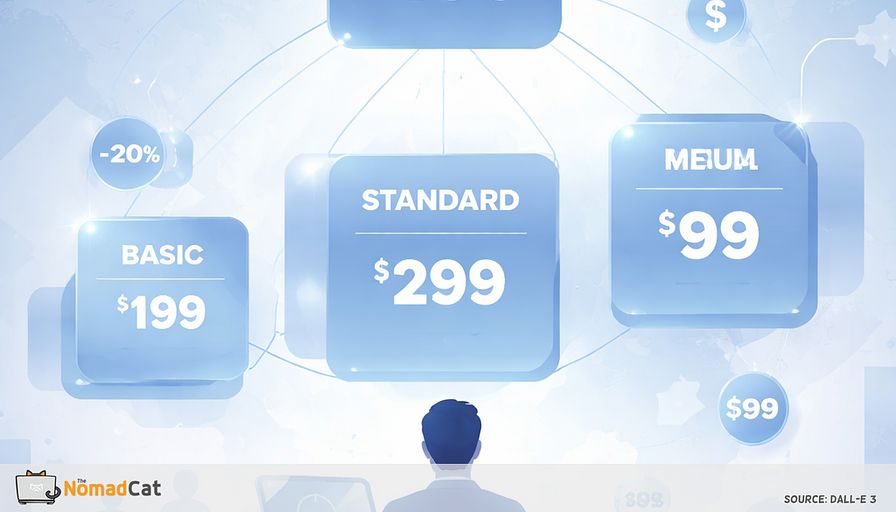
Offering three packages — basic, standard, and premium — can really shift the balance. Suddenly, the middle offer seems the safest, thanks to the contrast effect and decoy pricing. By arranging choices carefully, you can steer clients towards the choice that fits them and also matches your own business goals. But it's not only about comparison; how you talk about your offer changes the mood, too.
For example, if you explain that a service helps avoid expensive downtime or saves a lot of money over a year, you're using the framing effect. Highlighting value or potential savings makes a bigger fee feel less like a hit and more like a smart move. Mentioning that others have chosen the offer or that spots are limited can sway decisions even more.
Telling clients most people pick the standard package or that only two project slots are left this quarter is using social proof and scarcity. It hints at demand and makes the offer seem even more valuable. These biases only help if you understand their real impact on freelancers.
Why psychological pricing matters for tech freelancers
Selling tech services isn't like selling physical items. Clients get solutions and know-how, not things. These can feel a bit abstract, making it harder to justify the cost. Using psychological effects helps make offers more relatable and the value clearer. This also gives freelancers more confidence in pricing conversations.
As someone who left corporate teams for freelance life, I know how nerve-wracking it can be to discuss money without a safety net. There were days in Berlin when I felt my stomach twist before sending a proposal, wondering if I’d priced myself out of the deal — or worse, left money on the table. Knowing how biases work takes away some of the nerves. Talks about money feel less tense because you've got real tools to lean on. Using these effects can also help raise rates and make your income steadier, especially if you work with people from different cultures.
Adapting strategies to each country’s business style often means better rates and more predictable work. So, how can you use these ideas for your next pitch?
Practical pricing tactics for tech freelancers
Anchoring and tiered options
Picture a client seeing your premium support package first in your proposal. That high-value anchor makes your standard service look like a better deal. Even if they don't pick the top option, the standard offer feels fair in comparison. Anchoring shifts negotiations if you use it well.
But it’s not just the anchor; the structure of options matters. Offering two or three simple choices, like:
- Basic
- Standard
- Premium
uses both the contrast effect and decoy pricing. People often choose the middle or top offer, feeling more in control when options are clear.
Being upfront is key to making this approach last. Anchoring works best when every package spells out what's included, with no surprise costs. This builds trust and fits well with a simple, honest business mindset.
Framing and communicating value
How you present the offer is as important as the price. Instead of listing an hourly rate, consider sharing what the client gets — like “more qualified leads” or “less downtime.” For example, instead of “€50 per hour,” saying “€2,400 for a project that brings in 30 percent more leads” shifts focus to results, not just costs.
Breaking bigger prices into smaller ones can also help. Framing a fee as “less than €3 per day” or “€150 per report” makes large projects seem easier to afford. This sort of small-unit framing helps clients see the benefit clearly, without being hung up on the total number.
Bundling makes packages feel like a better deal. For example, you might offer:
- Website audit
- Monthly report
- Priority support
When services are bundled, clients feel they’re getting more, making it easier to say yes to larger packages.
Charm pricing, social proof, and scarcity
Charm pricing — using €99 instead of €100 — can raise conversion rates, especially where odd pricing feels normal. But in places like Scandinavia or Germany, round numbers are seen as more straightforward and honest.
Social proof can make offers safer. Testimonials, case studies, or noting that “most clients pick the standard package” all comfort new customers. These signals show you’re trusted, which makes the decision easier.
Genuine scarcity helps too. Mentioning limited spots or a busy calendar, if it’s true, signals demand and adds a nudge of urgency. For example, “only two spots open this quarter.” But don't fake scarcity; people spot insincerity quickly.
The main point: use all these tactics honestly. Real trust is more valuable than any psychological trick.
Staying ethical and authentic with psychological pricing
Clear pricing and minimalist values
Open, simple pricing — with every part listed plainly — builds trust fast. Minimalist styles use round numbers and cut back on extras, making services easy to grasp. Instead of complicated tables or special discounts, just show what's included and at what price. This keeps things honest and matches a business approach built on authenticity.
It's not only about being clear. It's also about not letting anything misleading slip in. Simple pricing stands apart from messy, layered schemes or sneaky discounts. With honest, understandable rates, clients trust your work and often refer you to others.
During my years managing a team in Berlin, I learned that being upfront about every cost, even if it meant losing a deal, always paid off in long-term trust. I still remember a tense meeting in a noisy Kreuzberg café, where I explained every line of a proposal to a skeptical client. He didn’t sign that day, but a year later, he came back — and brought two friends with him.
Avoiding manipulative tactics
Being upfront pays off later. Dodging sneaky tricks — like surprise fees, made-up scarcity, or fake “limited time” offers — keeps psychological pricing helpful, not hurtful. Quick wins from tricks often mean long-term headaches. Reputation is everything.
Honest pricing brings clients back. They like seeing every cost with no surprises. Over time, this leads to repeat business and good reviews, which every solo worker depends on for stability.
Building trust through transparency
Ethical guidelines are there for a reason. Transparent, value-focused pricing attracts loyal clients and recommendations, which are the backbone of freelancing. When clients know their costs and benefits, they're more likely to spread the word. Being open about both pricing and what’s included sets up solid, enduring partnerships.
Guardrails for ethical pricing
Professional standards for responsible pricing
Open, two-way communication is a must for fair pricing. Professional groups agree psychological pricing is only fair when it’s not sneaky, gives clients choice, and is fully upfront. This means no hidden motives or complex fine print. Sticking to these ideas earns you respect on the market.
Besides listing honest prices, it’s key to welcome conversation about your fees. Freelancers can explain why things cost what they do, answer questions, and invite discussion. This makes clients feel their needs matter, not just their money.
Linking your fees to your own business values takes the edge off tough talks. Sharing why each price is set the way it is, asking for input, or walking through the options together makes things feel more like a partnership than a battle.
When your approach reflects what you stand for, pricing talks feel less tense. Connecting your process to values like calm, honesty, and respect often takes the stress out of negotiation for both sides. Over years spent with teams in Europe and Asia, transparency and clarity became central to every pricing discussion. Next, let's see how these ideas shift across Europe.
Adapting pricing strategies for European cultures
Regional preferences for pricing and negotiation
Europe's business habits aren't all the same, and pricing tactics should fit each place’s expectations.
In Germany and the Netherlands, people want clear, logical talks and formal price lists. Odd numbers like €99 can make people skeptical. Here, plain, easy-to-understand prices are the safe bet.
In Southern Europe, there’s a bigger focus on personal relationships. Clients like:
- Chatting informally before talking deals
- The chance to bargain or adjust plans
- Seeing real interest in their work
When I moved from Berlin to Lisbon, I noticed how clients in Portugal responded better to open conversations about pricing, compared to the more formal approach in Germany. In Lisbon, I once spent an hour just talking about football and coffee before we even touched the numbers. To fit in, flexible offers and personal connections matter more. Anchoring high and showing willingness to adapt your package suits places like Italy or Spain.
Let’s talk about the Nordics next, where keeping things bare-bones is the norm. Nordic countries — Sweden, Denmark, Finland — prefer round pricing and plain talk. Complicated or odd prices look shady. Offering something at €1,000 beats €999 every time. The clear lesson: tidy, round numbers win in the North.
France values reputation and sincerity. People want fair, clearly explained prices, and any sense of trickery can haunt your reputation. Even a small slip-up can last a long time, so clarity is everything there.
The UK is generally more comfortable with charm pricing, like those .99 endings, especially in online services. While France and the Nordics want plain numbers, UK clients might even expect the small-odd dilemma. Adapting to these local rules pays off.
Legal and reputational risks in European pricing
Compliance and protecting your reputation
All over Europe, legal rules set strict edges for pricing tactics. EU and national laws say pricing must be clear and honest, with countries like Germany cracking down hard on tricky price setups. All fees must be clear, with nothing hidden. France brings its own twists.
In France, just the suggestion of pricing games can lead to public complaints and a hurt reputation. Protecting your good name there requires being doubly transparent and straightforward. The best route for freelancers is to blend legal compliance with what’s expected locally.
Matching legal needs and business culture helps avoid issues and keeps your reputation strong. When in doubt, be more open, study local habits, and keep communication honest.
Proposal scripts and playbook for confident negotiations
Proposal scripts
Good framing helps clients see value. For anchoring, one might say: “Our full-package solution starts at €12,000 per year. Given your goals, I suggest the standard package at €8,500.” This starts high, then offers a more reasonable option.
Decoy pricing can encourage commitment. For example: “By choosing our annual plan, you save 15 percent over paying monthly.” This spotlights savings and makes the annual plan feel smart.
Add social proof too: “We offer basic (€6,000), standard (€8,500), and premium (€12,000) packages. Most clients go for the standard.” Showing the popular choice gently steers clients toward it.
Tailoring proof by region helps. For instance: “Most clients in Germany select the standard package for its balance of features and cost.” Seeing their peers make the same choice reassures clients and helps them decide.
Step-by-step playbook for stress-free pricing
A simple checklist for ethical psychological pricing:
1. Check current market rates and what clients want.
2. Make a clear list of the value you bring.
3. Build simple, tiered package options.
4. Use anchoring, charm pricing, and value framing openly.
5. Spell out what’s included at each price.
6. Answer questions and encourage openness.
7. Skip any misleading or unethical tricks.
This to-do list keeps things simple, honest, and manageable — helping lessen stress during talks.
Open discussions matter. Using clear, rounded numbers and a single reasonable rate can cut negotiation stress, especially where people prefer simplicity. It puts clients at ease and helps both sides.
With these tactics, honest back-and-forth and flexibility show confidence and strengthen trust, turning negotiations from struggles into true partnerships.
Real-world results and common mistakes
Outcomes from tech freelancers
Offering premium support or three-package choices often means happier clients and higher project fees for freelancers. For example, providing basic, standard, and premium bundles lets clients pick what fits, cutting indecision. In my previous role leading a multicultural team in Beijing, we found that offering three clear packages increased client acceptance rates by 20%. Surveys support the idea that this tactic brings higher pay and better relationships.
Breaking down prices builds trust, too. Showing a project as “less than €3 per day” instead of one big bill helps more clients say yes. This approach usually lowers objections and gets more deals, especially for digital services.
Anchoring with high starting points and giving decoy choices doesn’t just sound smart. Freelancers on major online platforms see better agreements using these tricks, even if clients bargain at first. But, care matters. These tools can backfire if they aren’t matched to the right clients.
I still remember the first time a client accepted my standard package without haggling — it felt like a small victory for both my wallet and my confidence. That moment, sitting in a Lisbon coworking space with the sun coming through the window, made all the awkward conversations before feel worth it.
Common pitfalls and how to avoid them
In Scandinavia, using prices like €99 instead of €100 feels off and may cause suspicion. Round numbers are trusted, so match the style to the culture.
German law is strict: all fees must be open and justified, with clear rules on how prices are shown. Being less than totally transparent there can cause real legal headaches.
France can be sensitive. Any whiff of pricing games may spark negative reactions and long-term damage to your image. Clarity is a must.
The smarter plan is to research, work on relationships, and put honesty first. By adapting to local styles, talking openly, and aiming for long-term connections, you build a business that lasts.
Using the psychology behind pricing helps take the sting out of tough negotiations for tech freelancers. By understanding things like anchoring, contrast, and framing, you can put together offers that are both clear and convincing — as long as honesty runs through it all. Adapting for each culture, using scripts, and sticking to simple steps all help make pricing talks feel less overwhelming. The main win isn’t higher pay, but stronger trust, lasting relationships, and a solid reputation. Ethical pricing is really just fair conversation and respect for every client’s situation. If you focused your proposals on clarity, open talk, and matching the local style, how might your business grow? Maybe it is time to rethink how you use psychology in your pricing — and treat every negotiation as a real partnership.
You might be interested by these articles:


Collaborative pricing made simple for freelancers and clients

Freelancer pricing experiments for steady growth and less stress

The hidden power of digital first impressions on freelance rates

Hybrid pricing for tech freelancers finding balance beyond hourly rates

anchoring for better tech freelancing deals

Empowering Tech Ventures Through Support Hubs

Cost-Effective Network Security for European Startups